
In today’s fast-paced business landscape, efficiency is crucial for success. One effective way to enhance operational efficiency is through off-the-shelf software solutions. These ready-made applications are designed to meet a wide range of business needs without the extensive customization that custom software often requires. In this article, we will explore top real-world examples of off-the-shelf software for business efficiency, highlighting how various industries leverage these tools to streamline operations and boost productivity.
What Is Off-the-Shelf Software?
Off-the-shelf software refers to pre-packaged applications that are readily available for purchase and use. Unlike custom software, which is tailored specifically for a business’s unique requirements, off-the-shelf solutions are designed for general use. As a result, they can be implemented quickly and often come at a lower cost. These solutions cover a variety of functions, including project management, customer relationship management (CRM), accounting, and more.
Benefits of Using Off-the-Shelf Software
There are several advantages to integrating off-the-shelf software into your business operations. Here are some key benefits:
- Cost-Effective: Off-the-shelf software typically has a lower upfront cost compared to custom solutions, making it accessible for businesses of all sizes.
- Quick Deployment: These solutions can be implemented rapidly, allowing businesses to start benefiting from them almost immediately.
- Regular Updates: Many off-the-shelf applications receive regular updates, ensuring that users have access to the latest features and security enhancements.
- Community Support: Popular off-the-shelf solutions often have large user communities, providing forums and resources for troubleshooting and advice.
Top Real-World Examples of Off-the-Shelf Software
To illustrate the effectiveness of off-the-shelf software, let’s explore some real-world examples across various industries:
1. Microsoft Office
Microsoft Office is a prime example of off-the-shelf software that has become a staple in many businesses. It offers essential tools such as Word, Excel, and PowerPoint, which enhance productivity and facilitate effective communication. Companies across all sectors utilize Microsoft Office for document creation, data analysis, and presentations.
For useful background on this topic, see Understanding Off-the-Shelf Software: Key Benefits and Use Cases.
2. QuickBooks
For small to medium-sized businesses, QuickBooks provides an excellent accounting solution. It simplifies bookkeeping, invoicing, and payroll processing. Additionally, QuickBooks offers integrations with various payment processors and banking institutions, making it a comprehensive financial management tool.
3. Salesforce
Salesforce is a leading CRM platform that helps businesses manage customer relationships effectively. It offers tools for sales tracking, customer service, and marketing automation. As a result, companies can enhance customer engagement and streamline their sales processes.
4. Shopify
For e-commerce businesses, Shopify serves as a robust platform for creating and managing online stores. It provides features such as product management, payment processing, and shipping integrations. Shopify empowers businesses to launch and scale their e-commerce operations with ease.
5. Slack
In the realm of team communication, Slack has revolutionized how teams collaborate. This messaging platform enables real-time communication, file sharing, and integration with various productivity tools. Many organizations use Slack to enhance team collaboration and maintain efficient workflows.
6. Trello
Trello is a popular project management tool that utilizes a visual board system to help teams organize tasks and projects. Its user-friendly interface allows teams to track progress, assign tasks, and collaborate seamlessly. Many businesses leverage Trello for project planning and execution.
7. Zoom
With the rise of remote work, Zoom has become an essential tool for virtual meetings and webinars. Its features include video conferencing, screen sharing, and recording capabilities. Organizations use Zoom to facilitate communication and collaboration, regardless of location.
These examples demonstrate how off-the-shelf software can significantly enhance business efficiency. By leveraging these solutions, organizations can focus on their core operations while benefiting from the features and capabilities these applications provide.
Considerations When Choosing Off-the-Shelf Software
While off-the-shelf software offers numerous benefits, it’s essential to consider several factors before making a selection:
- Compatibility: Ensure that the software integrates well with your existing systems and tools.
- Scalability: Choose software that can grow with your business needs, accommodating future expansion.
- Customer Support: Evaluate the level of support provided by the vendor, as this can be crucial for troubleshooting and assistance.
- Customization Options: While off-the-shelf solutions are generally less customizable, check if the software allows for any modifications to better suit your workflows.
Related XoBytes Products

Agentic Construction Theme | More than just a theme | Built for all trades
$49.99
Why You Need This Theme And Plugin! Click here for the Demo Agentic Construction Theme by XoBytes is…

Agentic Consultant, Product Rep, & Customer Service Agent By XoBytes.com
$19.99
Agentic Consultant for WordPress gives your website a smart AI product rep, customer service agent, and hands-free voice…
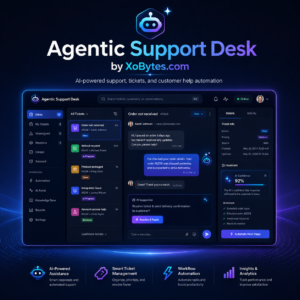
Agentic Support Desk for WordPress by XoBytes.com
$19.99
Agentic Support Desk by Xobytes is an AI-powered WordPress support desk built for software sellers, WooCommerce stores, agencies,…

Agent Shield by XoBytes | Protect against agentic software
$25.00
AgentShield is a WordPress AI Agent Firewall that helps detect, monitor, block, and temporarily ban AI crawlers, AI…
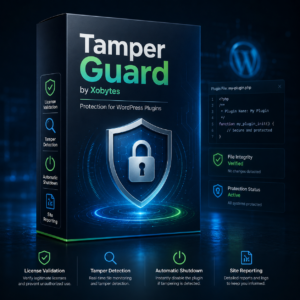
Tamper Guard by XoBytes | WordPress Plugin Tamper Detector
$25.00
Protect your commercial WordPress plugins with license-based tamper detection, file integrity monitoring, automatic shutdown protection, and site reporting.…

Plugin Update Server for WordPress by XoBytes.com
$25.00
Plugin Update Server by XoBytes lets WordPress plugin sellers deliver private plugin updates directly to customer dashboards. Upload…
Product 1 of 6
To learn more about how off-the-shelf software compares to custom solutions, check out our article on How Custom Made Software Differs from Off-the-Shelf Solutions.
Implementation Steps for Off-the-Shelf Software
Implementing off-the-shelf software can be a straightforward process, but it requires careful planning to ensure a smooth transition. Here are some key steps to guide you through the implementation:
- Define Your Requirements: Before selecting software, identify your business needs and the specific problems you aim to solve. This clarity will help you choose the right solution.
- Research Options: Explore various off-the-shelf software solutions that meet your criteria. Consider factors such as features, user reviews, and pricing.
- Request Demos: Many software vendors offer free trials or demos. Utilize these opportunities to assess the software’s usability and features in a real-world context.
- Evaluate Compatibility: Ensure that the software integrates seamlessly with your existing systems. Compatibility is crucial for maintaining operational efficiency.
- Plan for Training: Prepare a training plan for your team to ensure they are comfortable using the new software. This can include workshops, online tutorials, or vendor-provided training sessions.
- Monitor and Optimize: After implementation, continuously monitor the software’s performance and gather feedback from users. Make adjustments as necessary to optimize its use.
Comparing Off-the-Shelf Software Solutions
When evaluating different off-the-shelf software options, it’s essential to compare their features, costs, and support. Here’s a breakdown of key factors to consider:
- Functionality: Assess the core functionalities of each software. Does it meet your specific business needs?
- Pricing Structure: Understand the pricing model—whether it’s a one-time purchase, subscription-based, or tiered pricing. Consider long-term costs.
- User Experience: Evaluate the user interface and ease of use. A more intuitive design can lead to faster adoption by your team.
- Integration Capabilities: Check how well the software integrates with other tools you currently use. This can save time and reduce complications.
- Customer Support: Investigate the level of customer support offered. Is it readily available, and do they provide comprehensive resources?
Real-World Case Study: Company Success with Off-the-Shelf Software
To illustrate the impact of off-the-shelf software, consider the case of a mid-sized marketing firm that adopted Trello for project management.
Continue with Custom Build Software vs Off-the-Shelf: Which Solution Fits Your Business Best? for additional XoBytes guidance.
The firm struggled with managing multiple client projects and ensuring timely delivery. After implementing Trello, they experienced the following benefits:
- Improved Collaboration: Team members were able to see project statuses in real-time, leading to better communication and fewer missed deadlines.
- Increased Accountability: Task assignments were clear, allowing team members to take ownership of their responsibilities.
- Enhanced Flexibility: The visual board system allowed the team to adapt to changes quickly, accommodating client requests without disrupting workflows.
This case highlights how off-the-shelf software can transform operations, leading to increased efficiency and client satisfaction.
Future Trends in Off-the-Shelf Software
As technology continues to evolve, off-the-shelf software solutions are also adapting to meet the changing needs of businesses. Here are some trends to watch:
- AI Integration: More off-the-shelf software is incorporating artificial intelligence to automate tasks, provide insights, and enhance user experiences.
- Cloud-Based Solutions: The shift towards cloud computing allows for more flexible access to software, enabling remote work and collaboration.
- Customization Options: Vendors are increasingly offering modular features that allow businesses to tailor functionalities without losing the benefits of off-the-shelf solutions.
Staying informed about these trends can help businesses leverage off-the-shelf software effectively and remain competitive in their industries.
Frequently Asked Questions
Below are some common questions about off-the-shelf software and their answers:
What are some common examples of off-the-shelf software?
Common examples include Microsoft Office, QuickBooks, Salesforce, Shopify, and Slack, which are widely used across different business sectors.
How do off-the-shelf software solutions benefit small businesses?
They offer quick deployment, lower initial costs, and ease of use, enabling small businesses to improve productivity without extensive customization.
Can off-the-shelf software be customized for specific business needs?
While generally designed for broad use, many off-the-shelf solutions offer limited customization options to better fit specific workflows.
In conclusion, off-the-shelf software provides a practical solution for businesses seeking to enhance efficiency and productivity. By choosing the right tools, organizations can streamline their operations and achieve their goals effectively.