
In today’s fast-paced business world, choosing the right software solution is crucial for success. Many organizations face the dilemma of selecting between off-the-shelf software and custom solutions. Each option has its own set of advantages and limitations, making it essential to evaluate key factors before making a decision. This article will provide a comprehensive comparison to help you understand which solution is best for your business needs.
Before diving into the details, it’s worth noting that both off-the-shelf software and custom solutions serve the same purpose: to streamline operations and improve efficiency. However, the way they achieve these goals can vary significantly.
Understanding Off-the-Shelf Software
Off-the-shelf software refers to ready-made applications designed to meet the general needs of various businesses. These solutions are typically developed for widespread use and can be purchased and deployed quickly. Common examples include popular software like Microsoft Office, Adobe Creative Suite, and various enterprise resource planning (ERP) systems.
Moreover, off-the-shelf software usually comes with a lower initial investment compared to custom solutions. Because of this, businesses can start using the software immediately without incurring extensive development costs. However, it’s important to consider the limitations as well.
For useful background on this topic, see Choosing Between Off-the-Shelf and Custom Chatbots.
Pros of Off-the-Shelf Software
- Quick Deployment: Off-the-shelf solutions can be installed and used almost immediately.
- Lower Costs: They typically have lower upfront costs and don’t require extensive customization.
- Proven Reliability: These solutions are often tested and used by many businesses, ensuring reliability.
Cons of Off-the-Shelf Software
- Limited Customization: Users may find that the software does not fully meet their specific needs.
- Ongoing Licensing Fees: Many off-the-shelf solutions require monthly or annual subscriptions.
- Potential Compatibility Issues: Off-the-shelf solutions may not integrate well with existing systems.
What Are Custom Solutions?
Custom software solutions, on the other hand, are developed specifically for a business’s unique needs. These solutions are tailored to fit the exact requirements of an organization, which can lead to improved efficiency and effectiveness.
However, developing custom software usually involves a higher upfront investment. It also requires a longer timeline for deployment, as the software must be built from the ground up. Therefore, businesses must weigh the potential long-term benefits against the initial costs.
Pros of Custom Solutions
- Tailored Fit: Custom software can be designed to meet the exact needs of the business.
- Scalability: These solutions can grow and evolve as the business changes.
- Better Integration: Custom software can be designed to work seamlessly with existing systems.
Cons of Custom Solutions
- Higher Initial Costs: The development process can be expensive and time-consuming.
- Longer Deployment Time: Custom solutions typically take longer to develop and implement.
- Maintenance Responsibility: Businesses are responsible for ongoing support and updates.
Key Factors to Consider
When choosing between off-the-shelf software and custom solutions, several key factors should guide your decision:
- Business Needs: Assess your organization’s specific needs. If off-the-shelf solutions can meet those needs effectively, they may be the better choice.
- Budget: Consider both initial costs and long-term expenses. Custom solutions may offer better value over time, but the upfront investment is crucial.
- Timeline: Evaluate how quickly you need the solution. Off-the-shelf software can be deployed immediately, while custom solutions take longer.
- Future Growth: Think about how your business may grow. Custom solutions can scale more easily than off-the-shelf options.
- Integration: Determine how well the software will integrate with your existing systems. Custom solutions can be designed for seamless compatibility.
Making the Decision
Ultimately, the choice between off-the-shelf software and custom solutions depends on your business’s unique circumstances. If you’re looking for a quick and cost-effective solution, off-the-shelf software might be the way to go. However, if your organization has specific requirements that off-the-shelf options cannot fulfill, investing in custom software may be the best path forward.
To aid in your decision-making, consider exploring our article on How Custom Made Software Differs from Off-the-Shelf Solutions. This resource provides valuable insights into the differences and benefits of each option.
Related XoBytes Products
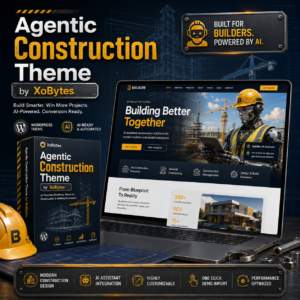
Agentic Construction Theme | More than just a theme | Built for all trades
$49.99
Why You Need This Theme And Plugin! Click here for the Demo Agentic Construction Theme by XoBytes is…

Agentic Consultant, Product Rep, & Customer Service Agent By XoBytes.com
$19.99
Agentic Consultant for WordPress gives your website a smart AI product rep, customer service agent, and hands-free voice…
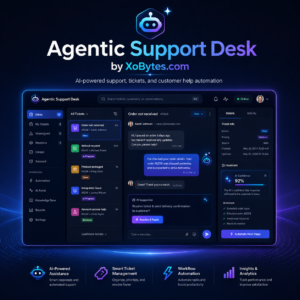
Agentic Support Desk for WordPress by XoBytes.com
$19.99
Agentic Support Desk by Xobytes is an AI-powered WordPress support desk built for software sellers, WooCommerce stores, agencies,…
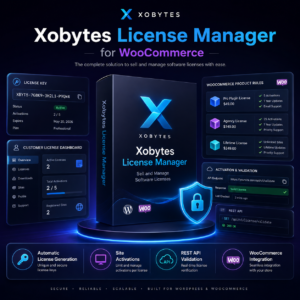
License manager for WooCommerce by XoBytes.com
$25.00
Xobytes License Manager for WooCommerce is a powerful WooCommerce license manager plugin that lets you sell software licenses,…
Social Media Autopilot With AI by XoBytes.com
$19.99
Xobytes Social Autopilot is a WordPress social media autoposter that helps schedule and promote posts, pages, WooCommerce products,…
Product 1 of 6
Implementation Steps for Off-the-Shelf Software
When opting for off-the-shelf software, following a structured implementation process can ensure a smooth transition and maximize the benefits of the solution. Here are key steps to consider:
- Identify Requirements: Clearly define the specific needs of your business that the software must address.
- Research Options: Explore various off-the-shelf solutions that meet your criteria. Consider user reviews, case studies, and demos.
- Trial Period: Take advantage of trial periods or demos to evaluate the software in real-world scenarios.
- Plan Deployment: Create a detailed plan for deploying the software, including timelines and responsibilities.
- Train Employees: Provide training sessions for staff to ensure they are comfortable using the new software.
- Monitor Performance: After implementation, continuously monitor the software’s performance and gather feedback for potential adjustments.
Implementation Steps for Custom Solutions
Implementing a custom software solution requires careful planning and execution. Here are the essential steps to follow:
- Define Objectives: Clearly outline the goals and objectives of the custom software project.
- Engage Stakeholders: Involve key stakeholders from different departments to gather insights and ensure the software meets diverse needs.
- Select a Development Team: Choose a reputable software development team with experience in building similar solutions.
- Develop a Prototype: Create a prototype to visualize the software and gather feedback before full-scale development.
- Iterative Development: Use an agile approach to develop the software in iterations, allowing for adjustments based on feedback.
- Testing: Conduct thorough testing to identify and resolve any issues before the final launch.
- Launch and Support: After deployment, provide ongoing support and updates to ensure the software remains effective and relevant.
Comparative Analysis: Long-Term Value of Off-the-Shelf vs. Custom Solutions
When evaluating the long-term value of off-the-shelf software versus custom solutions, consider the following factors:
- Adaptability: Custom solutions can adapt to changing business needs over time, whereas off-the-shelf software may require periodic updates or replacements.
- Cost of Ownership: While off-the-shelf software may have lower initial costs, consider the total cost of ownership, including licensing fees and potential upgrade costs.
- Return on Investment (ROI): Analyze how each option contributes to your business’s efficiency and productivity, and calculate the expected ROI over a defined period.
Case Studies: Successful Implementations
Examining real-world examples can provide insights into how businesses have successfully navigated the decision between off-the-shelf software and custom solutions.
Continue with Custom Build Software vs Off-the-Shelf: Which Solution Fits Your Business Best? for additional XoBytes guidance.
Case Study 1: A Retail Chain’s Choice
A national retail chain opted for an off-the-shelf inventory management system. The decision was based on their immediate need to streamline operations across multiple locations. The software provided quick deployment and integration with existing point-of-sale systems, resulting in a 30% reduction in inventory discrepancies within the first year.
Case Study 2: A Healthcare Provider’s Custom Solution
A healthcare provider faced unique regulatory requirements and patient management challenges that off-the-shelf solutions could not adequately address. They invested in a custom software solution that integrated patient records, scheduling, and billing. This tailored approach improved patient care efficiency and compliance, leading to a 40% increase in patient satisfaction ratings.
Future Trends in Software Solutions
As technology continues to evolve, businesses must stay informed about emerging trends that may influence their software choices:
- Artificial Intelligence: The integration of AI into both off-the-shelf and custom solutions can enhance functionality and decision-making capabilities.
- Cloud Computing: Cloud-based solutions are becoming increasingly popular, offering flexibility and scalability for both off-the-shelf and custom software.
- Low-Code Development: The rise of low-code platforms allows businesses to create custom solutions with less technical expertise, bridging the gap between off-the-shelf and custom software.
Frequently Asked Questions
Here are some common questions regarding off-the-shelf software and custom solutions:
What are the main advantages of off-the-shelf software?
Off-the-shelf software offers quick deployment, lower initial costs, and proven reliability, making it ideal for standard business needs without extensive customization.
When should a business consider custom software over off-the-shelf solutions?
Custom software is preferable when a business has unique requirements that off-the-shelf solutions cannot meet, or when scalability and integration with existing systems are critical.
How do the costs of off-the-shelf systems compare to custom software?
Off-the-shelf systems typically have lower upfront costs but may incur ongoing licensing fees, while custom software involves higher initial investment but can offer better long-term value and flexibility.
Can off-the-shelf software be customized to fit specific business needs?
Yes, many off-the-shelf solutions offer customization options, but they may be limited compared to the flexibility of custom-built software.
In conclusion, understanding the differences between off-the-shelf software and custom solutions is essential for making an informed decision for your business. Take the time to evaluate your needs, budget, and future goals to choose the right path.