
In today’s fast-paced digital landscape, businesses increasingly seek tailored solutions to meet their unique needs. Therefore, understanding the key factors influencing the cost of building custom software platforms is essential for making informed decisions. This article will explore these factors in-depth, providing you with actionable insights to help you budget effectively for your projects.
Understanding Custom Software Development Costs
Custom software development can be a significant investment for businesses. However, the costs can vary widely based on several factors. To make this easier, let’s break down the primary components that influence pricing.
1. Project Complexity
First, the complexity of the project plays a crucial role in determining costs. More complex projects often require more time and resources. For example, if your software needs to integrate with existing systems or handle large volumes of data, this will increase development time and costs.
2. Features and Functionality
Next, the specific features and functionalities you want in your software significantly impact the overall cost. In addition, advanced features like real-time data processing, user authentication, and multi-platform support will require more development effort. Therefore, it’s vital to prioritize which features are essential for your business.
3. Technology Stack
The technology stack chosen for the development process also influences costs. Some technologies may require specialized skills or longer development times. Moreover, using cutting-edge technologies can lead to higher costs but may yield better performance and scalability.
4. Development Team Expertise
Your development team’s experience and expertise can impact the cost. For instance, hiring a highly skilled team may be more expensive upfront, but they can deliver a higher quality product more efficiently. Therefore, investing in a competent team can save you money in the long run.
5. Development Time
Additionally, the timeline for your project affects costs. A shorter timeline may require more resources and thus increase expenses. On the other hand, a well-planned timeline can help manage costs effectively.
6. Ongoing Maintenance and Support
Finally, don’t forget to account for ongoing maintenance and support costs. After deployment, your software will require updates and support to ensure optimal performance. As a result, it’s essential to budget for these recurring expenses.
To learn more about these factors, check out our post on Key Factors Influencing the Cost of Custom Software Development.
Budgeting for Custom Software Development
Budgeting for custom software development can be challenging, but with the right approach, it becomes manageable. Here are several strategies to help you estimate costs accurately:
1. Define Clear Requirements
Start by defining your project’s requirements clearly. This step is crucial because vague requirements can lead to scope creep, increasing costs. Therefore, take the time to document what you need from the software.
2. Consult with Experienced Developers
Consulting with experienced developers can provide valuable insights into potential costs. They can help you understand the implications of your requirements and suggest alternatives that may be more cost-effective.
3. Use Cost Estimation Frameworks
Utilizing established cost estimation frameworks can help guide your budgeting process. These frameworks often provide templates and methodologies to ensure you cover all necessary aspects of development.
4. Include Contingency Funds
It’s wise to include contingency funds in your budget. Unexpected issues can arise during development, and having a buffer can help you manage these challenges without derailing your project.
For additional budgeting tips, consider reading our article on Cost Breakdown and Budgeting Tips for Custom Software Platforms.
Choosing Between Custom and Off-the-Shelf Solutions
When considering software solutions, businesses often face the choice between custom development and off-the-shelf options. Custom software is ideal when your business needs unique functionalities that off-the-shelf solutions cannot provide. However, off-the-shelf solutions may be more cost-effective for standard needs.
Conclusion
In summary, understanding the key factors influencing the cost of building custom software platforms can empower you to make informed decisions. By carefully considering project complexity, required features, technology stack, team expertise, development time, and ongoing costs, you can create a realistic budget that aligns with your business goals.
Related XoBytes Products

Agentic Consultant, Product Rep, & Customer Service Agent By XoBytes.com
$19.99
Agentic Consultant for WordPress gives your website a smart AI product rep, customer service agent, and hands-free voice…

Agentic Construction Theme | More than just a theme | Built for all trades
$49.99
Why You Need This Theme And Plugin! Click here for the Demo Agentic Construction Theme by XoBytes is…
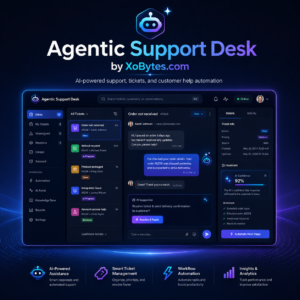
Agentic Support Desk for WordPress by XoBytes.com
$19.99
Agentic Support Desk by Xobytes is an AI-powered WordPress support desk built for software sellers, WooCommerce stores, agencies,…
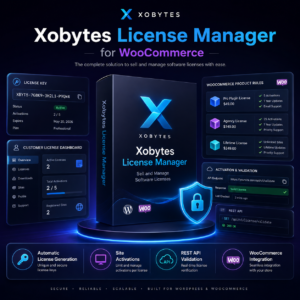
License manager for WooCommerce by XoBytes.com
$25.00
Xobytes License Manager for WooCommerce is a powerful WooCommerce license manager plugin that lets you sell software licenses,…

Agent Shield by XoBytes | Protect against agentic software
$25.00
AgentShield is a WordPress AI Agent Firewall that helps detect, monitor, block, and temporarily ban AI crawlers, AI…
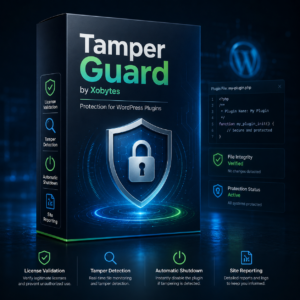
Tamper Guard by XoBytes | WordPress Plugin Tamper Detector
$25.00
Protect your commercial WordPress plugins with license-based tamper detection, file integrity monitoring, automatic shutdown protection, and site reporting.…
Product 1 of 6
Comparative Analysis: Custom Software vs. Off-the-Shelf Solutions
When deciding between custom software and off-the-shelf solutions, it’s essential to conduct a comparative analysis based on several criteria. Here are key aspects to consider:
Continue with Key Factors That Affect the Cost to Develop Custom Software Platforms for additional XoBytes guidance.
- Cost: Off-the-shelf solutions often have a lower initial cost, but custom software may offer better long-term value if it meets specific business needs.
- Scalability: Custom software can be designed to scale with your business, while off-the-shelf solutions may have limitations.
- Integration: Custom solutions can be tailored to integrate seamlessly with your existing systems, whereas off-the-shelf products might require additional customization.
- Support and Maintenance: Custom software typically comes with dedicated support, while off-the-shelf products might offer limited assistance.
Practical Example of Custom Software Implementation
To illustrate the benefits of custom software, consider a company in the logistics sector. They needed a solution to track shipments in real-time, manage inventory, and generate reports. An off-the-shelf software package could not provide the specific functionalities required for their operations. Instead, they opted for a custom solution that included:
- Real-Time Tracking: A GPS-based tracking system that allows customers to see the location of their shipments.
- Inventory Management: A module that integrates with their warehouse management system to provide accurate stock levels.
- Reporting Tools: Customizable dashboards that allow managers to generate reports based on various parameters.
This tailored approach not only met their immediate needs but also positioned them for future growth, demonstrating the long-term value of investing in custom software.
Implementation Steps for Custom Software Development
Implementing custom software involves several critical steps. Here’s a structured approach to guide you through the process:
- Requirements Gathering: Engage stakeholders to gather detailed requirements and expectations for the software.
- Feasibility Study: Assess the technical and financial feasibility of the project to ensure it aligns with business goals.
- Prototyping: Develop a prototype to visualize the software and gather feedback before full-scale development.
- Development: Begin the development process, ensuring regular communication between the development team and stakeholders.
- Testing: Conduct thorough testing to identify and resolve any issues before deployment.
- Deployment: Roll out the software to users, providing necessary training and support.
- Post-Launch Support: Offer ongoing support and maintenance to address any future needs or issues.
Decision Criteria for Choosing a Development Partner
Selecting the right development partner is crucial for the success of your custom software project. Here are some decision criteria to consider:
- Experience: Look for a partner with a proven track record in developing software similar to your requirements.
- Technical Expertise: Assess their proficiency in the technology stack you wish to use.
- Client Testimonials: Review feedback from previous clients to gauge satisfaction and reliability.
- Communication Skills: Ensure they have strong communication practices to keep you informed throughout the development process.
- Post-Development Support: Confirm that they offer ongoing support and maintenance options after the software is launched.
Frequently Asked Questions
Now, let’s address some common questions related to custom software development costs.
FAQs
- What are the main factors that affect the cost of custom software development? Key factors include project complexity, features required, development time, technology stack, team expertise, and ongoing maintenance costs.
- How can I accurately estimate the budget for my custom software project? Start by defining clear requirements, consult with experienced developers, use cost estimation frameworks, and include contingency funds for unforeseen issues.
- When is custom software development a better choice than off-the-shelf solutions? Custom development is ideal when your business has unique needs that cannot be met by generic tools, or when scalability and integration are critical.
- What are some best practices for managing the costs of custom software projects? Prioritize features, adopt Agile development, continuously monitor progress, and leverage automation tools to reduce time and expenses.