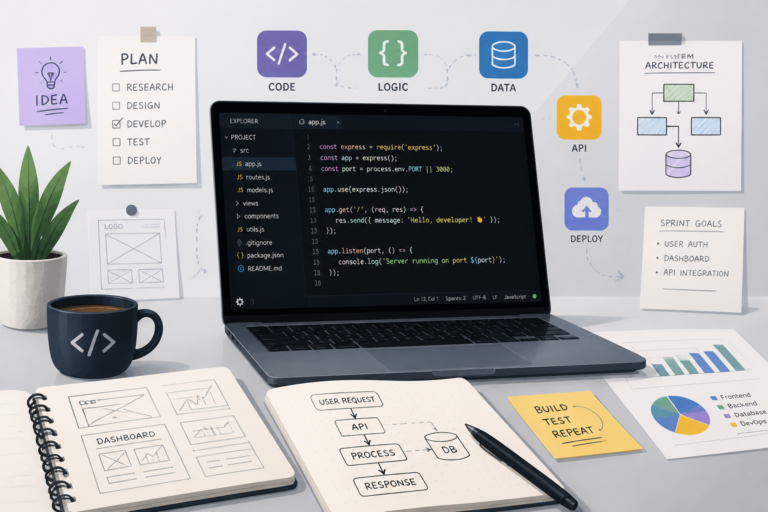
In today’s digital landscape, businesses increasingly recognize the importance of custom software development. However, understanding the true cost of building custom software development platforms is crucial for making informed decisions. Therefore, in this article, we will explore the various factors that influence the cost, the benefits of custom solutions, and tips for budgeting effectively.
Why Custom Software Development?
Many businesses face unique challenges that off-the-shelf software cannot adequately address. Consequently, custom software development offers tailored solutions that align perfectly with specific business needs. For example, a custom platform can streamline operations, improve customer interactions, and enhance overall efficiency.
Key Factors Influencing the Cost of Custom Software Development
Understanding the factors that affect the cost of custom software development is essential. Here are some key elements to consider:
- Project Size: Larger projects typically require more resources and time, increasing overall costs.
- Complexity: The more complex the software, the higher the development cost. Complex features often demand specialized skills.
- Required Features: Each feature adds to the development time and cost. Therefore, prioritize essential features to manage your budget.
- Integrations: If your software needs to integrate with other systems, this can increase costs significantly due to additional development work.
- Development Team Location: The location of your development team can greatly affect costs. For instance, teams in regions with lower living costs may offer more affordable rates.
- Development Methodology: Agile development may lead to higher initial costs but can result in more efficient processes and lower long-term expenses.
Understanding Custom Software Development Costs
To gain a clear understanding of custom software development costs, it’s essential to break down the expenses involved. Generally, these can be categorized into three main areas:
- Initial Development Costs: These include the costs associated with designing, coding, and testing the software. This phase often represents the largest expense.
- Maintenance and Support: After the software is launched, ongoing maintenance and support costs must be considered. This includes updates, bug fixes, and customer support.
- Scaling Costs: As your business grows, your software may require additional features or capacity. Planning for these potential costs is crucial.
For more insights into the cost of custom software development, check out our article on How Much Does Custom Software Development Cost?.
Budgeting for Custom Software Development
Creating a budget for custom software development can be challenging. However, by following these steps, you can develop a more accurate estimate:
- Define Your Requirements: Clearly outline what you need the software to do. This will help you communicate effectively with developers.
- Research Development Options: Investigate different development teams and their rates. Compare their portfolios and client reviews.
- Consider Hidden Costs: Be aware of potential hidden costs, such as licensing fees, hosting, and ongoing maintenance.
- Plan for Contingencies: Always include a contingency fund in your budget to address unexpected issues or changes in scope.
Benefits of Custom Software Development
Investing in custom software development can yield numerous benefits for your business. Here are some key advantages:
For a practical companion to this section, explore Understanding Custom Software Development: When and Why Your Business Needs It.
- Tailored Solutions: Custom software is designed to meet your specific business needs, ensuring it addresses your unique challenges.
- Increased Efficiency: By automating processes and streamlining workflows, custom software can significantly enhance productivity.
- Competitive Advantage: Custom solutions can provide features and functionalities that set your business apart from competitors.
- Scalability: As your business grows, custom software can be adapted and scaled to meet changing demands.
Real-World Examples of Custom Software Development
To illustrate the impact of custom software development, consider these examples:
- Healthcare Management Systems: Many healthcare providers use custom software to manage patient records, appointments, and billing efficiently.
- E-Commerce Platforms: Custom e-commerce solutions allow businesses to create unique shopping experiences tailored to their customers’ preferences.
- Project Management Tools: Companies often develop custom project management software to facilitate collaboration and track progress on specific projects.
Negotiating Software Development Costs
When working with a development team, negotiating costs can be beneficial. Here are some strategies to consider:
Related XoBytes Products

Agentic Consultant, Product Rep, & Customer Service Agent By XoBytes.com
$19.99
Agentic Consultant for WordPress gives your website a smart AI product rep, customer service agent, and hands-free voice…
Agentic Support Desk for WordPress by XoBytes.com
$19.99
Agentic Support Desk by Xobytes is an AI-powered WordPress support desk built for software sellers, WooCommerce stores, agencies,…

Agent Shield by XoBytes | Protect against agentic software
$25.00
AgentShield is a WordPress AI Agent Firewall that helps detect, monitor, block, and temporarily ban AI crawlers, AI…
- Be Transparent: Clearly communicate your budget and project requirements to ensure both parties have aligned expectations.
- Discuss Payment Models: Explore different payment structures, such as fixed-price contracts or hourly rates, to find what works best for your project.
- Request Detailed Proposals: Ask for detailed proposals that outline costs associated with each phase of development. This will help you understand where your budget is going.
Conclusion
Understanding the true cost of building custom software development platforms is vital for any business looking to invest in tailored solutions. By considering the factors that influence costs, budgeting effectively, and recognizing the benefits of custom software, you can make informed decisions that drive your business forward.
Implementation Steps for Custom Software Development
Successfully implementing a custom software solution requires a structured approach. Here are key steps to guide you through the process:
Continue with Understanding Custom Software Development: When and Why Your Business Needs It for additional XoBytes guidance.
- Conduct a Needs Assessment: Gather input from stakeholders to identify the specific needs and challenges your software should address.
- Develop a Project Plan: Outline the project timeline, milestones, and deliverables to keep the development process on track.
- Select the Right Development Team: Choose a team with the necessary skills and experience, ensuring they understand your industry and objectives.
- Prototype and Iterate: Create a prototype to visualize the software. Use feedback to make iterative improvements before final development.
- Testing: Conduct thorough testing at various stages to identify and resolve issues early on, ensuring a smoother launch.
- Launch and Monitor: Once the software is live, monitor its performance and gather user feedback for ongoing improvements.
Comparing Custom Software Development vs. Off-the-Shelf Solutions
When considering software solutions, businesses often weigh the pros and cons of custom development against off-the-shelf options. Here’s a comparison to help you decide:
| Criteria | Custom Software Development | Off-the-Shelf Software |
|---|---|---|
| Cost | Higher initial investment but can lead to long-term savings through efficiency. | Lower upfront costs, but may incur hidden fees for licensing and upgrades. |
| Flexibility | Highly flexible and adaptable to changing business needs. | Limited flexibility; may require workarounds for unique requirements. |
| Support and Maintenance | Ongoing support tailored to your specific software. | Standardized support; may not address unique issues promptly. |
| Scalability | Easily scalable as your business grows. | May require costly upgrades or replacements for scalability. |
| Time to Deployment | Longer development time due to customization. | Quick deployment; ready to use out of the box. |
Decision Criteria for Choosing Custom Software Development
Deciding whether to invest in custom software development involves considering several key criteria:
- Business Requirements: Assess if your needs are unique enough to warrant custom development.
- Budget Constraints: Determine if you can allocate sufficient resources for a custom solution.
- Long-Term Goals: Consider how the software will align with your future business objectives.
- User Experience: Evaluate the importance of a tailored user experience for your customers or employees.
- Integration Needs: Identify if the software must integrate with existing systems and how custom solutions can facilitate this.
Real-World Success Stories
Understanding the impact of custom software development can be enhanced by looking at real-world success stories:
- Retail Chain: A national retail chain developed a custom inventory management system that reduced stock discrepancies by 40%, leading to significant cost savings.
- Financial Services: A financial services firm implemented a custom CRM that improved client communication and increased customer retention rates by 25%.
- Education Sector: An online learning platform created a custom software solution that personalized learning paths for students, resulting in a 30% improvement in course completion rates.
Frequently Asked Questions
For additional insights, refer to the FAQ section above, which addresses common inquiries about custom software development costs, budgeting, and overall benefits.
What factors influence the cost of custom software development?
Several factors influence the cost, including project size, complexity, required features, integrations, and the development team's location and expertise.
How can I estimate my custom software development budget?
To estimate your budget, consider all project requirements, consult with development teams, and review similar projects to gauge potential costs.
Is custom software worth the investment?
Yes, custom software can provide tailored solutions that meet specific business needs, enhance efficiency, and offer a competitive advantage.