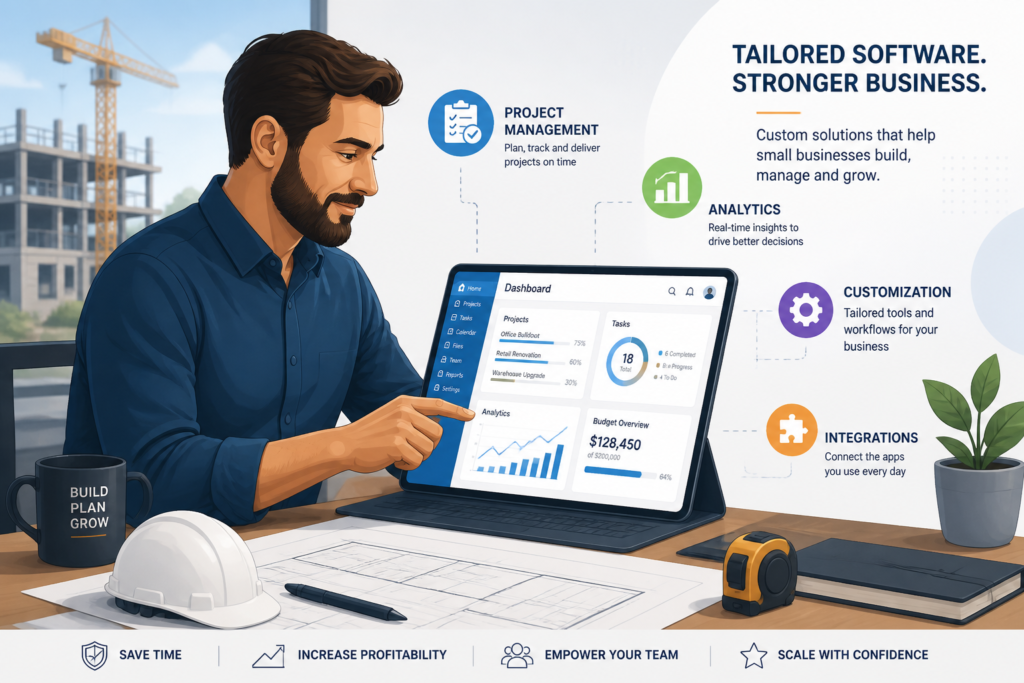
In today’s competitive business landscape, small businesses are increasingly turning to custom software solutions to enhance their operational efficiency and drive growth. Among the many options available, the Agentic Construction Theme stands out as a comprehensive solution designed specifically for contractors and tradespeople. This theme not only simplifies project management but also streamlines various business processes, allowing businesses to focus on their core competencies.
Custom software can empower small businesses to innovate and adapt to changing market demands. By leveraging tailored solutions, companies can address specific challenges that off-the-shelf software often fails to meet. In this article, we will explore key strategies and tools that can help build your small business with custom software.
Understanding Custom Software
Custom software is designed to meet the unique needs of a business rather than relying on generic, off-the-shelf solutions. This flexibility allows businesses to tailor features and functionalities to their specific requirements. Therefore, investing in custom software can lead to significant improvements in efficiency and productivity.
Advantages of Custom Software
- Tailored Features: Custom software can include specific functionalities that align with your business processes.
- Improved Efficiency: By automating repetitive tasks, custom solutions can save time and reduce errors.
- Scalability: As your business grows, custom software can evolve to meet new demands without needing a complete overhaul.
- Competitive Edge: Tailored solutions can provide unique advantages that differentiate your business from competitors.
Key Strategies for Building Your Business with Custom Software
To effectively leverage custom software, consider the following strategies:
- Identify Your Needs: Begin by assessing your business operations to pinpoint areas where custom software can provide the most value.
- Choose the Right Developer: Select a developer with experience in creating solutions tailored for your industry. Look for a proven track record and clear communication.
- Focus on Integration: Ensure that your custom software can seamlessly integrate with existing systems, such as accounting or customer relationship management tools.
- Plan for Scalability: Design your software with future growth in mind, allowing for easy updates and expansions as your business evolves.
- Prioritize User Experience: A user-friendly interface is crucial for adoption among your team members, so invest time in designing an intuitive solution.
Tools for Developing Custom Software
Several tools and technologies can aid in the development of custom software:
- Development Frameworks: Frameworks such as Django, Ruby on Rails, or Laravel can speed up the development process.
- Project Management Tools: Utilizing tools like Trello or Asana can help manage the software development lifecycle effectively.
- Version Control Systems: Tools like Git allow developers to track changes and collaborate more efficiently.
- Testing Software: Automated testing tools ensure that your software is reliable and meets quality standards.
The Agentic Construction Theme exemplifies how these tools can be integrated to create a robust solution for contractors. This theme provides essential features like project management, lead generation, and client communication tools, all designed to streamline operations.
Who Should Consider Custom Software?
Custom software is ideal for small businesses that:
- Have unique operational requirements that off-the-shelf solutions cannot address.
- Seek to improve efficiency and productivity through automation.
- Plan to scale their operations and need a flexible software solution.
Conclusion
Investing in custom software can significantly impact your small business’s growth and efficiency. By understanding your needs, choosing the right developer, and leveraging effective tools, you can create a solution that drives innovation and success. Consider exploring the Agentic Construction Theme to see how tailored software can transform your business operations today!
Practical Examples of Custom Software in Small Businesses
Custom software solutions have been successfully implemented across various industries, demonstrating their versatility and effectiveness. Here are a few practical examples:
For additional authoritative context, review Get your AI blog generator here!.
Continue with How Custom Software Empowers Small Businesses to Grow and Innovate for additional XoBytes guidance.
$49.99
Why You Need This Theme And Plugin! Click here for the Demo Agentic Construction Theme by XoBytes is…
Add to cart

$19.99
Agentic Consultant for WordPress gives your website a smart AI product rep, customer service agent, and hands-free voice…
Add to cart
$25.00
Protect your commercial WordPress plugins with license-based tamper detection, file integrity monitoring, automatic shutdown protection, and site reporting.…
Add to cart

$19.99
Xobytes Social Autopilot is a WordPress social media autoposter that helps schedule and promote posts, pages, WooCommerce products,…
Add to cart
$19.99
Turn your WordPress site, Google Search Console data, and SEO opportunities into smarter blog posts, pages, titles, meta…
Add to cart
$19.99
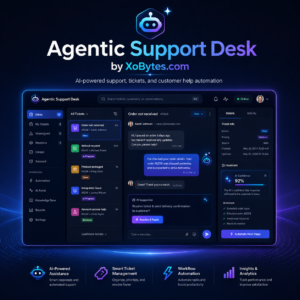
Agentic Support Desk by Xobytes is an AI-powered WordPress support desk built for software sellers, WooCommerce stores, agencies,…
Add to cart
Product 1 of 6
- Retail Management: A small retail business developed a custom inventory management system that integrates with their e-commerce platform. This software allows real-time tracking of stock levels, automates reordering processes, and provides insights into sales trends, leading to reduced overstock and stockouts.
- Healthcare Services: A local clinic created a custom patient management system that streamlines appointment scheduling, patient records, and billing processes. This solution enhanced patient experience and improved operational efficiency by reducing administrative burdens.
- Construction Project Management: A construction firm utilized custom software to manage project timelines, budgets, and subcontractor communications. The software included features for real-time updates, allowing project managers to make informed decisions quickly.
Implementation Steps for Custom Software Development
Implementing custom software can seem daunting, but by following a structured approach, small businesses can navigate the process effectively. Here are key steps to consider:
- Conduct a Needs Assessment: Gather input from stakeholders to identify specific needs and pain points that the software should address.
- Define Clear Objectives: Establish measurable goals for what the custom software should achieve, such as reducing processing time or improving customer satisfaction.
- Create a Project Plan: Outline the project timeline, budget, and milestones. Ensure that all team members understand their roles and responsibilities.
- Select the Right Technology Stack: Choose appropriate programming languages, frameworks, and tools that align with your business needs and developer expertise.
- Develop a Prototype: Create a prototype to visualize the software’s functionality and gather feedback from users before full-scale development.
- Iterate Based on Feedback: Use feedback from the prototype testing phase to make necessary adjustments and improvements to the software.
- Launch and Train: Once the software is ready, launch it and provide training to your team to ensure they understand how to use it effectively.
- Monitor and Optimize: After launch, continuously monitor the software’s performance and gather user feedback to make ongoing improvements.
Decision Criteria for Choosing Custom Software
When deciding whether to invest in custom software, consider the following criteria to ensure it aligns with your business goals:
- Business Size and Growth Potential: Assess whether your business is at a stage where custom software can provide a significant return on investment.
- Operational Complexity: Determine if your business processes are complex enough to warrant a tailored solution rather than an off-the-shelf product.
- Budget Considerations: Evaluate your budget for software development and maintenance, ensuring you can sustain the investment over time.
- Integration Needs: Consider how well the custom software will integrate with your existing systems and whether it can streamline operations.
- User Adoption: Think about how your team will adapt to the new software and whether it will genuinely enhance their workflow.
Future Trends in Custom Software Development
As technology continues to evolve, several trends are shaping the future of custom software development that small businesses should be aware of:
- Increased Use of AI and Machine Learning: Custom software is increasingly incorporating AI capabilities to improve decision-making and automate processes.
- Emphasis on Mobile Solutions: With the rise of remote work, businesses are prioritizing mobile-friendly solutions that allow employees to access software on-the-go.
- Focus on Cybersecurity: As data breaches become more common, custom software development will prioritize robust security features to protect sensitive information.
- Agile Development Methodologies: More businesses are adopting agile methodologies to enhance collaboration, flexibility, and responsiveness during the development process.
Frequently Asked Questions
Here are some common questions and answers about custom software for small businesses:
What are the advantages of custom software for small businesses?
Custom software offers small businesses tailored features, improved efficiency, scalability, and a competitive edge by addressing specific operational needs that off-the-shelf solutions may not fully meet.
How can I choose the right custom software developer for my small business?
Look for developers with experience in small business solutions, a proven track record, clear communication, and the ability to customize tools to your specific industry and operational requirements.
What are typical costs associated with developing custom software for small businesses?
Costs vary based on complexity, features, and development time, but investing in quality development ensures long-term benefits such as increased efficiency and scalability, often justified by ROI.
Can custom software integrate with existing systems?
Yes, reputable developers can ensure your custom software seamlessly integrates with your current tools, such as accounting, CRM, or project management systems, enhancing overall workflow.