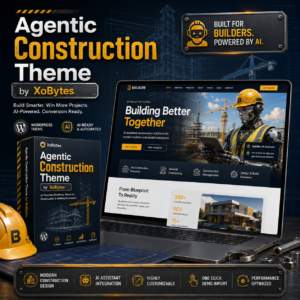
Agentic Construction Theme | More than just a theme | Built for all trades
$49.99
Why You Need This Theme And Plugin! Click here for the Demo Agentic Construction Theme by XoBytes is…
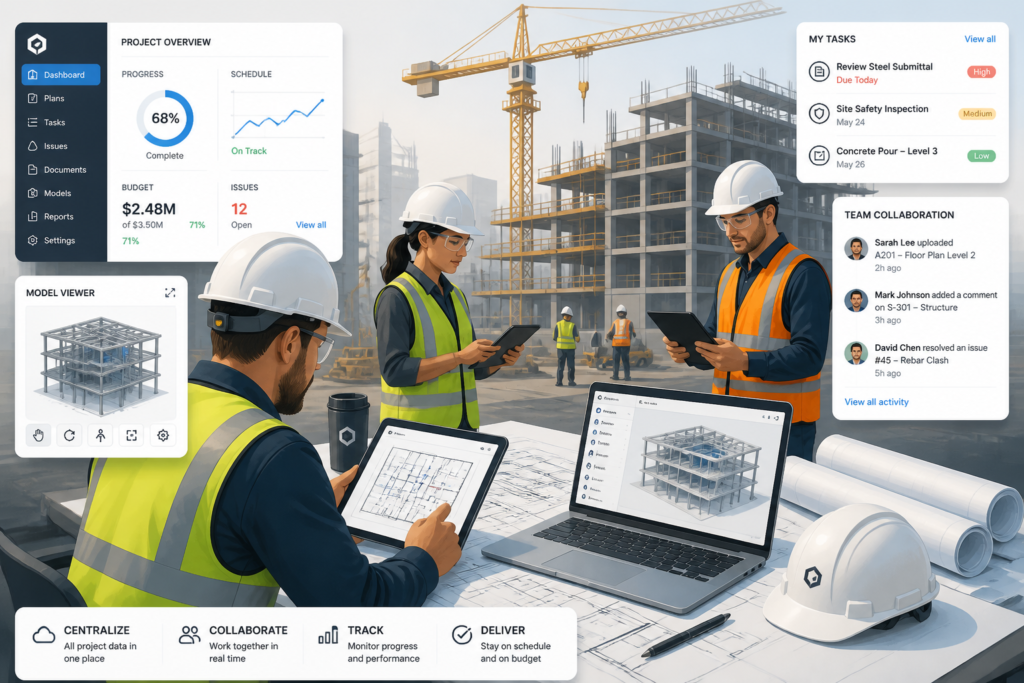
In today's fast-paced construction industry, companies face numerous challenges that can hinder productivity and efficiency. Fortunately, internal business software is transforming how construction firms operate. This software helps streamline processes, improve communication, and enhance project management. One standout solution is the Agentic…
In today’s fast-paced construction industry, companies face numerous challenges that can hinder productivity and efficiency. Fortunately, internal business software is transforming how construction firms operate. This software helps streamline processes, improve communication, and enhance project management. One standout solution is the Agentic Construction Theme by XoBytes, a comprehensive platform designed specifically for construction businesses.
By implementing internal business software, construction companies can reap numerous benefits. For instance, they can reduce manual tasks, improve record-keeping, and enhance collaboration among team members. The Agentic Construction Theme empowers firms to manage projects, track employee performance, and maintain client relationships, all within a single system. Therefore, it serves as a vital tool for any construction company seeking digital transformation.
Internal business software refers to integrated platforms that support various business functions. In the construction industry, these systems can help manage everything from project timelines and budgets to employee schedules and client communications. By consolidating these functions into one software solution, companies can avoid the pitfalls of disorganized records and inefficient workflows.
Moreover, internal business software allows construction firms to automate routine tasks. For example, instead of manually entering data, employees can input information directly into the system, which reduces the likelihood of errors and saves time. This level of organization is crucial in a field where precision is vital.
To make this easier, let’s explore some specific benefits of using internal business software in construction:
The Agentic Construction Theme stands out as a leading internal business software solution tailored for construction companies. This WordPress-based platform offers a range of features designed to meet the unique needs of contractors:
Because of this comprehensive functionality, the Agentic Construction Theme is ideal for both small contractors and larger construction firms. Its scalability means that as your business grows, the software can adapt to your evolving needs.
Many construction companies have successfully implemented internal business software like the Agentic Construction Theme. For example, a mid-sized contractor was able to reduce project delays by 30% after adopting this software. By centralizing their project management processes, they improved communication among team members and streamlined workflows.
Another example involves a small construction firm that struggled with client relationship management. After using the Agentic Construction Theme, they could track client interactions more effectively, leading to a 20% increase in repeat business.
While the benefits of internal business software are clear, some construction companies may have concerns about complexity and cost. However, the Agentic Construction Theme is designed to be user-friendly, allowing even those with limited technical skills to navigate the platform effectively. Moreover, at a price of just $49.99, it provides excellent value compared to other options in the market.
In addition, many users find that the time and cost savings achieved through automation far outweigh the initial investment in the software. As a result, companies can focus more on their core business activities rather than administrative tasks.
In conclusion, internal business software is essential for construction companies looking to improve efficiency, streamline operations, and enhance project management. The Agentic Construction Theme by XoBytes offers a comprehensive solution that addresses common pain points faced by contractors. By adopting this software, construction firms can transform their operations and position themselves for success in a competitive industry.
$49.99
Why You Need This Theme And Plugin! Click here for the Demo Agentic Construction Theme by XoBytes is…
$19.99
Turn your WordPress site, Google Search Console data, and SEO opportunities into smarter blog posts, pages, titles, meta…
$25.00
Protect your commercial WordPress plugins with license-based tamper detection, file integrity monitoring, automatic shutdown protection, and site reporting.…
$19.99
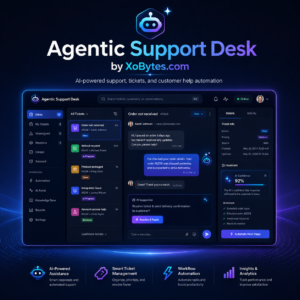
Agentic Support Desk by Xobytes is an AI-powered WordPress support desk built for software sellers, WooCommerce stores, agencies,…

$25.00
Plugin Update Server by XoBytes lets WordPress plugin sellers deliver private plugin updates directly to customer dashboards. Upload…

$25.00
AgentShield is a WordPress AI Agent Firewall that helps detect, monitor, block, and temporarily ban AI crawlers, AI…
Product 1 of 6
Ready to enhance your construction business? Explore the Agentic Construction Theme today and start reaping the benefits of integrated business software!
To better understand the impact of internal business software, let’s delve deeper into practical examples that illustrate its effectiveness in real-world scenarios.
A large construction firm engaged in a major infrastructure project faced challenges with coordination among various subcontractors. By implementing the Agentic Construction Theme, they were able to:
For additional authoritative context, review Get your AI blog generator here!.
As a result, the project was completed 15% under budget and two months ahead of schedule.
A small residential construction firm struggled with managing client expectations and project timelines. After adopting internal business software, they experienced the following benefits:
This led to a 30% increase in client referrals, significantly boosting their business growth.
Continue with How Construction Companies Benefit from Secure Client Portals for additional XoBytes guidance.
For construction companies considering the transition to internal business software, a structured implementation process is crucial. Here are key steps to ensure a smooth integration:
Following these steps can help mitigate risks and enhance the likelihood of a successful software adoption.
When selecting internal business software, construction companies should consider the following criteria to ensure they choose the best fit for their needs:
By carefully considering these criteria, construction firms can make informed decisions that align with their operational goals and enhance overall efficiency.
Here are some common questions about internal business software for construction companies:
Internal business software for construction companies is an integrated digital platform that helps manage projects, employees, clients, suppliers, and documentation within a single system, improving efficiency and organization.
The Agentic Construction Theme provides features for project management, employee and subcontractor organization, client tracking, and supplier coordination, all within a WordPress environment, enabling contractors to streamline workflows and reduce manual tasks.
Yes, integrated software solutions like the Agentic Construction Theme facilitate better communication, task assignment, and progress tracking, ensuring all team members and stakeholders stay informed and aligned.
Absolutely, the theme is flexible and scalable, making it suitable for small contractors as well as large construction companies aiming for digital integration and improved operational efficiency.