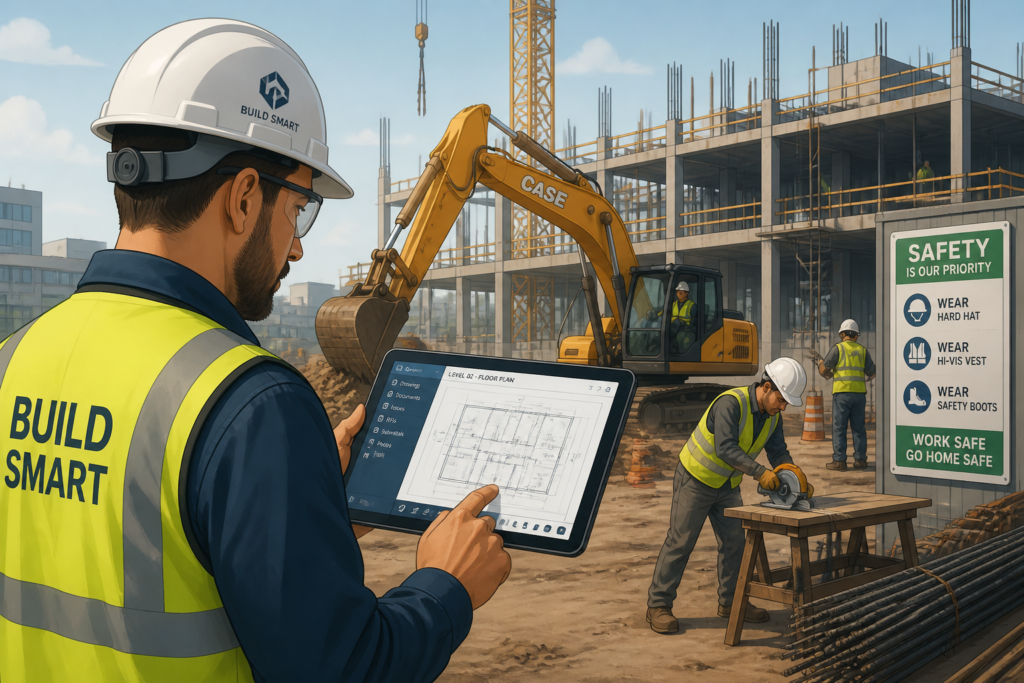
In today’s competitive landscape, business automation has become essential for construction and trade professionals. The right tools can streamline operations, enhance project management, and improve lead generation. One standout solution is the Agentic Construction Theme, designed specifically for contractors and tradespeople. With its robust features, this theme can significantly boost your business efficiency.
Moreover, implementing automation can help reduce manual errors and save valuable time. By integrating business automation tools, you can focus more on what matters: delivering quality work and growing your client base.
Understanding Business Automation
Business automation refers to the use of technology to perform tasks with minimal human intervention. This can include software that manages workflows, automates repetitive tasks, and improves communication. In the construction industry, automation can take many forms:
- Project Management Software: Tools that help track progress, manage resources, and communicate with team members.
- Lead Generation Tools: Software that captures potential client information and automates follow-ups.
- Client Engagement Solutions: Platforms that streamline communication between contractors and clients.
Benefits of Business Automation for Construction Professionals
To make this easier, here are some of the primary benefits of integrating business automation into your construction operations:
- Increased Efficiency: Automation can handle repetitive tasks quickly, allowing your team to focus on more strategic activities.
- Improved Accuracy: Reducing human error in data entry and project management leads to better outcomes.
- Enhanced Communication: Automated systems ensure that all stakeholders are informed and engaged throughout the project lifecycle.
- Cost Savings: By streamlining processes, you can reduce operational costs and improve your bottom line.
How the Agentic Construction Theme Enhances Automation
The Agentic Construction Theme is more than just a standard WordPress theme; it is a comprehensive solution for construction businesses. Here’s how it can transform your operations:
- Lead Capture Forms: Easily collect client information through customizable forms.
- Project Galleries: Showcase your work with beautiful galleries that attract potential clients.
- Service Showcases: Highlight your services effectively to improve client engagement and conversions.
In addition, the theme is designed to be user-friendly, making it suitable for both tech-savvy professionals and those less familiar with technology. This means you can set up and start benefiting from automation right away.
Choosing the Right Tools for Your Business
When selecting business automation tools, consider the following:
- Integration Capabilities: Ensure the tools can work together seamlessly.
- User-Friendliness: Look for intuitive interfaces that require minimal training.
- Scalability: Choose solutions that can grow with your business.
- Customer Support: Opt for providers that offer reliable support for troubleshooting and assistance.
Furthermore, it’s essential to assess your specific needs and workflows to find tools that align with your business goals.
Conclusion
In conclusion, business automation is a game-changer for construction and trade professionals. By leveraging tools like the Agentic Construction Theme, you can enhance your operational efficiency, improve project management, and ultimately drive business growth. Don’t miss out on the opportunity to streamline your operations and boost your bottom line.
Practical Examples of Business Automation in Construction
Understanding how business automation can be applied in real-world scenarios is crucial for construction professionals. Here are a few practical examples:
- Automated Scheduling: Use software like Procore or Buildertrend to automate project scheduling. These tools can send reminders to team members about upcoming tasks, reducing the chances of missed deadlines.
- Document Management: Implement a cloud-based document management system such as DocuSign or Dropbox Business. This allows for automated sharing and signing of contracts, ensuring all parties have access to the latest documents.
- Time Tracking: Utilize time tracking tools like Toggl or Harvest that automatically log hours worked by team members, making payroll processing simpler and more accurate.
Comparison of Popular Business Automation Tools
When considering business automation tools, it’s beneficial to compare features, pricing, and user reviews. Below is a comparison of three popular automation tools:
| Tool |
Key Features |
Pricing |
User Rating |
| Procore |
Project management, budgeting, scheduling |
Starts at $375/month |
4.5/5 |
| Buildertrend |
Lead management, scheduling, client communication |
Starts at $299/month |
4.6/5 |
| CoConstruct |
Customizable project management, budgeting, client portal |
Starts at $299/month |
4.7/5 |
Steps to Implement Business Automation in Your Construction Business
Implementing business automation can seem daunting, but following these steps can simplify the process:
- Assess Your Current Processes: Identify which tasks are repetitive and time-consuming, and evaluate how automation can help.
- Research Available Tools: Look into various automation tools that fit your needs. Consider user reviews and feature sets.
- Start Small: Choose one or two areas to automate first, such as lead generation or project management, to test the waters.
- Train Your Team: Ensure that your team is trained on the new tools to maximize their effectiveness. Consider hosting workshops or providing resources.
- Monitor and Adjust: After implementation, regularly review the effectiveness of the automation tools and make adjustments as necessary.
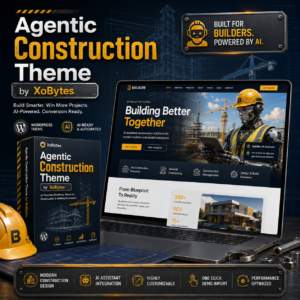
$49.99
Why You Need This Theme And Plugin! Click here for the Demo Agentic Construction Theme by XoBytes is…
Add to cart
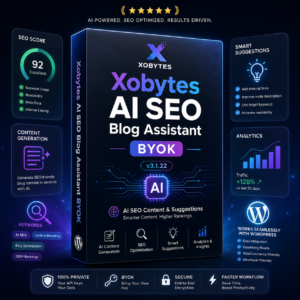
$19.99
Turn your WordPress site, Google Search Console data, and SEO opportunities into smarter blog posts, pages, titles, meta…
Add to cart
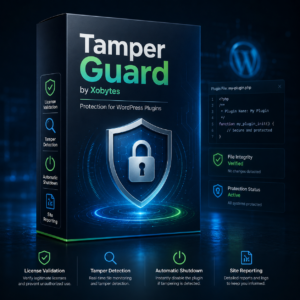
$25.00
Protect your commercial WordPress plugins with license-based tamper detection, file integrity monitoring, automatic shutdown protection, and site reporting.…
Add to cart
$19.99
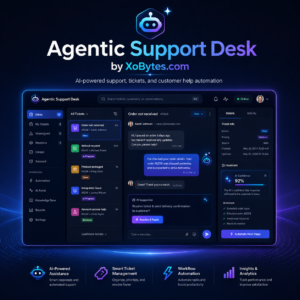
Agentic Support Desk by Xobytes is an AI-powered WordPress support desk built for software sellers, WooCommerce stores, agencies,…
Add to cart

$19.99
Xobytes Social Autopilot is a WordPress social media autoposter that helps schedule and promote posts, pages, WooCommerce products,…
Add to cart

$25.00
Plugin Update Server by XoBytes lets WordPress plugin sellers deliver private plugin updates directly to customer dashboards. Upload…
Add to cart
Product 1 of 6
Decision Criteria for Choosing Automation Tools
When selecting business automation tools, consider the following criteria to ensure you make the best choice for your construction business:
For additional authoritative context, review Get your AI blog generator here!.
- Functionality: Ensure the tool meets your specific needs, whether that’s project management, client communication, or financial tracking.
- Integration: Check if the tool can integrate with your existing software systems to create a seamless workflow.
- User Experience: Look for tools that have intuitive interfaces, making it easier for your team to adopt and use them effectively.
- Cost: Evaluate the pricing structure and ensure it fits within your budget without compromising on essential features.
- Customer Support: Choose a provider that offers robust customer support, including tutorials, FAQs, and live assistance.
Advanced Features of Business Automation Tools
When exploring business automation for construction professionals, it’s essential to understand the advanced features that can significantly enhance your operations. Here are some key functionalities to consider:
- Real-Time Analytics: Look for tools that offer real-time data analytics to track project performance and resource allocation. This helps in making informed decisions quickly.
- Mobile Accessibility: Choose automation tools that provide mobile access, allowing your team to manage tasks and communicate from job sites, ensuring they stay connected and updated.
- Custom Reporting: Tools that allow you to create custom reports can help you analyze specific metrics that matter to your business, from financial performance to project timelines.
- Integration with Accounting Software: Ensure your automation tools can integrate with accounting software like QuickBooks or Xero for streamlined financial management.
Case Studies of Successful Automation in Construction
Understanding real-world applications of business automation can provide valuable insights. Here are two case studies showcasing successful implementations:
Continue with Enhance Construction Business Efficiency with Automation Tools for additional XoBytes guidance.
Case Study 1: ABC Construction
ABC Construction implemented a project management tool that automated scheduling and resource allocation. By doing so, they reduced project delays by 30% and improved team communication through automated notifications and updates.
Case Study 2: XYZ Trades
XYZ Trades adopted a lead generation tool that automated client follow-ups. This led to a 50% increase in lead conversion rates, as potential clients received timely responses and information, enhancing their overall experience.
Best Practices for Implementing Business Automation
To maximize the benefits of business automation, consider these best practices:
- Engage Stakeholders: Involve key team members in the selection and implementation process to ensure buy-in and identify specific needs.
- Set Clear Objectives: Define what you want to achieve with automation, whether it’s reducing costs, improving efficiency, or enhancing customer satisfaction.
- Regular Training: Conduct ongoing training sessions to keep your team updated on new features and best practices, ensuring they leverage the tools effectively.
- Feedback Loop: Establish a feedback mechanism to gather insights from users about the automation tools, allowing for continuous improvement.
Future Trends in Business Automation for Construction
As technology continues to evolve, several trends are shaping the future of business automation in the construction industry:
- Artificial Intelligence: AI is expected to play a significant role in predictive analytics, helping businesses forecast project outcomes and improve decision-making.
- Internet of Things (IoT): IoT devices will enhance real-time data collection from job sites, providing insights into equipment usage and project progress.
- Blockchain Technology: Blockchain can improve transparency and security in contract management and payments, ensuring all parties have access to verified information.
Frequently Asked Questions
Here are some common questions about business automation in the construction industry:
- What are the main benefits of business automation for construction companies? Business automation helps construction companies save time, reduce errors, improve project management, enhance lead generation, and increase overall operational efficiency.
- How can the Agentic Construction Theme support my construction business automation? The Agentic Construction Theme provides built-in features like lead capture forms, project galleries, and service showcases, making it easier to automate website interactions and streamline client engagement.
- Is business automation software suitable for small trade businesses? Yes, many automation tools, including themes like Agentic Construction, are designed to scale with your business, offering features that benefit small to large trade and construction companies.
- What should I consider when choosing construction business automation tools? Focus on integration capabilities, ease of use, scalability, customer support, and how well the tool aligns with your specific workflows and project management needs.