In the ever-evolving construction and trade industries, having the right tools can significantly impact your success. For small business owners, the right software can streamline operations, enhance productivity, and ultimately drive growth. In this article, we’ll explore the top small business software for construction and trade professionals in 2026, focusing on how these solutions can transform your business. A standout option to consider is the Agentic Construction Theme, a comprehensive platform designed specifically for contractors and trades.
With the Agentic Construction Theme, you gain access to a suite of tools that not only simplify project management but also enhance lead generation and customer communication. As a result, you can focus on what truly matters—growing your business. This theme is more than just a template; it integrates essential features that cater to the unique needs of construction professionals.
Why Choose Small Business Software?
Small business software is essential for construction and trade professionals looking to improve efficiency and productivity. Here are some of the key benefits:
- Streamlined Operations: Software solutions automate repetitive tasks, allowing teams to focus on core activities.
- Enhanced Communication: These tools improve communication between team members, clients, and subcontractors.
- Better Project Management: Effective software helps track project progress, budgets, and timelines.
- Lead Generation: Many solutions offer features to capture and manage leads seamlessly.
Key Features to Look For
When selecting software for your construction business, consider these essential features:
Stay connected through Facebook for practical updates related to this work.
- Project Management: Tools that facilitate planning, scheduling, and tracking project tasks.
- Lead Capture: Features that help you gather and manage potential client information.
- Customer Communication: Integrated messaging systems to keep clients informed and engaged.
- Automation Capabilities: Tools that automate tasks such as invoicing, scheduling, and follow-ups.
- Integration: Compatibility with other tools like WooCommerce or WordPress plugins for seamless operations.
Exploring the Agentic Construction Theme
The Agentic Construction Theme is an all-in-one solution tailored for construction and trade professionals. This theme offers a user-friendly interface, allowing you to manage your projects efficiently. Here are some of its standout features:
- Responsive Design: Your website will look great on any device, ensuring accessibility for all clients.
- Lead Generation Tools: Capture more leads with integrated forms and call-to-action buttons.
- Project Management Features: Track your projects from start to finish with built-in management tools.
- Automation: Automate routine tasks to save time and reduce errors.
This theme is perfect for small construction businesses, as it consolidates essential functions into a single platform. However, it’s also suitable for trade professionals seeking to enhance their online presence and streamline operations.
How Small Business Software Transforms Operations
Implementing small business software can revolutionize how construction and trade professionals operate. For example, using the right software can reduce administrative burdens, allowing teams to focus on actual construction work. Moreover, it can enhance collaboration among team members, leading to improved project outcomes.
Conclusion
In conclusion, investing in the right small business software is crucial for construction and trade professionals looking to thrive in 2026. The Agentic Construction Theme stands out as a robust solution that addresses the unique challenges of the industry. By streamlining operations, enhancing communication, and improving project management, it sets the foundation for success. Explore the Agentic Construction Theme today and take your construction business to the next level!
Practical Examples of Software in Action
To illustrate the impact of small business software in the construction industry, let’s consider a few real-world scenarios:
- Project Tracking with Software: A small construction firm implemented project management software that allowed them to track progress in real-time. They noticed a 25% reduction in project overruns, as the software provided alerts for any delays or budget discrepancies, enabling them to address issues proactively.
- Improved Client Engagement: A trade professional used customer communication tools integrated with their software to send automated updates to clients. This led to a 40% increase in client satisfaction ratings, as clients felt more informed and engaged throughout the project lifecycle.
- Streamlined Invoicing: By adopting invoicing automation, a small contractor reduced the time spent on billing by 50%. The software generated invoices automatically based on project milestones, ensuring timely payments and better cash flow management.
Comparing Popular Small Business Software Options
When selecting the best small business software for construction, it’s essential to compare various options. Here’s a breakdown of some popular software solutions:
For ongoing news and discussion, visit LinkedIn.
1. Buildertrend
- Features: Project scheduling, budgeting, client communication, and document management.
- Pros: User-friendly interface, strong customer support, and mobile app availability.
- Cons: Some users report a steep learning curve for advanced features.
2. CoConstruct
- Features: Customizable project management, client portal, and budgeting tools.
- Pros: Excellent for custom home builders and remodelers, strong integration capabilities.
- Cons: Pricing can be higher than competitors, especially for smaller firms.
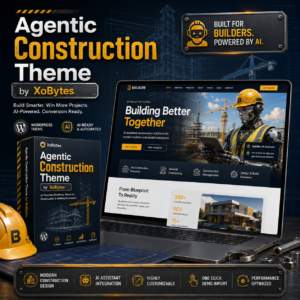
Why You Need This Theme And Plugin! Click here for the Demo Agentic Construction Theme by XoBytes is…
Add to cart
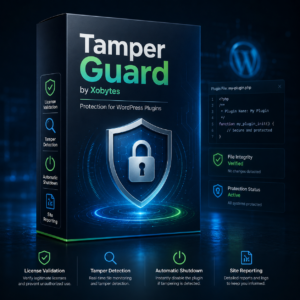
Protect your commercial WordPress plugins with license-based tamper detection, file integrity monitoring, automatic shutdown protection, and site reporting.…
Add to cart
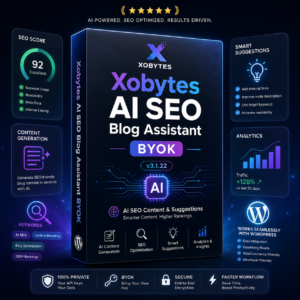
Turn your WordPress site, Google Search Console data, and SEO opportunities into smarter blog posts, pages, titles, meta…
Add to cart

Plugin Update Server by XoBytes lets WordPress plugin sellers deliver private plugin updates directly to customer dashboards. Upload…
Add to cart

Agentic Support Desk by Xobytes is an AI-powered WordPress support desk built for software sellers, WooCommerce stores, agencies,…
Add to cart

AgentShield is a WordPress AI Agent Firewall that helps detect, monitor, block, and temporarily ban AI crawlers, AI…
Add to cart
Product 1 of 6
3. Procore
- Features: Comprehensive project management, financial management, and field productivity tools.
- Pros: Extensive features suitable for larger projects, strong collaboration tools.
- Cons: May be overwhelming for small businesses due to its complexity.
Implementation Steps for Small Business Software
Implementing new software can be a daunting task, but following these steps can ensure a smooth transition:
- Assess Your Needs: Identify the specific challenges your business faces and what features are necessary to address them.
- Research Options: Compare different software solutions based on features, pricing, and user reviews.
- Trial Period: Take advantage of free trials to test the software in your daily operations before making a commitment.
- Training: Ensure your team receives adequate training to utilize the software effectively. Many providers offer onboarding assistance.
- Monitor Progress: After implementation, regularly review the software’s impact on your operations and make adjustments as necessary.
Decision Criteria for Selecting Software
When deciding on the best small business software for construction, consider the following criteria:
- Scalability: Will the software grow with your business? Look for solutions that can accommodate increasing project sizes and team members.
- Cost: Evaluate both upfront costs and ongoing fees to ensure the software fits within your budget.
- User Experience: A user-friendly interface will minimize training time and improve adoption rates among your team.
- Customer Support: Reliable customer support can be crucial when you encounter issues or need assistance with the software.
Practical Considerations for Software Implementation
When implementing small business software for construction, it’s essential to consider not just the features but also how they align with your business processes. Here are some practical considerations:
For additional authoritative context, review Get your AI blog generator here!.
- Customization: Ensure the software can be tailored to fit your specific workflows and project types. Customizable features can enhance usability and efficiency.
- Data Migration: Plan for how existing data will be transferred to the new system. A seamless migration process is crucial to avoid disruptions.
- Integration with Existing Tools: Check if the new software can integrate with tools you are currently using, such as accounting software or CRM systems. This can save time and reduce the learning curve.
- User Adoption: Engage your team early in the process and gather feedback. Their input can help tailor the software to better meet their needs and improve adoption rates.
Case Studies: Success Stories with Small Business Software
To highlight the effectiveness of small business software in the construction industry, consider these case studies:
You can also keep up with future resources through x.com.
Continue with How Small Business Software Transforms Construction and Trade Operations for additional guidance.
Case Study 1: Streamlining Operations at XYZ Construction
XYZ Construction, a small firm specializing in residential projects, adopted a project management tool that allowed them to schedule tasks and assign responsibilities more effectively. As a result, they reported:
- A 30% increase in project completion rates.
- Enhanced team collaboration, leading to fewer miscommunications.
- Improved client feedback, as clients appreciated the transparency in project progress.
Case Study 2: Boosting Profitability with Automated Invoicing
ABC Contractors integrated invoicing software that automated billing processes. This led to:
- A reduction in billing errors by 70%.
- Faster payment cycles, with clients receiving invoices immediately after project milestones.
- Increased cash flow, allowing for reinvestment in new projects.
Evaluating Software: Key Metrics to Consider
When comparing software options, consider these key performance metrics to evaluate effectiveness:
- Return on Investment (ROI): Assess the financial benefits gained from using the software versus the costs incurred.
- Time Savings: Measure the reduction in time spent on tasks before and after software implementation.
- User Satisfaction: Collect feedback from team members on their experience using the software.
- Project Success Rate: Track the percentage of projects completed on time and within budget after adopting the software.
Future Trends in Construction Software
As technology continues to evolve, here are some trends to watch in small business software for construction:
- Cloud-Based Solutions: More companies are moving to cloud platforms for better accessibility and collaboration.
- Mobile Applications: Increasing demand for mobile-friendly solutions that allow on-site updates and communication.
- Artificial Intelligence: AI tools are being integrated to predict project outcomes and optimize resource allocation.
- Data Analytics: Enhanced analytics capabilities will help businesses make data-driven decisions for project management and budgeting.
Frequently Asked Questions
Here are some common questions about small business software for construction:
- What is small business software and how does it benefit construction companies? Small business software includes tools designed to manage operations, project workflows, and customer relations efficiently. For construction companies, it streamlines project management, lead generation, and communication, saving time and reducing errors.
- How can automation tools improve my trade business? Automation tools can handle repetitive tasks such as lead capture, scheduling, and client follow-ups, freeing up your team to focus on core work. They also enhance accuracy and consistency across business processes.
- Is the Agentic Construction Theme suitable for small trade businesses? Yes, the Agentic Construction Theme is built specifically for all trades and small construction businesses, providing integrated tools for project management, lead generation, and website automation, making it a comprehensive solution.
- What features should I look for in small business software for construction? Key features include project management, lead capture, customer communication, automation capabilities, and integration with other tools like WooCommerce or WordPress plugins.
For more insights and updates, connect with us on LinkedIn, X, and Facebook.