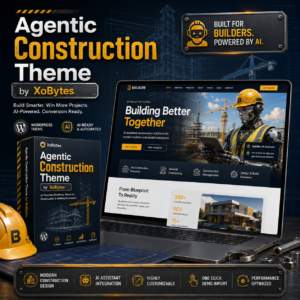
Agentic Construction Theme | More than just a theme | Built for all trades
Upfront price$49.99
Why You Need This Theme And Plugin! Click here for the Demo Agentic Construction Theme by XoBytes is…

In today's competitive construction landscape, having effective strategies is crucial for success. Moreover, leveraging the right digital tools can significantly enhance your operations. One standout solution is the Agentic Construction Theme. This WordPress theme is designed specifically for contractors and offers a…
In today’s competitive construction landscape, having effective strategies is crucial for success. Moreover, leveraging the right digital tools can significantly enhance your operations. One standout solution is the Agentic Construction Theme. This WordPress theme is designed specifically for contractors and offers a comprehensive suite of features that streamline project management and improve client engagement.
As the construction industry continues to evolve, it is essential to stay ahead of the trends. Therefore, this article will explore the top construction industry strategies and highlight the best WordPress theme for contractors, the Agentic Construction Theme.
To thrive in the construction industry, companies must adopt effective strategies that enhance efficiency and project outcomes. Here are some of the top strategies to consider:
For example, integrating a sophisticated website solution can greatly improve how you handle client inquiries and project showcases.
The Agentic Construction Theme is more than just a WordPress theme; it is a complete solution tailored for contractors. Here’s why it stands out:
To experience these benefits, consider checking out the Agentic Construction Theme today!
As a result of advancements in technology, automation has become a game-changer in the construction industry. Here are some automation tools that can enhance your operations:
By integrating these tools with the Agentic Construction Theme, contractors can significantly improve their operational efficiency.
In conclusion, staying competitive in the construction industry requires adopting effective strategies and leveraging the right tools. The Agentic Construction Theme is an excellent choice for contractors looking to enhance their online presence and streamline their operations. Therefore, if you’re ready to take your construction business to the next level, explore the Agentic Construction Theme today!
As the construction industry faces increasing scrutiny regarding its environmental impact, incorporating sustainable practices has become essential. Here are some strategies to consider:
Data analytics can provide valuable insights into project performance, client behavior, and operational efficiency. Here’s how you can leverage data analytics:
For a practical companion to this section, explore Effective Lead Generation Strategies for Contractors Using WordPress and Automation Tools.
Safety is paramount in the construction industry. Implementing robust safety protocols can protect your workforce and reduce liability. Consider the following:
Why You Need This Theme And Plugin! Click here for the Demo Agentic Construction Theme by XoBytes is…
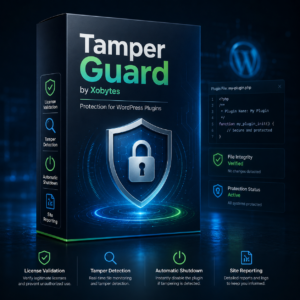
Protect your commercial WordPress plugins with license-based tamper detection, file integrity monitoring, automatic shutdown protection, and site reporting.…
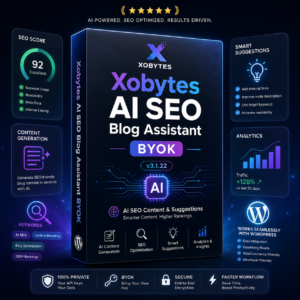
Turn your WordPress site, Google Search Console data, and SEO opportunities into smarter blog posts, pages, titles, meta…
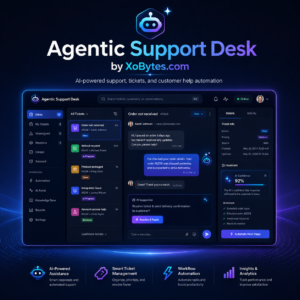
Agentic Support Desk by Xobytes is an AI-powered WordPress support desk built for software sellers, WooCommerce stores, agencies,…

Plugin Update Server by XoBytes lets WordPress plugin sellers deliver private plugin updates directly to customer dashboards. Upload…

Xobytes Social Autopilot is a WordPress social media autoposter that helps schedule and promote posts, pages, WooCommerce products,…
Product 1 of 6
Successful construction projects often rely on effective collaboration with subcontractors. Here are strategies to foster strong relationships:
Selecting the appropriate project management tools can significantly enhance efficiency. Here are key considerations when choosing tools:
Examining real-world examples can provide insights into effective strategies. Here are two case studies:
For additional authoritative context, review Get your AI blog generator here!.
A mid-sized construction firm adopted sustainable practices by using eco-friendly materials and pursuing LEED certification. This not only reduced their environmental impact but also attracted environmentally conscious clients, leading to a 30% increase in project inquiries.
Another contractor implemented data analytics to track project KPIs. By analyzing this data, they identified inefficiencies in their workflow, which led to a 15% reduction in project completion time and a significant increase in client satisfaction.
Continue with Why Agentic Construction Theme Is the Ultimate Solution for Project Management for additional guidance.
In addition to having a solid online presence, construction companies must also implement effective marketing strategies to stand out in a crowded market. Here are some practical marketing strategies that can yield significant results:
When selecting software and tools to support your construction business, consider the following criteria to ensure they meet your operational needs:
Building a network within the construction industry can open doors to new opportunities and collaborations. Here are some ways to enhance your networking efforts:
Gathering and analyzing client feedback is essential for improving your services and maintaining client satisfaction. Here are some steps to effectively utilize client feedback:
What are the latest trends in the construction industry for 2026?
The construction industry in 2026 is increasingly adopting automation, digital project management tools, and AI-driven solutions to improve efficiency, safety, and client engagement.
How can WordPress themes like the Agentic Construction Theme benefit construction businesses?
The Agentic Construction Theme offers built-in features for lead capture, project showcase, and client communication, helping construction companies create professional websites that attract and convert visitors.
What automation tools are recommended for construction project management?
Tools like the Agentic Construction Theme integrate automation features for workflow management, lead generation, and website optimization, streamlining daily operations for contractors.