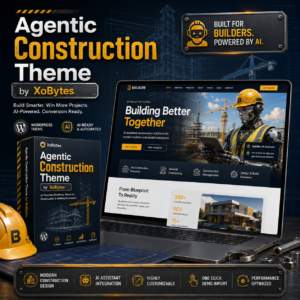
Agentic Construction Theme | More than just a theme | Built for all trades
Upfront price$49.99
Why You Need This Theme And Plugin! Click here for the Demo Agentic Construction Theme by XoBytes is…
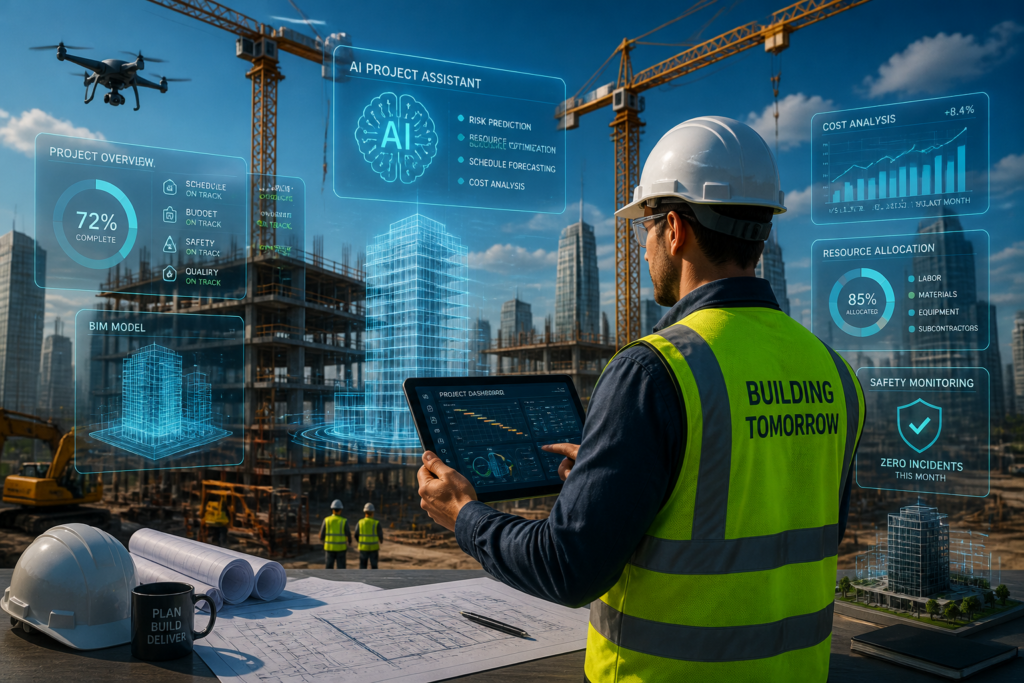
In today's rapidly evolving construction industry, integrating technology is no longer optional; it is essential. AI tools are at the forefront of this transformation, revolutionizing construction project management. These innovative solutions streamline workflows, enhance safety protocols, and improve design accuracy. To truly…
In today’s rapidly evolving construction industry, integrating technology is no longer optional; it is essential. AI tools are at the forefront of this transformation, revolutionizing construction project management. These innovative solutions streamline workflows, enhance safety protocols, and improve design accuracy. To truly harness the power of AI, consider utilizing the Agentic Construction Theme, which is designed to optimize project management for construction businesses.
AI tools for construction offer a range of benefits that can significantly improve operational efficiency. For example, they facilitate better resource allocation and enable real-time monitoring of project progress. This not only helps in adhering to timelines but also in managing costs effectively. Moreover, the integration of AI can lead to enhanced communication among team members, clients, and stakeholders, fostering collaboration and transparency.
AI technology is transforming various sectors, and construction is no exception. The construction industry faces unique challenges, including tight deadlines, budget constraints, and the need for precise project execution. AI tools address these challenges by automating routine tasks, analyzing vast amounts of data, and providing actionable insights. Consequently, construction firms can make informed decisions quickly, ultimately leading to improved project outcomes.
To better understand how AI tools are revolutionizing construction project management, let’s explore some key applications:
To make this easier, many construction firms are turning to comprehensive solutions like the Agentic Construction Theme. This powerful WordPress tool integrates AI features that enhance project management capabilities, making it an essential asset for any construction business.
The Agentic Construction Theme is more than just a WordPress theme; it is a complete solution designed specifically for the construction industry. Priced at $49.99, it provides a range of features that streamline project management and enhance business automation. Here’s how it can benefit your construction firm:
This theme is suitable for all trades and can significantly enhance your online presence while improving project management capabilities. However, it is not designed for those looking for a simple blog or personal website; it is tailored for businesses that require robust project management solutions.
Many construction firms have already begun to reap the benefits of AI tools. For instance, a leading construction company implemented AI for project scheduling and reported a 20% reduction in project delays. Similarly, another firm used AI-powered safety monitoring tools and saw a significant decrease in workplace accidents.
For a practical companion to this section, explore Best Construction Project Management Software and WordPress Solutions.
These success stories illustrate the tangible benefits of adopting AI technology in construction. By leveraging these tools, firms can not only improve efficiency but also enhance safety and project outcomes.
While the benefits of AI tools are clear, there are challenges to consider. Implementation requires proper training and a shift in company culture. Additionally, some firms may be hesitant due to the initial investment costs. However, the long-term savings and efficiency gains often outweigh these initial hurdles.
Why You Need This Theme And Plugin! Click here for the Demo Agentic Construction Theme by XoBytes is…
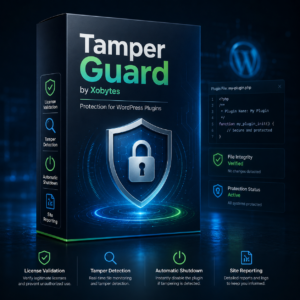
Protect your commercial WordPress plugins with license-based tamper detection, file integrity monitoring, automatic shutdown protection, and site reporting.…
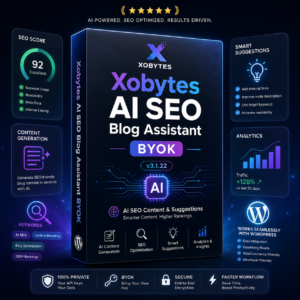
Turn your WordPress site, Google Search Console data, and SEO opportunities into smarter blog posts, pages, titles, meta…

Xobytes Social Autopilot is a WordPress social media autoposter that helps schedule and promote posts, pages, WooCommerce products,…
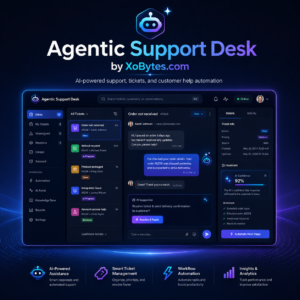
Agentic Support Desk by Xobytes is an AI-powered WordPress support desk built for software sellers, WooCommerce stores, agencies,…

AgentShield is a WordPress AI Agent Firewall that helps detect, monitor, block, and temporarily ban AI crawlers, AI…
Product 1 of 6
For additional authoritative context, review Get your AI blog generator here!.
To successfully integrate AI tools into your construction project management processes, consider the following steps:
Continue with Top Construction Project Management Tools to Boost Efficiency in 2026 for additional guidance.
When selecting AI tools for construction management, it’s essential to compare different options based on key features and capabilities. Here are some factors to consider:
Several construction firms have successfully implemented AI tools, demonstrating their effectiveness in real-world scenarios:
As AI technology continues to evolve, several trends are expected to shape the future of construction project management:
As you explore the role of AI in construction, you may have some questions. Here are answers to a few common inquiries:
AI tools in construction enhance project management efficiency, improve safety protocols, increase design precision, and facilitate better resource allocation, leading to faster project completion and reduced costs.
The Agentic Construction Theme provides a comprehensive WordPress platform for building professional construction websites, automating lead capture, and integrating AI tools to streamline workflows, improve client engagement, and grow your business.
Yes, many AI tools are scalable and customizable, making them suitable for small to large construction firms looking to improve efficiency, safety, and online lead generation.
In conclusion, AI tools are revolutionizing construction project management by enhancing efficiency, safety, and overall project outcomes. By integrating solutions like the Agentic Construction Theme, construction firms can stay competitive in this rapidly evolving landscape. Don’t miss out on the opportunity to transform your business—consider implementing AI tools and the Agentic Construction Theme today!