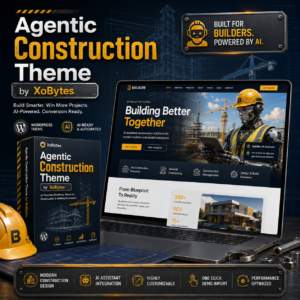
Agentic Construction Theme | More than just a theme | Built for all trades
Upfront price$49.99
Why You Need This Theme And Plugin! Click here for the Demo Agentic Construction Theme by XoBytes is…
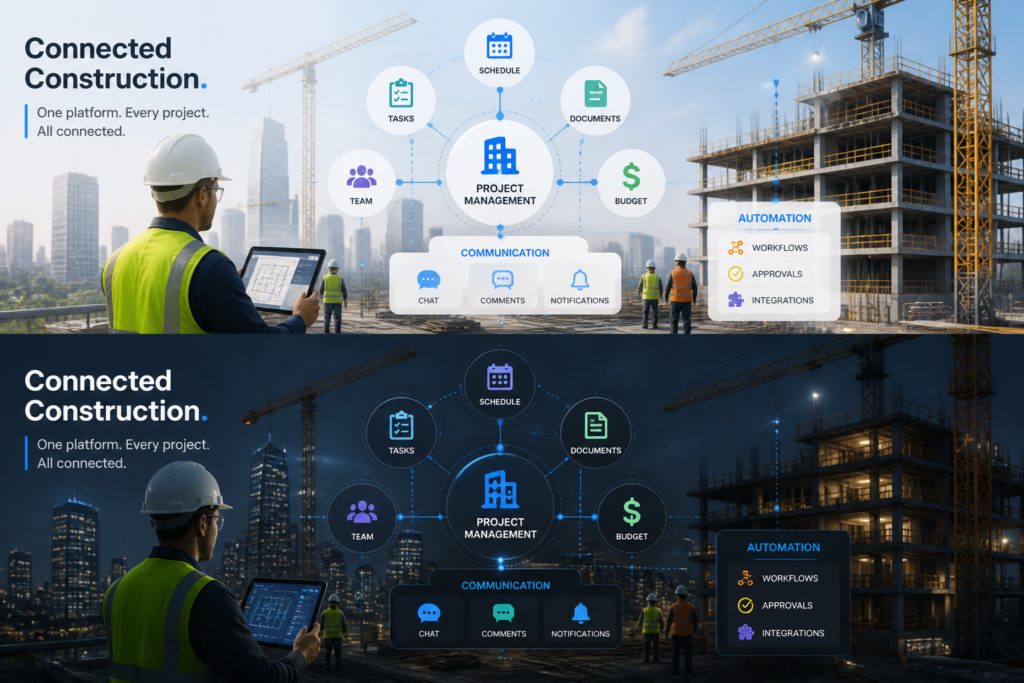
In the fast-paced world of construction, having the right internal business software is essential for success. Contractors face numerous challenges, from managing projects to maintaining efficient communication with teams and clients. Fortunately, solutions like the Agentic Construction Theme offer comprehensive tools designed…
In the fast-paced world of construction, having the right internal business software is essential for success. Contractors face numerous challenges, from managing projects to maintaining efficient communication with teams and clients. Fortunately, solutions like the Agentic Construction Theme offer comprehensive tools designed specifically for this industry. With a focus on automation and efficiency, these tools can significantly enhance your business operations.
In 2026, the demand for effective internal business software continues to grow, making it crucial for contractors to adopt the best solutions available. Not only do these tools streamline operations, but they also improve project management and boost overall productivity. In this article, we will explore the best internal business software for construction contractors, focusing on how they can transform your business.
Internal business software is designed to help construction contractors manage their operations more effectively. These tools can automate various processes, allowing contractors to focus on what they do best — building and managing projects. Here are some key reasons why investing in internal business software is a smart decision:
To make this easier, here are some of the best internal business software solutions available for construction contractors in 2026:
The Agentic Construction Theme is a powerful WordPress theme specifically designed for contractors. It provides a suite of features that streamline operations, including:
For just $49.99, the Agentic Construction Theme is an all-in-one solution that enhances productivity and efficiency for contractors.
Many contractors benefit from dedicated project management software that allows for detailed planning and tracking. These tools often include Gantt charts, task assignments, and budget tracking to ensure projects stay on schedule and within budget.
Client management systems help contractors maintain relationships with clients by providing tools for tracking communications, managing contracts, and handling invoicing. This ensures a smooth workflow and enhances client satisfaction.
Specialized accounting software for construction businesses can simplify financial management. These tools allow contractors to manage budgets, track expenses, and generate financial reports tailored to the construction industry.
Choosing the right software can make a significant difference in your construction business. The Agentic Construction Theme stands out for several reasons:
Because of its wide-ranging capabilities, the Agentic Construction Theme is suitable for all types of trades, from general contractors to specialized subcontractors.
To explore the full potential of the Agentic Construction Theme and see how it can transform your business, visit this link today.
In conclusion, the best internal business software for construction contractors in 2026 includes solutions like the Agentic Construction Theme, which provides a robust set of tools tailored to the unique needs of the construction industry. By investing in these software solutions, contractors can streamline their operations, improve efficiency, and ultimately grow their businesses.
When selecting the best internal business software for construction, it’s essential to compare various options based on specific criteria. Below is a comparative analysis of some leading software solutions, including their strengths and weaknesses.
Implementing new internal business software can be a daunting task, but following these steps can help ensure a smooth transition:
Why You Need This Theme And Plugin! Click here for the Demo Agentic Construction Theme by XoBytes is…
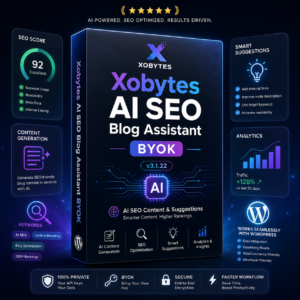
Turn your WordPress site, Google Search Console data, and SEO opportunities into smarter blog posts, pages, titles, meta…
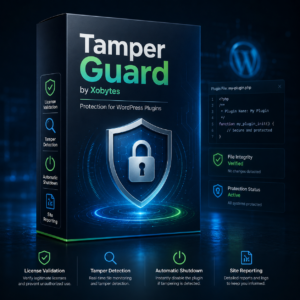
Protect your commercial WordPress plugins with license-based tamper detection, file integrity monitoring, automatic shutdown protection, and site reporting.…
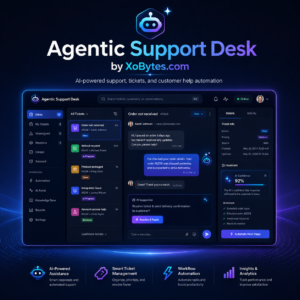
Agentic Support Desk by Xobytes is an AI-powered WordPress support desk built for software sellers, WooCommerce stores, agencies,…

Xobytes Social Autopilot is a WordPress social media autoposter that helps schedule and promote posts, pages, WooCommerce products,…

Plugin Update Server by XoBytes lets WordPress plugin sellers deliver private plugin updates directly to customer dashboards. Upload…
Product 1 of 6
To illustrate the effectiveness of internal business software in the construction industry, consider the following practical examples:
A mid-sized contracting firm implemented the Agentic Construction Theme to centralize communication. By utilizing its integrated chat feature, team members were able to collaborate in real-time, reducing project delays caused by miscommunication.
A large construction company adopted dedicated project management software to track multiple projects simultaneously. With Gantt charts and task assignments, the firm improved its project delivery time by 20%, showcasing the impact of effective project management tools.
When selecting internal business software, consider the following criteria to make an informed decision:
For additional authoritative context, review Get your AI blog generator here!.
The construction industry is continuously evolving, and so is the software that supports it. Here are some emerging trends that contractors should keep an eye on:
For construction contractors, integrating internal business software with other tools can enhance functionality and streamline workflows. Consider the following integrations:
To illustrate the impact of effective internal business software, let’s look at a case study:
Continue with Top Internal Business Software Solutions for Contractors in 2026 for additional guidance.
Company: XYZ Construction
Challenge: XYZ Construction faced difficulties in project tracking and communication among team members, leading to delays and budget overruns.
Solution: The company implemented a combination of the Agentic Construction Theme and dedicated project management software. They focused on integrating these tools with their existing CRM and accounting systems.
Results: Within six months, XYZ Construction reported:
Once you’ve implemented internal business software, it’s essential to measure its effectiveness. Here are some KPIs to consider:
Here are some common questions about internal business software for construction contractors:
Construction-specific automation software, integrated internal business solutions like the Agentic Construction Theme, and project management tools are among the most effective for streamlining operations and increasing productivity.
Automation tools can automate workflows, streamline project management, improve lead generation, and enhance communication, saving time and reducing errors across your construction operations.
Yes, the Agentic Construction Theme is designed to be versatile and adaptable for all trades, providing comprehensive features to manage projects, leads, and website automation efficiently.