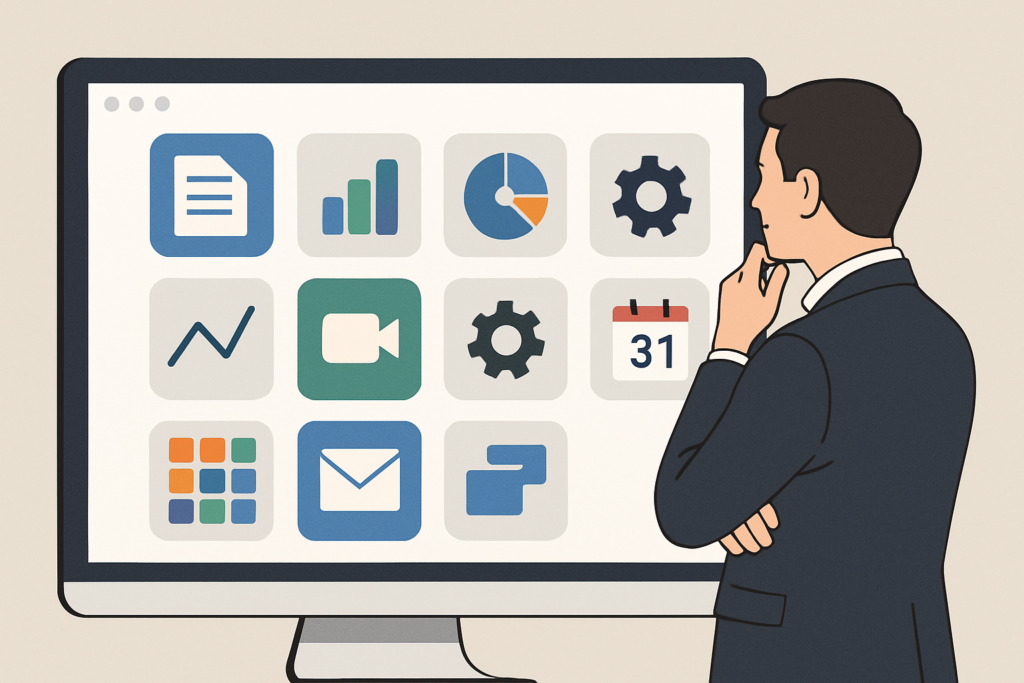
Choosing the right software is crucial for any business aiming to streamline operations and boost productivity. Off-the-shelf software often stands out as a popular choice due to its ready availability and cost-effectiveness. However, understanding its benefits and drawbacks is essential before making a purchasing decision.
In this article, we will explore what off-the-shelf software is, its advantages and disadvantages, and when it might be better to consider custom software solutions. Moreover, we will guide you on how to evaluate these options in the context of your business needs.
What Is Off-the-Shelf Software?
First, it is important to define off-the-shelf software. This type of software is a pre-built, ready-to-use product designed for a broad audience and general business needs. Unlike custom software, it is developed to serve common functions across multiple industries or business types.
Because it is standardized, off-the-shelf software can be quickly deployed and often comes with established support and regular updates. Examples include popular accounting software, customer relationship management (CRM) tools, and productivity suites.
Benefits of Off-the-Shelf Software
For example, many businesses opt for off-the-shelf software because it offers several key advantages:
- Lower Upfront Costs: Generally, off-the-shelf software has a lower initial purchase price compared to custom-built solutions. This makes it an attractive option for small to medium-sized businesses with limited budgets.
- Faster Deployment: Since the software is already developed, you can implement it quickly without waiting for lengthy development cycles. This allows your team to start benefiting from the software almost immediately.
- Established Support and Updates: Vendors typically provide ongoing support, security patches, and feature updates. This reduces the burden on your internal IT team and ensures your software remains up to date.
- Proven Reliability: Because many users have tested the software, bugs and issues are usually identified and resolved early, leading to a more stable and reliable product.
Drawbacks of Off-the-Shelf Software
At the same time, off-the-shelf software has some limitations that businesses should consider carefully:
- Limited Customization: While some off-the-shelf products offer basic customization, they generally cannot be tailored extensively to fit unique business workflows or specialized requirements.
- Potential Feature Overload or Gaps: These products may include features you don’t need, increasing complexity. Conversely, they might lack specific functions crucial to your business.
- Integration Challenges: Off-the-shelf software may not integrate smoothly with your existing systems, causing inefficiencies or requiring additional middleware.
- Licensing and Scalability Constraints: Some software licenses restrict user numbers or usage scenarios, which can become costly or limiting as your business grows.
When to Choose Custom Software Over Off-the-Shelf
In contrast, custom software is developed specifically to meet your business’s unique needs. Therefore, it offers greater flexibility and can be designed to integrate seamlessly with your existing workflows and systems.
Businesses should consider custom software when:
- Unique Features Are Required: If your business processes are specialized, off-the-shelf solutions may not suffice.
- Scalability Is Critical: Custom software can be built to grow with your business without licensing restrictions.
- Integration Needs Are Complex: When your software ecosystem requires tight integration, custom development often works best.
- Competitive Advantage Matters: Tailored software can provide unique capabilities that differentiate your business.
However, custom software typically involves higher upfront costs and longer development times. Therefore, weighing these factors against your business priorities is essential.
Can Off-the-Shelf Software Be Customized?
Some off-the-shelf software products offer limited customization options such as configurable settings, add-ons, or plugins. However, these customizations rarely match the depth and flexibility of custom-built solutions.
Because of this, businesses with very specific needs might find off-the-shelf customization insufficient. That said, for many companies with standard requirements, these options provide a practical balance between flexibility and cost.
Making the Right Choice for Your Business
To decide between off-the-shelf and custom software, consider your budget, timeline, required features, and growth plans. Additionally, evaluate how well potential software integrates with your current systems.
For instance, if you are looking for reliable, ready-made solutions with quick setup, exploring products like the XBS Pro Plan or the XBS Pro Plus Plan might be beneficial. These plans offer robust business tools that can help streamline operations without the complexities of custom software development.
Moreover, if you want to enhance your software capabilities with flexible packages and upgrades, consider the Upgrades, Packages & Tiers for WooCommerce plugin. This plugin allows you to create better product offers and tiered pricing directly inside WooCommerce, improving your e-commerce experience.
In addition, purchasing XBS Business Tokens can help you access advanced features and integrations within the XoBytes ecosystem, enabling smarter business automation.
Frequently Asked Questions
What is off-the-shelf software?
Off-the-shelf software is a pre-built, ready-to-use software product designed for a broad audience and general business needs.
What are the advantages of using off-the-shelf software?
Advantages include lower upfront costs, faster deployment, and established support and updates.
When should a business choose custom software over off-the-shelf?
Businesses should choose custom software when they require unique features, greater flexibility, or integration tailored to their specific workflows.
Can off-the-shelf software be customized?
Some off-the-shelf software offers limited customization options, but it generally cannot be tailored as extensively as custom-built software.
Ultimately, understanding the trade-offs between off-the-shelf and custom software will help you select the best solution for your business. If you want to explore more about improving your business software and automation, visit XoBytes Shop for a wide range of products and tools designed to empower your operations.
Leave a Reply