
In today’s fast-paced business environment, small and medium businesses (SMBs) often look for efficient solutions to streamline their operations. One popular choice is off-the-shelf software. This type of software is ready-made and designed to meet various business needs without the need for extensive customization. In this article, we will explore real-life examples of off-the-shelf software that can significantly enhance efficiency for SMBs.
What is Off-the-Shelf Software?
Off-the-shelf software refers to pre-packaged software solutions that are available for purchase and immediate use. Unlike custom software, which is built specifically for a single organization, off-the-shelf software is designed for a broader audience. Therefore, it often comes with standardized features that can cater to various industries. Examples include popular applications like Microsoft Office, Adobe Creative Suite, and Salesforce.
Benefits of Off-the-Shelf Software
Off-the-shelf software offers several advantages, especially for SMBs:
- Cost-Effective: Typically, off-the-shelf solutions are less expensive than custom software since they spread development costs across many users.
- Quick Deployment: Businesses can implement these solutions rapidly, allowing them to start benefiting from the software almost immediately.
- Regular Updates: Vendors often provide updates and support, ensuring that the software remains functional and secure.
- Ease of Use: Many off-the-shelf products come with user-friendly interfaces, making them accessible for employees with varying levels of tech expertise.
Because of these benefits, off-the-shelf software is an attractive option for small and medium businesses looking to enhance their operational efficiency.
Real-Life Off-the-Shelf Software Examples
To illustrate how off-the-shelf software can be utilized effectively, let’s delve into some real-life examples across various industries:
For useful background on this topic, see How Businesses Leverage Off-the-Shelf Software: Insights & Examples.
1. Microsoft Office 365
Microsoft Office 365 is a suite of productivity applications that include Word, Excel, PowerPoint, and Outlook. Many SMBs use this software for document creation, data analysis, and communication. Moreover, the cloud-based version allows teams to collaborate in real time, which is invaluable for remote work.
2. QuickBooks
For financial management, QuickBooks is a leading choice among small businesses. This accounting software simplifies invoicing, expense tracking, and payroll processing. As a result, businesses can manage their finances more effectively without needing a dedicated accounting team.
3. Salesforce
Salesforce is a powerful customer relationship management (CRM) platform that helps businesses manage their sales processes. It offers tools for tracking customer interactions, managing leads, and analyzing sales data. Consequently, many SMBs use Salesforce to enhance their customer engagement strategies.
4. Shopify
For e-commerce businesses, Shopify provides a comprehensive platform to set up online stores. It includes features for payment processing, inventory management, and customer analytics. Therefore, small retailers can easily launch and manage their online presence without extensive technical knowledge.
5. Slack
Slack is a communication tool that allows teams to collaborate effectively. It offers channels for different projects, direct messaging, and file sharing. As a result, many businesses turn to Slack to improve internal communication and foster teamwork.
Choosing the Right Off-the-Shelf Software
When selecting off-the-shelf software, consider the following factors:
For a practical companion to this section, explore Top Real-World Examples of Off-the-Shelf Software for Business Efficiency.
- Business Needs: Identify the specific needs of your business and choose software that addresses those requirements.
- User-Friendliness: Ensure that the software is easy to use for your team to minimize training time.
- Integration: Check if the software can integrate with your existing systems to ensure seamless operations.
- Support and Updates: Look for software that provides ongoing support and regular updates to keep your business running smoothly.
By carefully evaluating these factors, you can choose the right off-the-shelf software that aligns with your business goals.
Industry-Specific Off-the-Shelf Software
Different industries often have unique software needs. Here are some examples of off-the-shelf software tailored to specific sectors:
- Healthcare: Electronic Health Record (EHR) systems like Epic and Cerner streamline patient management and record-keeping.
- Education: Learning Management Systems (LMS) such as Canvas and Moodle facilitate online learning and course management.
- Construction: Project management tools like Procore and Buildertrend help manage construction projects efficiently.
These specialized solutions demonstrate how off-the-shelf software can cater to the needs of various industries effectively.
Common Misconceptions About Off-the-Shelf Software
Despite the benefits, some misconceptions about off-the-shelf software may deter businesses from adopting it:
- Limited Customization: While off-the-shelf software is generally standardized, many solutions offer customizable features to fit specific business workflows.
- Incompatibility: Some businesses worry that off-the-shelf software won’t integrate with their existing systems. However, many vendors provide integration options or APIs to address this concern.
- Higher Long-Term Costs: Although initial costs are lower, businesses may fear ongoing subscription fees will add up. In contrast, the efficiency gains often outweigh these costs.
Related XoBytes Products

Agentic Construction Theme | More than just a theme | Built for all trades
$49.99
Why You Need This Theme And Plugin! Click here for the Demo Agentic Construction Theme by XoBytes is…

Agentic Consultant, Product Rep, & Customer Service Agent By XoBytes.com
$19.99
Agentic Consultant for WordPress gives your website a smart AI product rep, customer service agent, and hands-free voice…
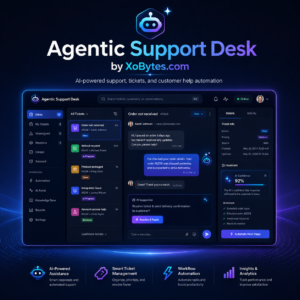
Agentic Support Desk for WordPress by XoBytes.com
$19.99
Agentic Support Desk by Xobytes is an AI-powered WordPress support desk built for software sellers, WooCommerce stores, agencies,…

Agent Shield by XoBytes | Protect against agentic software
$25.00
AgentShield is a WordPress AI Agent Firewall that helps detect, monitor, block, and temporarily ban AI crawlers, AI…
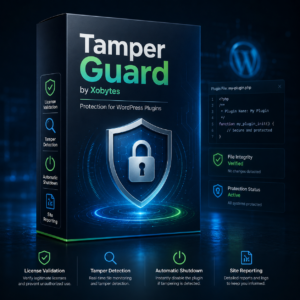
Tamper Guard by XoBytes | WordPress Plugin Tamper Detector
$25.00
Protect your commercial WordPress plugins with license-based tamper detection, file integrity monitoring, automatic shutdown protection, and site reporting.…

Plugin Update Server for WordPress by XoBytes.com
$25.00
Plugin Update Server by XoBytes lets WordPress plugin sellers deliver private plugin updates directly to customer dashboards. Upload…
Product 1 of 6
Understanding these misconceptions can help businesses make informed decisions about software solutions.
Conclusion
Off-the-shelf software provides small and medium businesses with accessible, cost-effective solutions to enhance their operations. By leveraging popular applications like Microsoft Office, QuickBooks, and Salesforce, SMBs can streamline their processes and improve efficiency. Ultimately, choosing the right off-the-shelf software can lead to significant benefits and support business growth.
Continue with What Is Off-the-Shelf Software? Definition, Benefits, and Use Cases for additional XoBytes guidance.
Implementation Steps for Off-the-Shelf Software
Implementing off-the-shelf software can be a straightforward process, but it requires careful planning to ensure a smooth transition. Here are some key steps to follow:
- Assess Your Needs: Conduct a thorough analysis of your business requirements. Identify the specific problems you want the software to solve and the features you need.
- Research Options: Explore different off-the-shelf software solutions that meet your criteria. Consider factors such as user reviews, pricing, and feature sets.
- Trial and Evaluation: Take advantage of free trials or demos offered by software vendors. This allows you to evaluate the software’s usability and functionality before making a purchase.
- Plan the Implementation: Develop a detailed implementation plan that includes timelines, resource allocation, and training schedules for your team.
- Data Migration: If applicable, prepare for data migration from your existing systems to the new software. Ensure that data integrity is maintained throughout the process.
- Training and Support: Provide training for your employees to ensure they feel comfortable using the new software. Utilize vendor support resources to address any issues that arise.
- Monitor and Optimize: After implementation, continuously monitor the software’s performance and gather feedback from users. Make adjustments as necessary to maximize its effectiveness.
Comparing Off-the-Shelf Software Options
When evaluating various off-the-shelf software solutions, it’s essential to compare them based on several criteria:
- Features: List the features that are most important for your business and compare how different software options stack up against each other.
- Cost: Analyze the pricing structure, including initial costs and ongoing fees, to determine the overall financial impact.
- User Experience: Look for software with intuitive interfaces and positive user experiences to minimize the learning curve for your team.
- Integration Capabilities: Evaluate how well each software integrates with your existing tools and systems to ensure seamless operations.
- Vendor Reputation: Research the vendor’s reputation, customer service quality, and track record for reliability and support.
Real-Life Success Stories
Many small and medium businesses have successfully implemented off-the-shelf software to enhance their operations. Here are a few examples:
- ABC Retail: This small retail store adopted Shopify to create an online presence. Within three months, their online sales increased by 40%, showcasing the platform’s effectiveness in driving e-commerce growth.
- XYZ Consulting: By using Slack for team communication, XYZ Consulting improved project collaboration and reduced email usage by 60%, leading to faster decision-making.
- 123 Construction: After implementing Procore, the construction firm streamlined project management processes, resulting in a 25% reduction in project delays.
Future Trends in Off-the-Shelf Software
The landscape of off-the-shelf software is continually evolving. Here are some trends to watch:
- AI Integration: Many software solutions are beginning to incorporate artificial intelligence to enhance functionality, such as predictive analytics and automation.
- Cloud-Based Solutions: The shift towards cloud computing continues, allowing businesses to access software from anywhere and reducing the need for on-premises installations.
- Customization Options: As demand for tailored solutions grows, many vendors are offering more customizable features within their off-the-shelf products.
- Enhanced Security Measures: With increasing cybersecurity threats, software vendors are prioritizing security features to protect user data and maintain trust.
Frequently Asked Questions
Below are some common questions about off-the-shelf software:
- What are some common examples of off-the-shelf software? Common examples include Microsoft Office, QuickBooks, Salesforce, Shopify, and Slack, which are widely used across different business sectors.
- How do off-the-shelf software solutions benefit small businesses? They offer quick deployment, lower initial costs, and ease of use, enabling small businesses to improve productivity without extensive customization.
- Can off-the-shelf software be customized for specific business needs? While generally designed for broad use, many off-the-shelf solutions offer limited customization options to better fit specific workflows.