
In today’s fast-paced business landscape, organizations often face the critical question: is custom software the right solution for their needs? As companies grow and evolve, their operational requirements can shift dramatically. Therefore, assessing business needs becomes essential to determine whether custom software development is the best path forward.
Custom software offers tailored solutions that can significantly enhance efficiency, scalability, and overall business performance. However, before diving into development, it’s crucial to evaluate specific indicators that signal the need for such a solution.
Understanding Custom Software
Custom software is designed specifically to address the unique challenges and requirements of a business. Unlike off-the-shelf solutions, which may offer general functionalities, custom software can be tailored to fit specific workflows, integrate with existing systems, and scale as the business grows.
Key Indicators Your Business Might Need Custom Software
To make an informed decision, consider the following indicators:
- Inefficient Processes: If your team spends excessive time on manual tasks, it’s a sign that existing tools may not be sufficient. Custom software can automate these processes, leading to significant time savings.
- Lack of Integration: When various systems don’t communicate effectively, it can create silos of information. Custom solutions can bridge these gaps, ensuring seamless data flow across departments.
- Scalability Challenges: If your current software struggles to accommodate growth, it may be time to consider a custom solution that can evolve with your business.
- Unique Business Requirements: If your organization has specific needs that off-the-shelf software cannot address, custom development may be the best option to provide the necessary functionalities.
- Recurring Operational Bottlenecks: Persistent issues that hinder productivity are a strong indicator that your existing software is not meeting your needs.
Benefits of Custom Software Development
Investing in custom software can yield numerous benefits for your organization. Here are some key advantages:
- Tailored Functionality: Custom software can be designed to meet the specific needs of your business, ensuring that all required features are included.
- Improved Efficiency: By automating processes and streamlining workflows, custom software can significantly enhance overall operational efficiency.
- Better Scalability: Custom solutions can grow alongside your business, making it easier to adapt to changing demands and requirements.
- Competitive Advantage: Tailored solutions can provide unique functionalities that set your business apart from competitors using generic software.
Assessing Your Business Needs
Before proceeding with custom software development, it’s essential to conduct a thorough assessment of your business needs. Here are some steps to guide you:
- Identify Pain Points: Gather feedback from stakeholders to understand the limitations of current systems and processes.
- Define Objectives: Clearly outline what you hope to achieve with custom software, such as improved efficiency, better data management, or enhanced customer experiences.
- Evaluate Budget: Determine how much you are willing to invest in custom software development and ensure it aligns with your long-term goals.
- Research Development Options: Explore potential development partners and evaluate their expertise in delivering custom solutions.
For more insights on determining when your business needs custom software, check out our article on How to Determine When Your Business Needs Custom Software Development.
Common Pitfalls to Avoid
When considering custom software development, be mindful of these common pitfalls:
- Ignoring Signs of Inefficiency: Underestimating the impact of operational bottlenecks can lead to missed opportunities for improvement.
- Underestimating Costs: Custom development can be more expensive than expected; ensure you have a clear budget and scope.
- Neglecting Stakeholder Input: Involve key stakeholders in the decision-making process to ensure the software meets the needs of all users.
- Choosing the Wrong Development Partner: Evaluate potential partners carefully to ensure they can deliver on your requirements.
Conclusion
Assessing your business needs is a crucial step in determining whether custom software is the right solution. By understanding the key indicators and benefits, you can make informed decisions that enhance your business efficiency and growth. If you’re ready to explore custom software solutions, consider our Why Your Business Needs Custom Data-Driven Software article for further insights.
Practical Examples of Custom Software Solutions
To better understand the impact of custom software, let’s explore a few practical examples across different industries:
- Healthcare: A hospital may require a custom patient management system to streamline patient admissions, track medical histories, and manage appointments. Off-the-shelf solutions might not offer the necessary integrations with existing electronic health records (EHR) systems, making custom development essential.
- Retail: A retail chain might need a custom inventory management system that integrates with their e-commerce platform, allowing real-time stock updates across physical and online stores. This can enhance customer experience by reducing the chances of stockouts.
- Education: An educational institution could benefit from a custom learning management system (LMS) tailored to their specific curriculum and assessment methods, providing a unique platform for both students and educators.
Comparing Custom Software to Off-the-Shelf Solutions
When deciding between custom software and off-the-shelf solutions, consider the following factors:
- Cost: Off-the-shelf software typically has lower upfront costs but may incur higher long-term expenses due to licensing fees. Custom software requires a larger initial investment but can lead to cost savings through improved efficiency.
- Flexibility: Custom software is designed to adapt to your unique business processes, whereas off-the-shelf solutions may require you to change your workflows to fit the software.
- Support and Maintenance: With custom software, you have direct access to the development team for support and updates. Off-the-shelf solutions often come with limited support and may require you to rely on third-party service providers.
Related XoBytes Products

Agentic Consultant, Product Rep, & Customer Service Agent By XoBytes.com
$19.99
Agentic Consultant for WordPress gives your website a smart AI product rep, customer service agent, and hands-free voice…
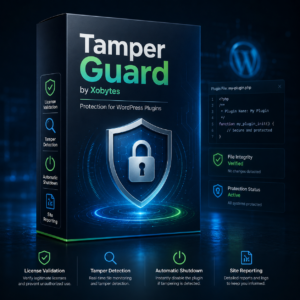
Tamper Guard by XoBytes | WordPress Plugin Tamper Detector
$25.00
Protect your commercial WordPress plugins with license-based tamper detection, file integrity monitoring, automatic shutdown protection, and site reporting.…

Agentic Construction Theme | More than just a theme | Built for all trades
$49.99
Why You Need This Theme And Plugin! Click here for the Demo Agentic Construction Theme by XoBytes is…
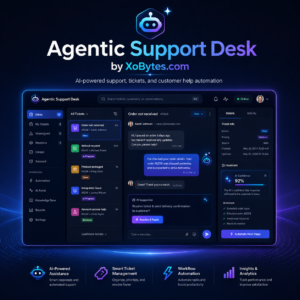
Agentic Support Desk for WordPress by XoBytes.com
$19.99
Agentic Support Desk by Xobytes is an AI-powered WordPress support desk built for software sellers, WooCommerce stores, agencies,…
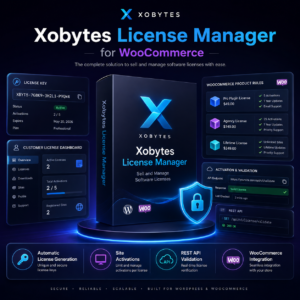
License manager for WooCommerce by XoBytes.com
$25.00
Xobytes License Manager for WooCommerce is a powerful WooCommerce license manager plugin that lets you sell software licenses,…
Product 1 of 6
Implementation Steps for Custom Software Development
Once you’ve decided to pursue custom software, follow these implementation steps to ensure a smooth development process:
- Requirement Gathering: Collaborate with stakeholders to document all functional and non-functional requirements. This will serve as the foundation for your software development project.
- Prototyping: Develop a prototype or wireframe of the software to visualize its layout and functionalities. This allows stakeholders to provide feedback before full development begins.
- Development: Work closely with your development team to build the software according to the gathered requirements. Regular check-ins and updates will help keep the project on track.
- Testing: Conduct thorough testing to identify and resolve any issues before the software goes live. This includes unit testing, integration testing, and user acceptance testing (UAT).
- Deployment: Once testing is complete, deploy the software in a controlled environment. Monitor its performance and gather user feedback to make any necessary adjustments.
- Training and Support: Provide training for users to ensure they are comfortable with the new system. Establish a support plan to address any ongoing issues or enhancements.
Decision Criteria for Choosing Custom Software
When evaluating whether to invest in custom software, consider the following decision criteria:
Continue with Understanding Custom Software Development: When and Why Your Business Needs It for additional XoBytes guidance.
- Business Goals: Align the software development project with your strategic business objectives to ensure it supports long-term growth.
- User Experience: Prioritize the user experience by involving end-users in the design process to create a solution that is intuitive and meets their needs.
- Long-Term Viability: Assess the long-term viability of the solution, considering factors such as scalability, maintainability, and integration capabilities with future technologies.
Decision Criteria for Custom Software Development
When evaluating whether to invest in custom software, consider the following decision criteria to ensure you make an informed choice:
- Business Objectives Alignment: Ensure that the custom software aligns with your overarching business goals. This includes improving customer satisfaction, increasing revenue, or enhancing operational efficiency.
- Long-term Viability: Assess whether the solution will remain relevant as your business evolves. Consider future trends and how the software can adapt to changing market conditions.
- User Experience: Evaluate how the software will impact end-users. A solution that enhances user experience can lead to higher adoption rates and better overall performance.
- Integration Capabilities: Determine how well the custom software can integrate with existing systems and tools. Seamless integration can prevent data silos and improve workflow efficiency.
Practical Implementation Tips
Implementing custom software can be a complex process. Here are some practical tips to ensure a successful rollout:
- Engage Stakeholders Early: Involve key stakeholders from the beginning to gather insights and ensure their needs are met throughout the development process.
- Establish Clear Milestones: Set clear milestones and deadlines to track progress and maintain accountability among the development team.
- Iterative Development: Consider using an agile development approach, which allows for iterative feedback and adjustments throughout the project lifecycle.
- Comprehensive Training: Provide thorough training sessions for all users to help them understand the new system, which can lead to smoother adoption.
Comparative Analysis of Custom vs. Off-the-Shelf Software
To further clarify the differences between custom and off-the-shelf software, consider the following comparative analysis:
| Criteria | Custom Software | Off-the-Shelf Software |
|---|---|---|
| Initial Cost | Higher initial investment | Lower upfront cost |
| Customization | Highly customizable to specific needs | Limited customization options |
| Scalability | Designed to grow with your business | May require upgrades or replacements to scale |
| Support | Direct support from developers | Limited support, often through third parties |
| Updates | Tailored updates based on business needs | Regular updates but may not align with specific needs |
Real-World Success Stories
Examining real-world success stories can provide valuable insights into the potential benefits of custom software:
- Logistics Company: A logistics firm developed a custom software solution that optimized route planning and inventory management. As a result, they reduced delivery times by 30% and improved customer satisfaction ratings.
- Financial Services: A financial services provider created a custom client management system that integrated with their existing databases. This led to a 25% increase in client retention due to improved service delivery and personalized communication.
- Manufacturing: A manufacturing company implemented a custom production tracking system that provided real-time insights into production metrics. This initiative decreased downtime by 15% and increased overall productivity.
Frequently Asked Questions
Here are some common questions related to assessing business needs for custom software:
What are the main signs that suggest my business needs custom software?
Indicators include inefficient manual processes, lack of integration between systems, scalability challenges, unique business requirements, and recurring operational bottlenecks.
How does custom software benefit small and medium-sized businesses?
Custom software provides tailored functionality, improved efficiency, better scalability, and a competitive edge by aligning precisely with your business needs.
When is the right time to start developing custom software?
It's ideal to consider custom development when off-the-shelf solutions no longer meet your needs, operational inefficiencies persist, or growth demands require tailored automation.
What factors should I evaluate before deciding on custom software development?
Consider your budget, project scope, long-term goals, integration needs, available expertise, and the potential ROI of a tailored solution.
What are the main signs that suggest my business needs custom software?
Indicators include inefficient manual processes, lack of integration between systems, scalability challenges, unique business requirements, and recurring operational bottlenecks.
How does custom software benefit small and medium-sized businesses?
Custom software provides tailored functionality, improved efficiency, better scalability, and a competitive edge by aligning precisely with your business needs.
When is the right time to start developing custom software?
It's ideal to consider custom development when off-the-shelf solutions no longer meet your needs, operational inefficiencies persist, or growth demands require tailored automation.
What factors should I evaluate before deciding on custom software development?
Consider your budget, project scope, long-term goals, integration needs, available expertise, and the potential ROI of a tailored solution.