
As businesses increasingly adopt artificial intelligence (AI), understanding the costs associated with AI projects is crucial. Budgeting effectively for AI initiatives requires knowledge of various factors influencing costs and the tools available to estimate them. In this article, we will explore AI cost estimation, providing insights into tools and tips for budgeting AI projects.
What is AI Cost Estimation?
AI cost estimation involves analyzing the potential expenses associated with implementing AI solutions. This process is essential for businesses looking to allocate resources wisely and ensure successful project outcomes. Understanding the various costs associated with AI, including API pricing models, is key to effective budgeting.
Factors Influencing AI Costs
Several factors can significantly impact the cost of AI projects. To help you grasp these elements, consider the following:
- Usage Volume: The more data you process, the higher the costs. Many AI services charge based on usage metrics.
- Complexity of Tasks: More complex tasks generally require advanced algorithms, which can increase costs.
- Provider Pricing Models: Different providers offer varying pricing structures, such as pay-as-you-go or subscription plans.
- Specific Features: Custom features or integrations can add to the overall expenses.
AI Cost Calculators: A Practical Tool
To estimate AI costs accurately, many businesses turn to AI cost calculators. These tools simplify the budgeting process by allowing users to input specific parameters and receive estimated costs. XoBytes offers an AI cost calculator designed to help businesses estimate their AI API expenses effectively.
Tips for Budgeting AI Projects
When budgeting for AI projects, consider the following tips:
- Define Your Goals: Clearly outline the objectives of your AI project. This clarity will help you understand the resources required.
- Research Pricing Models: Familiarize yourself with different pricing models offered by AI providers. This knowledge will help you choose the most cost-effective solution.
- Utilize Cost Calculators: Leverage tools like XoBytes’ AI cost calculator to get a better understanding of potential expenses.
- Monitor Usage: Keep track of your API usage to avoid unexpected charges. Many providers offer dashboards to help you manage this effectively.
- Explore Tiered Plans: Consider selecting tiered plans that allow for scaling as your needs grow.
By following these tips, you can ensure that your AI projects remain within budget while still achieving your desired outcomes.
Understanding AI Pricing Models
To effectively budget for AI projects, it is essential to understand the various pricing models that AI providers offer. Here are some common models:
- Pay-As-You-Go: This model charges based on actual usage, making it suitable for projects with fluctuating demands.
- Subscription-Based: A fixed monthly fee grants access to specific AI services, offering predictability in budgeting.
- Tiered Pricing: Users can choose from various tiers based on their needs, allowing for flexibility and scalability.
Common AI Cost Estimation Tools
Many tools are available to assist in estimating AI costs. Here are a few popular options:
- XoBytes AI Cost Calculator: A user-friendly tool that helps businesses estimate AI API costs effectively.
- Google Cloud Pricing Calculator: Ideal for estimating costs associated with Google Cloud AI services.
- Azure Pricing Calculator: Useful for estimating Microsoft Azure AI service costs.
Conclusion
Understanding AI cost estimation is crucial for successfully budgeting AI projects. By leveraging the right tools and following best practices, businesses can navigate the complexities of AI expenses effectively. For more insights on budgeting software projects, consider reading our article on Understanding Software Development Pricing.
Practical Examples of AI Cost Estimation
To better understand AI cost estimation, let’s look at a couple of practical examples:
Example 1: Chatbot Implementation
A retail company wants to implement a chatbot to enhance customer service. They estimate the following costs:
- API Costs: $0.002 per interaction, with an expected volume of 10,000 interactions per month, leading to a monthly cost of $20.
- Development Costs: Hiring a developer for 40 hours at $50/hour totals $2,000.
- Maintenance Costs: Ongoing support and updates estimated at $500/month.
The total estimated cost for the first month would be approximately $2,520.
Example 2: Image Recognition for E-commerce
An e-commerce platform wants to integrate image recognition to enhance product searches. They outline their costs as follows:
- API Costs: $0.01 per image processed, with an anticipated processing of 5,000 images per month, resulting in $50.
- Development Costs: 60 hours of development at $60/hour, totaling $3,600.
- Training Costs: Data preparation and model training estimated at $1,000.
- Monthly Maintenance Costs: Estimated at $300.
In this scenario, the total first-month cost would be around $5,950.
Comparing AI Cost Estimation Tools
When selecting an AI cost estimation tool, consider the following criteria:
- User Interface: Look for tools that offer a clean and intuitive interface, making it easier to input data and interpret results.
- Customization Options: Choose tools that allow you to customize parameters to fit your specific project needs.
- Integration Capabilities: Ensure the tool can integrate with your existing project management or budgeting software.
- Accuracy of Estimates: Research user reviews and case studies to gauge the accuracy of the tool’s cost predictions.
Related XoBytes Products
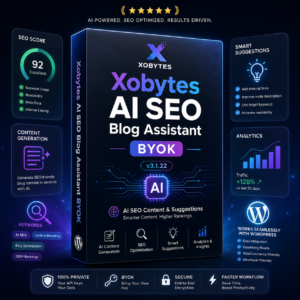
AI SEO Data & Automatic Blog Writer for WordPress by XoBytes
$19.99
Turn your WordPress site, Google Search Console data, and SEO opportunities into smarter blog posts, pages, titles, meta…

Agentic Construction Theme | More than just a theme | Built for all trades
$49.99
Why You Need This Theme And Plugin! Click here for the Demo Agentic Construction Theme by XoBytes is…
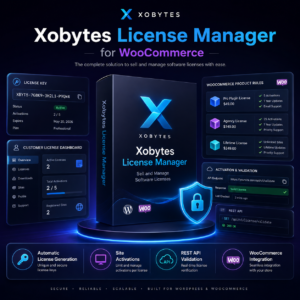
License manager for WooCommerce by XoBytes.com
$25.00
Xobytes License Manager for WooCommerce is a powerful WooCommerce license manager plugin that lets you sell software licenses,…

Plugin Update Server for WordPress by XoBytes.com
$25.00
Plugin Update Server by XoBytes lets WordPress plugin sellers deliver private plugin updates directly to customer dashboards. Upload…
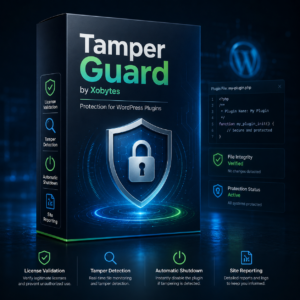
Tamper Guard by XoBytes | WordPress Plugin Tamper Detector
$25.00
Protect your commercial WordPress plugins with license-based tamper detection, file integrity monitoring, automatic shutdown protection, and site reporting.…

Upgrades, Packages & Tiers for WooCommerce By XoBytes.com
$25.00
This is a FREEMIUM plugin. Get the free version “Upgrades, Packages & Tiers for WooCommerce By XoBytes.com” Pro…
Product 1 of 6
By evaluating these factors, you can select the most suitable cost estimation tool for your AI project.
Implementation Steps for AI Cost Estimation
To effectively implement AI cost estimation in your budgeting process, follow these steps:
- Define Project Scope: Clearly outline the objectives, deliverables, and timeline of your AI project.
- Identify Cost Components: List all potential cost components, including development, deployment, and ongoing maintenance.
- Research Provider Options: Investigate different AI service providers and their pricing models to find the best fit.
- Utilize Cost Estimation Tools: Input your project parameters into selected cost estimation tools to get a clearer picture of potential expenses.
- Review and Adjust: Regularly review your estimates against actual spending and adjust your budget as necessary.
By following these steps, you can create a robust budgeting framework for your AI initiatives.
Decision Criteria for Selecting AI Services
When choosing AI services for your project, consider the following decision criteria:
- Cost vs. Value: Assess whether the service’s cost aligns with the value it brings to your project.
- Scalability: Ensure that the service can scale with your business needs as they grow.
- Support and Documentation: Look for services that provide comprehensive support and documentation to assist you during implementation.
- Reputation and Reliability: Research the provider’s reputation in the industry and seek feedback from other users.
By applying these decision criteria, you can make informed choices that will contribute to the success of your AI projects.
Common Pitfalls in AI Cost Estimation
When budgeting for AI projects, it’s important to be aware of common pitfalls that can lead to underestimating costs. Here are a few to watch out for:
Continue with How to Calculate AI API Costs: A Practical Guide for Businesses for additional XoBytes guidance.
- Overlooking Hidden Costs: Many businesses focus solely on direct costs, such as API fees and development expenses, neglecting hidden costs like data storage, processing fees, or additional software licenses.
- Ignoring Maintenance and Support: AI projects require ongoing maintenance and support, which can significantly impact the budget if not accounted for from the outset.
- Underestimating Data Preparation: The cost of data cleaning, preparation, and labeling can be substantial, especially for projects that require large datasets.
Long-Term Budgeting Strategies for AI Projects
AI projects often require a long-term investment. Here are some strategies to ensure your budgeting remains sustainable over time:
- Establish a Contingency Fund: Set aside a percentage of your budget as a contingency fund to cover unexpected costs or overruns.
- Review and Revise Periodically: Regularly review your budget against actual expenditures and revise your estimates based on real-world data and experiences.
- Invest in Training: Allocate funds for training your team on AI tools and technologies, which can lead to more efficient project management and reduced reliance on external vendors.
Case Study: Successful AI Project Budgeting
To illustrate effective budgeting for AI projects, let’s consider a case study of a healthcare provider implementing an AI-driven patient management system:
Project Overview
The healthcare provider aimed to streamline patient scheduling and improve resource allocation using AI. Their estimated budget included:
- API Costs: $0.005 per patient interaction, with an expected volume of 15,000 interactions per month, totaling $75.
- Development Costs: 80 hours of development at $70/hour, leading to $5,600.
- Data Preparation: Estimated at $2,000 for cleaning and organizing patient data.
- Ongoing Maintenance: Estimated at $800/month for support and updates.
Total Estimated Costs
For the first month, the total estimated costs would be approximately $8,475. By carefully tracking expenses and adjusting their budget as needed, the healthcare provider successfully implemented the AI system within their financial constraints.
Conclusion
By being aware of common pitfalls, applying long-term budgeting strategies, and learning from successful case studies, businesses can enhance their approach to AI cost estimation and ensure their projects are both financially viable and successful.
Frequently Asked Questions
Here are some common questions related to AI cost estimation:
- What factors influence the cost of AI APIs? AI API costs depend on usage volume, the complexity of tasks, provider pricing models, and specific features required for your project.
- How accurate are AI cost calculators in estimating expenses? AI cost calculators provide estimates based on input parameters but actual costs may vary depending on real-world usage and provider billing policies.
- Can I reduce AI API costs without sacrificing performance? Yes, optimizing API usage, selecting tiered plans, and monitoring consumption can help control costs while maintaining performance.
- Are there affordable AI API options for small businesses? Many providers offer scalable plans suitable for small businesses, and cost calculators can help compare options to find the most cost-effective solution.