Understanding software development pricing is crucial for businesses aiming to manage their budgets effectively. In this article, we will explore key factors that influence software development costs and provide practical tips for accurate cost estimation.
Key Factors Influencing Software Development Pricing
When it comes to software development, various factors can affect the overall pricing. Understanding these factors will help you make informed decisions. Here are some of the most significant:
- Project Complexity: More complex projects typically require more time and resources, leading to higher costs. For example, a simple mobile app may cost significantly less than a comprehensive enterprise system.
- Scope of Work: The broader the scope, the more expensive the project. Clearly defining the project scope helps control costs.
- Technology Stack: The choice of technology can impact costs. Some technologies require specialized skills, which can drive up prices.
- Team Expertise: Experienced developers may charge more, but they often deliver higher quality work quicker, potentially saving costs in the long run.
- Development Duration: Longer projects incur higher costs due to ongoing labor and resource allocation.
By understanding these factors, businesses can better prepare for the financial implications of their software projects.
Common Software Development Pricing Models
There are several common pricing models used in software development. Each model has its advantages and disadvantages, depending on the project’s nature and requirements. Here are a few:
- Fixed-Price Model: This model involves a set price for the entire project. It’s beneficial for projects with well-defined scopes. However, any changes can lead to additional costs.
- Time and Materials Model: In this model, clients pay for the actual time spent and materials used. This is useful for projects where the scope may evolve over time.
- Dedicated Team Model: This model involves hiring a dedicated team of developers for a specific period. It allows for flexibility but can be more expensive.
Choosing the right pricing model is essential for aligning expectations and managing costs effectively.
For useful background on this topic, see How Much Does Custom Software Development Cost?.
Cost Estimation Tips
Accurate cost estimation is vital for budgeting and planning. Here are some tips to help you estimate software development costs:
- Define Project Requirements: Clearly outline what you need. This includes functionalities, user experience, and design elements.
- Break Down Features: Divide the project into smaller features or modules. This makes it easier to estimate costs and timelines.
- Consult with Developers: Engage with developers early in the process. Their insights can provide valuable information regarding potential challenges and costs.
- Consider Ongoing Maintenance: Factor in costs for future updates and maintenance. Software requires regular updates to stay functional and secure.
By following these tips, businesses can achieve more accurate cost estimates and better manage their budgets.
Negotiation Strategies for Software Development Costs
Negotiating software development costs can be challenging. However, effective negotiation can lead to better terms and savings. Here are some strategies:
- Do Your Research: Understand industry standards for pricing and what factors influence costs. This knowledge will strengthen your negotiating position.
- Be Transparent: Clearly communicate your budget constraints and project requirements. Transparency fosters trust and can lead to better negotiation outcomes.
- Consider Long-Term Partnerships: If you foresee ongoing projects, emphasize the potential for long-term collaboration. This can lead to more favorable pricing.
- Be Open to Compromise: Flexibility can facilitate negotiations. Be prepared to adjust your project scope or timeline for better pricing.
Effective negotiation can significantly impact your project’s overall cost and success.
Conclusion
Understanding software development pricing is essential for effective budgeting and project management. By considering key factors, choosing the right pricing model, and employing effective cost estimation and negotiation strategies, businesses can navigate the complexities of software development with confidence.
Practical Examples of Software Development Cost Estimation
Understanding software development pricing can be abstract without real-world examples. Here are a few scenarios that illustrate how different factors can influence costs:
For a practical companion to this section, explore Understanding Custom Software Development: When and Why Your Business Needs It.
Example 1: A Simple Mobile Application
A startup wants to develop a simple mobile application for a local restaurant. The app will feature a menu, online ordering, and customer reviews. The estimated cost breakdown is as follows:
- Project Complexity: Low complexity with basic features.
- Scope of Work: Defined clearly with three main functionalities.
- Technology Stack: Utilizes common frameworks, reducing development costs.
- Team Expertise: A small team of junior developers.
- Estimated Cost: $15,000 – $25,000.
Example 2: A Comprehensive Enterprise System
An established company seeks to develop a comprehensive enterprise resource planning (ERP) system. This project involves multiple integrations and complex functionalities. The estimated cost breakdown is:
Related XoBytes Products

Agentic Consultant, Product Rep, & Customer Service Agent By XoBytes.com
$19.99
Agentic Consultant for WordPress gives your website a smart AI product rep, customer service agent, and hands-free voice…
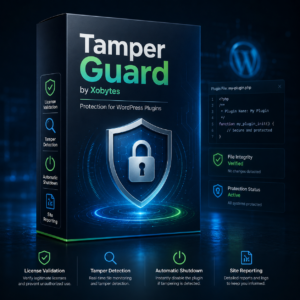
Tamper Guard by XoBytes | WordPress Plugin Tamper Detector
$25.00
Protect your commercial WordPress plugins with license-based tamper detection, file integrity monitoring, automatic shutdown protection, and site reporting.…
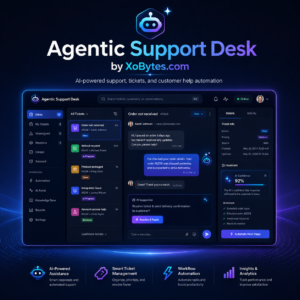
Agentic Support Desk for WordPress by XoBytes.com
$19.99
Agentic Support Desk by Xobytes is an AI-powered WordPress support desk built for software sellers, WooCommerce stores, agencies,…
- Project Complexity: High complexity with numerous features.
- Scope of Work: Broad, requiring extensive documentation and planning.
- Technology Stack: Advanced technologies requiring specialized skills.
- Team Expertise: A mix of senior and mid-level developers.
- Estimated Cost: $200,000 – $500,000.
Comparing Pricing Models: Pros and Cons
Choosing the right pricing model can significantly impact the project’s success. Here’s a comparison of the three common pricing models:
Fixed-Price Model
- Pros:
- Predictable budgeting.
- Clear timelines and deliverables.
- Cons:
- Limited flexibility for changes.
- Potential for scope creep if not managed well.
Time and Materials Model
- Pros:
- Flexibility to adapt to changes.
- Pay for actual work done.
- Cons:
- Less predictable costs.
- Requires ongoing management to control expenses.
Dedicated Team Model
- Pros:
- Full control over the team and project.
- Ideal for long-term projects requiring continuous development.
- Cons:
- Higher overall costs.
- Requires effective management of the team.
Implementation Steps for Cost Estimation
To ensure accurate cost estimation, follow these implementation steps:
- Gather Stakeholder Input: Involve all relevant stakeholders to gather insights on requirements and expectations.
- Conduct Market Research: Analyze similar projects and their costs to benchmark your estimates.
- Create a Detailed Project Plan: Outline each phase of the project, including timelines and deliverables.
- Engage with Development Teams: Discuss your project with potential developers to gain insights into their pricing and expertise.
- Review and Revise Estimates: Regularly revisit your estimates as the project evolves to ensure they remain accurate.
Decision Criteria for Selecting a Development Partner
When selecting a software development partner, consider the following decision criteria:
- Experience and Expertise: Look for partners with a proven track record in similar projects.
- Communication Skills: Effective communication is crucial for project success.
- Technical Proficiency: Ensure the team is skilled in the technologies relevant to your project.
- Flexibility and Adaptability: Choose a partner who can adapt to changes in project scope or requirements.
- Client References and Reviews: Check feedback from previous clients to gauge satisfaction and reliability.
Practical Examples of Software Development Cost Estimation
Understanding software development pricing can be abstract without real-world examples. Here are a few scenarios that illustrate how different factors can influence costs:
Continue with Understanding Custom Software Development: When and Why Your Business Needs It for additional XoBytes guidance.
Example 1: A Simple Mobile Application
A startup wants to develop a simple mobile application for a local restaurant. The app will feature a menu, online ordering, and customer reviews. The estimated cost breakdown is as follows:
- Project Complexity: Low complexity with basic features.
- Scope of Work: Defined clearly with three main functionalities.
- Technology Stack: Utilizes common frameworks, reducing development costs.
- Team Expertise: A small team of junior developers.
- Estimated Cost: $15,000 – $25,000.
Example 2: A Comprehensive Enterprise System
An established company seeks to develop a comprehensive enterprise resource planning (ERP) system. This project involves multiple integrations and complex functionalities. The estimated cost breakdown is:
- Project Complexity: High complexity with numerous features.
- Scope of Work: Broad, requiring extensive documentation and planning.
- Technology Stack: Advanced technologies requiring specialized skills.
- Team Expertise: A mix of senior and mid-level developers.
- Estimated Cost: $200,000 – $500,000.
Implementation Steps for Cost Estimation
To ensure accurate cost estimation, follow these implementation steps:
- Gather Stakeholder Input: Involve all relevant stakeholders to gather insights on requirements and expectations.
- Conduct Market Research: Analyze similar projects and their costs to benchmark your estimates.
- Create a Detailed Project Plan: Outline each phase of the project, including timelines and deliverables.
- Engage with Development Teams: Discuss your project with potential developers to gain insights into their pricing and expertise.
- Review and Revise Estimates: Regularly revisit your estimates as the project evolves to ensure they remain accurate.
Decision Criteria for Selecting a Development Partner
When selecting a software development partner, consider the following decision criteria:
- Experience and Expertise: Look for partners with a proven track record in similar projects.
- Communication Skills: Effective communication is crucial for project success.
- Technical Proficiency: Ensure the team is skilled in the technologies relevant to your project.
- Flexibility and Adaptability: Choose a partner who can adapt to changes in project scope or requirements.
- Client References and Reviews: Check feedback from previous clients to gauge satisfaction and reliability.
Frequently Asked Questions
Here are some common questions regarding software development pricing:
- What are the main factors influencing software development costs? Key factors include project complexity, scope, technology stack, team expertise, and development duration.
- What are common software development pricing models? Typical models include fixed-price, time and materials, and dedicated team or staff augmentation models.
- How can I estimate the cost of a custom software project? Estimate by defining project requirements, breaking down features, consulting with developers, and considering ongoing maintenance costs.
- What are the benefits of understanding software development pricing early? Early understanding helps in budget planning, avoiding surprises, and negotiating better terms with developers or agencies.