
In today’s fast-paced technological landscape, understanding software development pricing is crucial for businesses aiming to manage their budgets effectively. This guide will delve into various pricing models, key factors influencing costs, and practical budgeting tips that can help you make informed decisions.
Understanding Software Development Pricing Models
Software development pricing models can significantly impact the overall cost of your project. Therefore, it’s essential to understand these models before embarking on your software journey. Here are the most common pricing models:
- Fixed-Price Model: In this model, the project cost is agreed upon upfront. It is suitable for projects with well-defined requirements and a clear scope. However, any changes may lead to additional charges.
- Time and Materials Model: This model charges based on the actual time spent and resources used. It offers flexibility, making it ideal for projects where requirements may evolve over time.
- Dedicated Team Model: Here, a team of developers is assigned to your project. You pay for their time, but you have more control over the project direction and can adjust as needed.
For a more detailed look at these models, check out our article on Understanding Software Development Pricing: Key Factors and Cost Estimation Tips.
Key Factors Influencing Software Development Costs
Several factors can affect the cost of software development. Understanding these can help you budget more effectively:
- Project Complexity: More complex projects require more time and resources, leading to higher costs.
- Scope: The broader the scope, the more features and functionalities will need to be developed, increasing costs.
- Technology Stack: Different technologies have varying costs associated with them, which can influence the overall budget.
- Team Expertise: Highly skilled developers may charge more, but their expertise can lead to better outcomes.
- Development Duration: Longer projects generally incur higher costs due to extended resource allocation.
Budgeting for Software Development
Budgeting for a software development project requires careful planning. Here are some practical tips:
- Define Your Requirements: Clearly outline what you need from the software. This will help in estimating costs more accurately.
- Break Down Features: List all features and functionalities. This breakdown can help in understanding the cost implications of each component.
- Consult with Developers: Get estimates from developers to gauge the market rate for your project type.
- Consider Ongoing Maintenance Costs: Don’t forget to budget for maintenance, as software requires updates and support over time.
Implementing these budgeting strategies can help you stay within your financial limits while ensuring quality development.
Negotiating Software Development Costs
Negotiating costs with developers can often be daunting. However, with the right approach, you can secure better terms:
- Be Transparent: Share your budget constraints openly with developers. This can help them tailor their proposals accordingly.
- Compare Proposals: Don’t settle for the first quote. Compare multiple proposals to find the best value for your investment.
- Discuss Payment Terms: Consider negotiating payment schedules. For example, you might suggest milestone payments based on project completion.
Conclusion
Understanding software development pricing models and budgeting effectively is crucial for the success of your project. By being aware of the key factors influencing costs and employing practical budgeting strategies, you can navigate the complexities of software development with confidence. Remember, early planning and negotiation can lead to significant savings and better project outcomes.
Comparing Pricing Models: Pros and Cons
When selecting a software development pricing model, it’s important to weigh the pros and cons of each. Here’s a detailed comparison:
Fixed-Price Model
- Pros:
- Clear budget from the outset.
- Less risk for clients if requirements are stable.
- Good for small projects with a defined scope.
- Cons:
- Limited flexibility for changes.
- Potential for lower quality if developers cut corners to stay within budget.
Time and Materials Model
- Pros:
- Flexibility to adapt to changing requirements.
- Pay only for what you use, which can lead to cost savings if managed well.
- Cons:
- Less predictability in budget management.
- Requires close monitoring to avoid runaway costs.
Dedicated Team Model
- Pros:
- High level of control over the project.
- Access to a full team of experts with diverse skills.
- Cons:
- Can be more expensive than other models if not managed properly.
- Requires effective communication and project management skills.
Key Considerations for Choosing a Pricing Model
When deciding on a pricing model, consider the following factors:
- Project Scope: If your project has a well-defined scope, a fixed-price model may be suitable. For projects with evolving requirements, consider time and materials.
- Budget Flexibility: Assess how rigid your budget is. If you have limited flexibility, a fixed-price model might be safer.
- Risk Tolerance: Determine how much risk you are willing to take on. Fixed-price models shift the risk to the developer, while time and materials place more risk on the client.
- Timeline: Consider your deadlines. If you need quick results, a dedicated team may be the best option for speed and flexibility.
Real-World Examples of Software Development Pricing Models
Understanding how different companies have utilized these pricing models can provide valuable insights. Here are a few examples:
Example 1: Fixed-Price Success
A startup wanted to develop a simple mobile app with a defined set of features. They opted for a fixed-price model, which allowed them to have a clear budget. The project was completed on time and within budget, as the requirements did not change.
Related XoBytes Products

Agentic Consultant, Product Rep, & Customer Service Agent By XoBytes.com
$19.99
Agentic Consultant for WordPress gives your website a smart AI product rep, customer service agent, and hands-free voice…

Tamper Guard by XoBytes | WordPress Plugin Tamper Detector
$25.00
Protect your commercial WordPress plugins with license-based tamper detection, file integrity monitoring, automatic shutdown protection, and site reporting.…
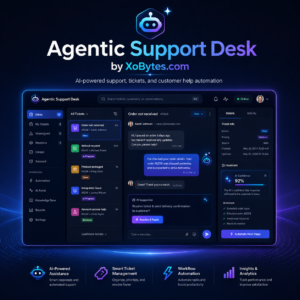
Agentic Support Desk for WordPress by XoBytes.com
$19.99
Agentic Support Desk by Xobytes is an AI-powered WordPress support desk built for software sellers, WooCommerce stores, agencies,…
For a practical companion to this section, explore Understanding Custom Software Development: When and Why Your Business Needs It.
Example 2: Adapting with Time and Materials
A mid-sized business needed a complex enterprise solution that required ongoing adjustments. They chose the time and materials model, which allowed them to iterate based on feedback throughout the development process. This flexibility resulted in a product that better met their needs.
Example 3: Dedicated Team for Long-Term Projects
A large corporation decided to build a comprehensive software suite over several years. By employing a dedicated team model, they ensured that the same developers were familiar with their evolving requirements, leading to a more cohesive product.
Implementation Steps for Effective Budgeting
To ensure effective budgeting for your software development project, follow these steps:
- Conduct a Needs Analysis: Gather input from stakeholders to identify essential features and functionalities.
- Research Market Rates: Investigate the average costs associated with your chosen pricing model and technology stack.
- Create a Detailed Budget: Include estimates for development, testing, deployment, and ongoing maintenance.
- Review and Revise: Regularly review your budget against actual spending and adjust as needed to stay on track.
Conclusion
By understanding the advantages and disadvantages of each pricing model, considering key factors, and implementing effective budgeting strategies, businesses can navigate the complexities of software development more effectively. Early planning and informed decision-making can lead to successful project outcomes and optimal resource allocation.
Common Pitfalls in Software Development Budgeting
While budgeting for software development, there are several common pitfalls that businesses should avoid to ensure a smooth process:
- Underestimating Costs: It’s easy to overlook hidden costs such as licensing fees, third-party integrations, or unexpected changes in project scope. Always include a buffer in your budget for unforeseen expenses.
- Neglecting User Feedback: Failing to incorporate user feedback during the development process can lead to costly revisions post-launch. Engage with end-users regularly to ensure the product meets their needs.
- Ignoring Maintenance and Support: Many businesses focus solely on development costs and forget to budget for ongoing maintenance. Software requires regular updates and support to remain functional and secure.
Evaluating Developer Proposals
When evaluating proposals from developers, consider the following criteria to ensure you choose the right partner:
- Experience and Portfolio: Review their past projects to assess their expertise and the quality of their work. Look for similar projects to yours.
- Technical Skills: Ensure the development team has the necessary technical skills and experience with the technology stack relevant to your project.
- Communication: Effective communication is crucial for project success. Assess their responsiveness and willingness to engage in discussions.
- Post-Launch Support: Inquire about their support policies after the project is completed. A good developer should offer maintenance and troubleshooting services.
Case Study: Budgeting for a Software Development Project
To illustrate effective budgeting practices, consider the following case study:
Continue with How Much Does Custom Software Development Cost? for additional XoBytes guidance.
A retail company wanted to develop an e-commerce platform. They started by conducting a needs analysis involving key stakeholders, which helped them identify essential features such as user accounts, payment processing, and inventory management.
Next, they researched market rates for similar projects and consulted with multiple developers to gather estimates. After comparing proposals, they selected a developer who offered a competitive rate and demonstrated strong communication skills.
Throughout the development process, the company maintained a detailed budget, tracking expenses and adjusting for any unexpected costs. They also allocated funds for user testing, which provided valuable insights that influenced the final product.
As a result, the project was completed on time and within budget, leading to a successful launch that met the company’s objectives.
Future Trends in Software Development Pricing Models
As technology continues to evolve, so do the pricing models in software development. Here are some trends to watch:
- Value-Based Pricing: Some companies are shifting towards value-based pricing, where costs are determined by the value delivered to the client rather than just time and materials.
- Subscription Models: More developers are offering subscription-based services for ongoing support and updates, allowing businesses to budget more predictably over time.
- Agile Pricing Models: With the rise of agile methodologies, pricing models that accommodate iterative development and continuous feedback are becoming more popular.
Frequently Asked Questions
Here are some common questions regarding software development pricing:
- What are the main factors influencing software development costs? Key factors include project complexity, scope, technology stack, team expertise, and development duration.
- What are common software development pricing models? Typical models include fixed-price, time and materials, and dedicated team or staff augmentation models.
- How can I estimate the cost of a custom software project? Estimate by defining project requirements, breaking down features, consulting with developers, and considering ongoing maintenance costs.
- What are the benefits of understanding software development pricing early? Early understanding helps in budget planning, avoiding surprises, and negotiating better terms with developers or agencies.