
In today’s fast-paced business environment, companies are increasingly recognizing the importance of tailored solutions to meet their unique needs. Custom software development stands out as a vital strategy for enhancing operational efficiency and driving business growth. This article serves as a comprehensive guide to custom software development and its numerous business benefits.
What is Custom Software Development?
To begin with, custom software development refers to the process of designing software applications specifically for a particular organization or user. Unlike off-the-shelf software, which is mass-produced for a broad audience, custom software is tailored to the unique requirements of a business. This means that businesses can enjoy solutions that align perfectly with their operational workflows, goals, and challenges.
Why Your Business Needs Custom Software
There are several compelling reasons why a business should consider investing in custom software development:
- Unique Business Needs: Every business has its own set of challenges. Custom software can address specific operational needs that generic software cannot.
- Enhanced Efficiency: Tailored solutions streamline processes, reduce manual work, and improve productivity.
- Scalability: As your business grows, custom software can be easily updated and scaled to meet changing demands.
- Competitive Advantage: Custom software often includes unique features that can set your business apart from competitors.
For example, a retail business might require an inventory management system that integrates seamlessly with their e-commerce platform. Off-the-shelf solutions may not provide the necessary features, whereas custom software can be developed to meet these specific needs.
For useful background on this topic, see Understanding Custom Software Development: What It Is and Why Your Business Needs It.
The Custom Software Development Process
Understanding the custom software development process is crucial for businesses considering this investment. Typically, the process involves several key stages:
- Requirement Gathering: This initial phase involves discussing the specific needs and goals of the business with stakeholders.
- Planning: After gathering requirements, developers create a detailed plan that outlines the project scope, budget, and timeline.
- Design: The design phase focuses on creating a blueprint for the software, including user interfaces and user experience considerations.
- Development: This is where the actual coding takes place, transforming designs into functional software.
- Testing: Rigorous testing ensures that the software works as intended and meets quality standards.
- Deployment: After testing, the software is deployed to the business environment.
- Maintenance: Ongoing support and updates are essential to keep the software running smoothly and efficiently.
Each of these stages is critical to the success of the project and requires careful attention to detail.
Key Benefits of Custom Software Development
Investing in custom software development offers a variety of benefits that can significantly impact a business’s bottom line:
- Cost Efficiency: Although the initial investment may be higher than off-the-shelf solutions, custom software can lead to long-term savings by reducing operational costs and inefficiencies.
- Integration with Existing Systems: Custom software can be designed to integrate seamlessly with existing tools and systems, ensuring a smoother workflow.
- Improved Security: Custom software can be built with advanced security features tailored to the specific needs of the business, offering better protection against cyber threats.
- Enhanced User Experience: Tailored solutions can provide a better user experience, leading to increased satisfaction and loyalty among customers.
Moreover, businesses can modify their custom solutions as needed, ensuring that they remain relevant and effective over time.
When to Choose Custom Software
Determining when to invest in custom software development is crucial. Here are some scenarios that indicate it may be time to consider a custom solution:
- If existing software solutions do not meet your operational needs.
- When your business has unique processes that cannot be accommodated by off-the-shelf software.
- If you are experiencing inefficiencies due to software limitations.
- When you require features that are not available in standard software.
In addition, businesses that are expanding or diversifying their operations may find that custom software can support their growth effectively.
Cost Considerations for Custom Software Development
Understanding the cost of custom software development is essential for budgeting effectively. Costs can vary widely based on several factors, including:
Related XoBytes Products

Agentic Consultant, Product Rep, & Customer Service Agent By XoBytes.com
$19.99
Agentic Consultant for WordPress gives your website a smart AI product rep, customer service agent, and hands-free voice…

Agentic Construction Theme | More than just a theme | Built for all trades
$49.99
Why You Need This Theme And Plugin! Click here for the Demo Agentic Construction Theme by XoBytes is…
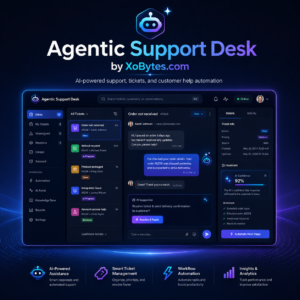
Agentic Support Desk for WordPress by XoBytes.com
$19.99
Agentic Support Desk by Xobytes is an AI-powered WordPress support desk built for software sellers, WooCommerce stores, agencies,…

Agent Shield by XoBytes | Protect against agentic software
$25.00
AgentShield is a WordPress AI Agent Firewall that helps detect, monitor, block, and temporarily ban AI crawlers, AI…
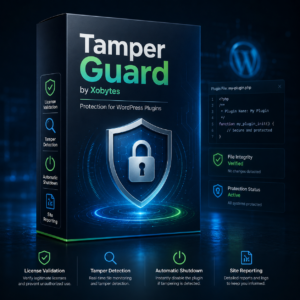
Tamper Guard by XoBytes | WordPress Plugin Tamper Detector
$25.00
Protect your commercial WordPress plugins with license-based tamper detection, file integrity monitoring, automatic shutdown protection, and site reporting.…
Product 1 of 6
- Complexity of the Project: More complex solutions typically require more time and resources, leading to higher costs.
- Development Team Location: The geographical location of the development team can impact labor costs.
- Technology Stack: The choice of technologies used can influence both development time and costs.
To make informed decisions, businesses should conduct thorough research and consider all aspects of the development process.
Conclusion
In conclusion, custom software development is an invaluable investment for businesses looking to enhance efficiency, improve customer satisfaction, and gain a competitive edge. By understanding the process, benefits, and cost considerations, organizations can make informed decisions that align with their unique needs and goals. If you are considering custom software development, now is the time to explore your options and take the next step toward transforming your business.
For further insights, check out our Comprehensive Guide to Custom Software Development.
Continue with Comprehensive Guide to Custom Software Development: Benefits, Costs, and Key Factors for additional XoBytes guidance.
Practical Examples of Custom Software Development
To better understand the impact of custom software development, consider the following practical examples across various industries:
- Healthcare: A hospital might develop a custom patient management system that integrates with existing electronic health records (EHR) to streamline patient intake, scheduling, and billing processes.
- Retail: A clothing retailer could create a custom inventory management system that provides real-time data on stock levels, integrates with their e-commerce platform, and offers predictive analytics to forecast demand.
- Finance: A financial institution may develop a custom risk management tool that analyzes market data and client portfolios to identify potential risks and automate compliance reporting.
Comparing Custom Software Development to Off-the-Shelf Solutions
When deciding between custom software and off-the-shelf solutions, it’s essential to weigh the pros and cons of each approach:
Custom Software Development
- Pros:
- Tailored to specific business needs
- Greater flexibility for future changes
- Enhanced integration capabilities
- Cons:
- Higher initial development costs
- Longer development timelines
- Requires ongoing maintenance and support
Off-the-Shelf Solutions
- Pros:
- Lower upfront costs
- Quick implementation
- Regular updates and support from the vendor
- Cons:
- Limited customization options
- May not fully address unique business needs
- Potential for compatibility issues with existing systems
Implementation Steps for Custom Software Development
Implementing custom software requires a systematic approach to ensure success. Here are the key steps involved in the implementation process:
- Define Objectives: Clearly outline what you hope to achieve with the custom software, including specific goals and key performance indicators (KPIs).
- Choose the Right Development Partner: Select a reputable software development company with experience in your industry and a proven track record.
- Develop a Prototype: Create a prototype or minimum viable product (MVP) to gather feedback from stakeholders and make necessary adjustments before full-scale development.
- Conduct User Testing: Involve end-users in testing the software to ensure it meets their needs and expectations.
- Train Your Team: Provide comprehensive training to your team on how to use the new software effectively.
- Monitor and Optimize: After deployment, continuously monitor the software’s performance and gather user feedback for ongoing improvements.
Decision Criteria for Custom Software Development
When considering custom software development, evaluate the following criteria to determine if it aligns with your business strategy:
- Business Goals: Does the software align with your long-term business objectives?
- Budget: Can your organization afford the initial investment and ongoing maintenance costs?
- Scalability: Will the software be able to grow and adapt as your business evolves?
- User Needs: Are the end-users’ requirements clearly defined and prioritized?
- Integration Capabilities: Will the software integrate seamlessly with existing systems and tools?
Frequently Asked Questions
Here are some common questions regarding custom software development:
What is custom software development?
Custom software development is the process of creating software solutions tailored specifically to a business’s unique needs, rather than using generic, off-the-shelf tools.
When should a business consider custom software development?
A business should consider custom software development when existing solutions do not meet specific operational requirements, or when tailored features can provide a competitive advantage.
What are the benefits of custom software for small businesses?
Custom software can improve efficiency, enhance customer experience, provide better integration with existing systems, and support unique business processes.
How does custom software development differ from standard software?
Unlike standard software, which is designed for a broad audience, custom software is built specifically to address the particular needs and workflows of a single business.