
In today’s rapidly evolving business landscape, many companies are turning to custom software development to meet their unique needs. This comprehensive guide explores the benefits, costs, and key factors associated with custom software development. By understanding these elements, you can make informed decisions for your organization.
What is Custom Software Development?
Custom software development refers to the process of designing and creating software tailored specifically for a particular user or organization. Unlike off-the-shelf software, which is designed for a broad audience, custom solutions cater to specific business requirements. This allows organizations to enhance efficiency, streamline processes, and achieve their unique goals.
Benefits of Custom Software Development
Custom software offers numerous advantages. Here are some of the key benefits:
- Tailored Solutions: Custom software is designed to meet the specific needs of your business, ensuring that all functionalities align with your operational processes.
- Scalability: As your business grows, custom software can be easily updated and expanded to accommodate new requirements.
- Integration: Custom solutions can seamlessly integrate with existing systems, enhancing overall efficiency.
- Competitive Advantage: By utilizing software that is uniquely suited to your business, you can gain a competitive edge in your market.
- Support and Maintenance: Custom software typically comes with dedicated support, ensuring that any issues are quickly addressed.
Understanding the Costs of Custom Software Development
Determining the cost of custom software development can be complex. Several factors influence the overall expense:
- Project Complexity: More complex projects require more time and resources, driving up costs.
- Scope: The more features and functionalities you want, the higher the cost.
- Technology Stack: The choice of technology can impact costs significantly; some technologies are more expensive to implement than others.
- Development Team Size: A larger team may be necessary for bigger projects, which can increase costs.
- Timeline: Tight deadlines may require more resources, increasing costs.
To gain a better understanding of these factors, you can check out our article on Key Factors Influencing the Cost of Custom Software Development.
Key Factors to Consider
When embarking on a custom software development project, consider the following key factors:
- Define Your Requirements: Clearly outline what you need from your software to avoid unnecessary costs later on.
- Choose the Right Development Partner: Selecting an experienced development team can make a significant difference in the quality and cost of the final product.
- Plan for Future Growth: Ensure your software can adapt to future needs to avoid costly replacements.
How to Estimate Custom Software Development Costs
Estimating costs involves several steps:
- Analyze your project requirements thoroughly.
- Define the project scope and objectives.
- Consult with experienced developers to gather insights on potential costs.
- Consider potential risks and allocate a budget accordingly.
For more details on budgeting for software projects, visit our guide on Estimating and Budgeting for Custom Software Development.
Conclusion
Custom software development is an investment that can yield significant returns for businesses willing to tailor solutions to their unique needs. By understanding the benefits, costs, and key factors involved, you can make informed decisions that enhance your operational efficiency and drive growth.
Practical Examples of Custom Software Development
To better understand the impact of custom software development, let’s explore some practical examples across various industries:
For a practical companion to this section, explore Understanding Custom Software Development: When and Why Your Business Needs It.
- Healthcare: A hospital might develop a custom patient management system that integrates with their existing electronic health records (EHR) system, allowing for real-time updates and improved patient care.
- Retail: A retail chain could create a custom inventory management system tailored to their specific supply chain processes, enabling better stock control and reducing wastage.
- Finance: A financial institution might implement a custom software solution for fraud detection that uses machine learning algorithms to analyze transaction patterns unique to their customer base.
Comparing Custom Software Development with Off-the-Shelf Solutions
When deciding between custom software and off-the-shelf solutions, it’s essential to weigh the pros and cons of each:
Custom Software Development
- Pros:
- Tailored to specific business needs.
- Greater flexibility and scalability.
- Better integration with existing systems.
- Cons:
- Higher initial investment.
- Longer development time.
- Requires ongoing maintenance and support.
Off-the-Shelf Solutions
- Pros:
- Lower upfront cost.
- Quick implementation.
- Regular updates from the vendor.
- Cons:
- May not fully meet specific business needs.
- Limited customization options.
- Potential integration challenges with existing systems.
Implementation Steps for Custom Software Development
Implementing a custom software solution involves several key steps:
- Requirement Gathering: Collaborate with stakeholders to gather detailed requirements and expectations.
- Design Phase: Create wireframes and prototypes to visualize the software’s layout and functionality.
- Development: The development team writes code based on the approved designs, focusing on best practices and quality assurance.
- Testing: Conduct thorough testing to identify and fix bugs before the software goes live.
- Deployment: Launch the software into the production environment, ensuring all systems are integrated and functional.
- Post-Launch Support: Provide ongoing maintenance and support to address any issues and implement updates as needed.
Related XoBytes Products

Agentic Consultant, Product Rep, & Customer Service Agent By XoBytes.com
$19.99
Agentic Consultant for WordPress gives your website a smart AI product rep, customer service agent, and hands-free voice…

Agentic Construction Theme | More than just a theme | Built for all trades
$49.99
Why You Need This Theme And Plugin! Click here for the Demo Agentic Construction Theme by XoBytes is…
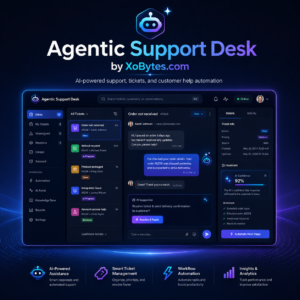
Agentic Support Desk for WordPress by XoBytes.com
$19.99
Agentic Support Desk by Xobytes is an AI-powered WordPress support desk built for software sellers, WooCommerce stores, agencies,…
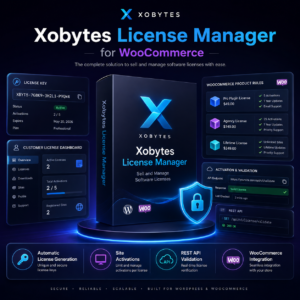
License manager for WooCommerce by XoBytes.com
$25.00
Xobytes License Manager for WooCommerce is a powerful WooCommerce license manager plugin that lets you sell software licenses,…

Agent Shield by XoBytes | Protect against agentic software
$25.00
AgentShield is a WordPress AI Agent Firewall that helps detect, monitor, block, and temporarily ban AI crawlers, AI…
Product 1 of 6
Decision Criteria for Choosing Custom Software Development
When considering custom software development, evaluate the following criteria to ensure it aligns with your business goals:
- Business Needs: Assess whether off-the-shelf solutions can meet your specific requirements.
- Budget: Determine your budget for both initial development and ongoing maintenance.
- Timeline: Consider how quickly you need the solution and whether custom development can meet that timeline.
- Long-Term Vision: Think about your business’s future needs and whether the software can scale accordingly.
- Technical Expertise: Evaluate whether your team has the necessary skills to manage and maintain custom software.
Best Practices for Custom Software Development
To ensure successful custom software development, consider implementing the following best practices:
- Agile Methodology: Adopting an agile approach allows for iterative development, enabling teams to adapt to changes and feedback throughout the project lifecycle.
- Regular Communication: Maintain open lines of communication between stakeholders, developers, and users to ensure everyone is aligned on project goals and expectations.
- User-Centric Design: Focus on the end-users by involving them in the design process. Conduct user testing to gather feedback and make necessary adjustments before final deployment.
- Documentation: Keep thorough documentation of the software development process, including requirements, design decisions, and user guides. This helps in future maintenance and onboarding new team members.
Real-World Case Studies
Examining real-world case studies can provide insights into the effectiveness of custom software solutions:
Case Study 1: Logistics Company
A logistics company faced challenges with tracking shipments and managing inventory across multiple locations. They developed a custom software solution that integrated GPS tracking and real-time inventory management. This resulted in a 30% reduction in operational costs and improved customer satisfaction due to timely deliveries.
Continue with Understanding Custom Software Development: When and Why Your Business Needs It for additional XoBytes guidance.
Case Study 2: Educational Institution
An educational institution sought to enhance student engagement and streamline administrative processes. They implemented a custom learning management system (LMS) that provided personalized learning paths, automated grading, and integrated communication tools. This led to a 40% increase in student participation and satisfaction.
Integration Considerations for Custom Software
When developing custom software, it’s crucial to consider how it will integrate with existing systems:
- API Compatibility: Ensure that your custom software can interact with existing applications through APIs. This facilitates data exchange and enhances functionality.
- Data Migration: Plan for data migration from legacy systems to the new software. This process should be carefully executed to prevent data loss.
- Testing for Integration: Conduct thorough testing to ensure that the new software works seamlessly with other systems. This includes testing for performance, security, and user experience.
Long-Term Maintenance and Support
Investing in custom software development doesn’t end with deployment. Long-term maintenance and support are essential for ensuring the software continues to meet business needs:
- Regular Updates: Schedule regular updates to incorporate new features, improve security, and optimize performance.
- User Training: Provide ongoing training for users to maximize the software’s potential and ensure they are comfortable with updates and new functionalities.
- Feedback Loop: Establish a feedback mechanism for users to report issues or suggest improvements. This helps in continuously enhancing the software.
Choosing the Right Technology Stack
The technology stack you choose for custom software development can significantly impact performance and scalability. Consider the following factors:
- Project Requirements: Assess the specific needs of your project, including performance, security, and scalability.
- Developer Expertise: Ensure your development team is skilled in the chosen technologies to avoid potential roadblocks during development.
- Community Support: Opt for technologies with strong community support and resources, which can be beneficial for troubleshooting and development.
Frequently Asked Questions
Here are some common questions about custom software development:
- What is custom software development and how does it differ from off-the-shelf solutions?
Custom software development involves creating tailored software designed specifically to meet your business’s unique needs, unlike generic off-the-shelf solutions that serve a broad audience but may lack specific functionalities. - When should a business consider investing in custom software development?
A business should consider custom software when existing solutions do not fully address its unique workflows, require scalability, or need specific features that generic tools cannot provide efficiently. - What are the main factors influencing the cost of custom software development?
Key factors include project complexity, scope, technology stack, development team size, and timeline. Understanding these helps in accurate budgeting and planning. - How can I estimate the cost of my custom software project?
Cost estimation involves analyzing project requirements, defining scope, choosing development approaches, and consulting with experienced developers to get precise quotes based on your specifications.