
In today’s rapidly evolving business landscape, organizations must adapt to stay competitive. One of the most effective ways to achieve this is through custom software development. In 2026, tailored software solutions can significantly transform your business operations, enhance efficiency, and drive growth. This article explores how custom software development can revolutionize your organization, the benefits it offers, and the critical factors to consider.
Understanding Custom Software Development
Custom software development is the process of creating software solutions specifically designed to meet the unique needs of a business. Unlike off-the-shelf solutions, which cater to a broad audience, custom software is tailored to address specific challenges and workflows. This makes it an ideal choice for organizations looking to optimize their operations.
Benefits of Custom Software Development
There are several benefits to investing in custom software development. To make this easier, let’s explore some of the most significant advantages:
For useful background on this topic, see How Custom Build Software Development Transforms Business Operations.
- Tailored Solutions: Custom software is designed to fit your business’s specific needs, ensuring that you have the right tools to achieve your goals.
- Increased Efficiency: By streamlining processes and automating repetitive tasks, custom software can significantly improve operational efficiency.
- Scalability: As your business grows, custom software can be easily modified to accommodate new requirements, ensuring that it remains relevant and effective.
- Enhanced Security: Custom solutions can be designed with specific security measures tailored to your business, reducing the risk of data breaches.
- Competitive Advantage: By leveraging custom software, businesses can gain a unique edge over competitors who rely on generic solutions.
Key Factors to Consider
When considering custom software development, it’s essential to evaluate several factors to ensure a successful project:
- Project Scope: Clearly define the objectives and requirements of your project to avoid scope creep and ensure that the final product meets your expectations.
- Technology Stack: Choose the right technologies that align with your business’s goals and ensure compatibility with existing systems.
- Development Team: Select a skilled development team with experience in creating custom solutions tailored to your industry.
- Budgeting: Understand the costs associated with custom software development, including design, development, testing, and maintenance.
How Custom Software Development Works
The process of custom software development typically involves several key stages:
- Requirement Gathering: Collaborate with stakeholders to identify the specific needs and objectives of the software.
- Design: Create wireframes and prototypes that outline the software’s functionality and user interface.
- Development: The development team builds the software according to the defined requirements and design specifications.
- Testing: Conduct thorough testing to identify and resolve any bugs or issues before deployment.
- Deployment: Launch the software and ensure that it integrates seamlessly with existing systems.
- Maintenance: Provide ongoing support and updates to keep the software running smoothly and address any emerging needs.
For example, businesses can utilize custom data to enhance their software solutions, ensuring they are built on a foundation of accurate and relevant information.
Cost Considerations
Understanding the costs associated with custom software development is crucial for budgeting and planning. The primary factors influencing cost include:
- Complexity: More complex projects require more time and resources, increasing costs.
- Development Team Size: A larger team may be needed for more extensive projects, impacting overall costs.
- Technology Choices: The selected technology stack can affect development time and costs.
To learn more about budgeting for custom software projects, check out our article on cost breakdowns.
Real-World Examples
Many businesses have successfully transformed their operations through custom software development. For instance, a retail company may develop a tailored inventory management system that streamlines stock tracking and order fulfillment. In contrast, a healthcare provider could implement a custom patient management system that enhances patient care and administrative efficiency.
Conclusion
In conclusion, custom software development can significantly transform your business in 2026 by providing tailored solutions that enhance efficiency, security, and competitive advantage. By considering the unique needs of your organization and investing in a skilled development team, you can create software that drives growth and success.
Practical Implementation Steps for Custom Software Development
Implementing custom software development effectively requires a structured approach. Here are the essential steps to guide your organization through the process:
Related XoBytes Products

Agentic Consultant, Product Rep, & Customer Service Agent By XoBytes.com
$19.99
Agentic Consultant for WordPress gives your website a smart AI product rep, customer service agent, and hands-free voice…

Agentic Construction Theme | More than just a theme | Built for all trades
$49.99
Why You Need This Theme And Plugin! Click here for the Demo Agentic Construction Theme by XoBytes is…
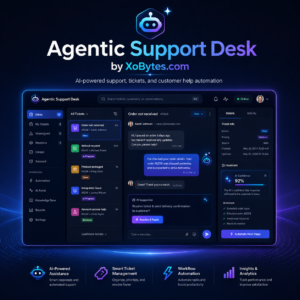
Agentic Support Desk for WordPress by XoBytes.com
$19.99
Agentic Support Desk by Xobytes is an AI-powered WordPress support desk built for software sellers, WooCommerce stores, agencies,…
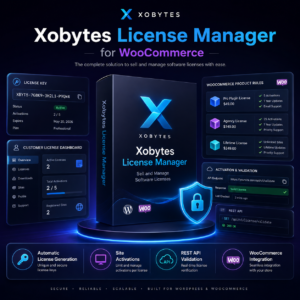
License manager for WooCommerce by XoBytes.com
$25.00
Xobytes License Manager for WooCommerce is a powerful WooCommerce license manager plugin that lets you sell software licenses,…

Agent Shield by XoBytes | Protect against agentic software
$25.00
AgentShield is a WordPress AI Agent Firewall that helps detect, monitor, block, and temporarily ban AI crawlers, AI…
Product 1 of 6
Continue with Understanding Custom Software Development: When and Why Your Business Needs It for additional XoBytes guidance.
- Define Clear Objectives: Start by identifying what you want to achieve with the custom software. This could range from improving customer engagement to automating internal processes.
- Conduct a Feasibility Study: Assess the technical and financial feasibility of the project. This includes evaluating the required resources, technologies, and potential return on investment.
- Engage Stakeholders: Involve key stakeholders from various departments to gather insights and feedback. Their input is crucial for understanding the software’s requirements and ensuring buy-in.
- Create a Project Plan: Develop a detailed project plan that outlines the timeline, milestones, and deliverables. This plan will serve as a roadmap throughout the development process.
- Prototype Development: Before full-scale development, create a prototype to visualize the software’s functionality. This allows for early feedback and adjustments based on user experiences.
- Iterative Development: Adopt an agile development approach, allowing for iterative improvements and flexibility in response to changing requirements or feedback.
- Testing and Quality Assurance: Conduct rigorous testing at various stages of development to identify and address issues early. This ensures a high-quality final product.
- Training and Support: Provide training for users to ensure they can effectively utilize the new software. Additionally, establish a support system for ongoing assistance.
- Monitor Performance: After deployment, continuously monitor the software’s performance and gather user feedback to identify areas for improvement.
Comparing Custom Software Development with Off-the-Shelf Solutions
When deciding between custom software development and off-the-shelf solutions, consider the following comparisons:
- Customization: Custom software is tailored to your specific needs, while off-the-shelf solutions may not meet all requirements.
- Cost: While custom solutions often require a higher initial investment, they can lead to long-term savings by improving efficiency and reducing operational costs.
- Scalability: Custom software can grow with your business, while off-the-shelf solutions may require additional purchases or upgrades as your needs evolve.
- Support: Custom solutions typically come with dedicated support from the development team, whereas off-the-shelf products may have limited customer service options.
- Integration: Custom software can be designed to integrate seamlessly with your existing systems, while off-the-shelf solutions may present compatibility challenges.
Real-World Case Studies of Custom Software Success
Examining real-world examples can provide valuable insights into the impact of custom software development:
- Manufacturing Sector: A manufacturing company implemented a custom software solution to manage its supply chain. The tailored system improved inventory tracking, reduced lead times, and enhanced communication with suppliers, resulting in a 20% increase in operational efficiency.
- Financial Services: A financial institution developed a custom customer relationship management (CRM) system that integrated advanced analytics to provide personalized services. This led to a 30% increase in customer satisfaction and retention rates.
- E-commerce: An e-commerce platform used custom software to create a unique shopping experience with personalized recommendations and streamlined payment processes. This innovation resulted in a 40% increase in sales conversion rates.
Decision Criteria for Choosing Custom Software Development
When considering custom software development, evaluate the following criteria to ensure it aligns with your business goals:
- Business Needs: Assess whether your current solutions adequately meet your operational needs and identify gaps that custom software could fill.
- Budget Constraints: Analyze your budget to determine if you can afford the initial investment and ongoing maintenance costs associated with custom development.
- Long-Term Vision: Consider your organization’s long-term goals and whether custom software can support your strategic direction.
- Technical Expertise: Evaluate your in-house technical capabilities. If lacking, you may need to hire external developers or partner with a software development firm.
- Market Trends: Stay informed about industry trends and technological advancements to ensure your custom solution remains competitive and relevant.
Frequently Asked Questions
Here are some common questions about custom software development:
What is custom software development and how does it differ from off-the-shelf solutions?
Custom software development involves creating tailored software designed specifically to meet your business’s unique needs, unlike generic off-the-shelf solutions that serve a broad audience but may lack specific functionalities.
When should a business consider investing in custom software development?
A business should consider custom software when existing solutions do not fully address its unique workflows, require scalability, or need specific features that generic tools cannot provide efficiently.
What are the main factors influencing the cost of custom software development?
Key factors include project complexity, scope, technology stack, development team size, and timeline. Understanding these helps in accurate budgeting and planning.
How can I estimate the cost of my custom software project?
Cost estimation involves analyzing project requirements, defining scope, choosing development approaches, and consulting with experienced developers to get precise quotes based on your specifications.