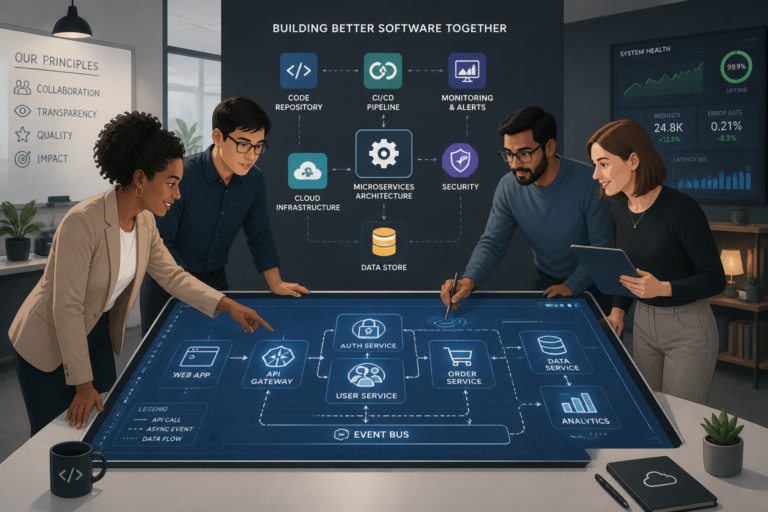
In today’s fast-paced digital landscape, businesses increasingly recognize the significance of custom software development. However, understanding the true cost of these projects and the key drivers behind them is crucial for making informed decisions. In this article, we will delve into the various factors that influence the cost of custom software development, helping you to budget effectively and set realistic expectations.
What is Custom Software Development?
Custom software development refers to the process of designing and building software applications tailored specifically to meet the unique requirements of a business or organization. Unlike off-the-shelf solutions, which are designed for a broad audience, custom software addresses specific needs, workflows, and functionalities that generic solutions may not adequately fulfill.
Why Invest in Custom Software?
Investing in custom software can provide numerous benefits, including:
- Tailored Solutions: Custom software is designed to meet your specific business needs.
- Scalability: As your business grows, custom software can be easily adapted to accommodate new requirements.
- Integration: Custom solutions can seamlessly integrate with your existing systems and processes.
- Competitive Advantage: Unique software can set your business apart from competitors using generic solutions.
Key Drivers of Custom Software Development Costs
Understanding the factors that influence the cost of custom software development is essential for effective budgeting. Here are the main drivers:
For useful background on this topic, see Understanding the True Cost of Building Custom Software Development Platforms.
1. Project Complexity
The complexity of your project significantly impacts the overall cost. More complex projects typically require more time and resources to complete. For example, projects that involve advanced functionalities, integrations, or custom user interfaces will generally be more expensive.
2. Scope of the Project
The scope defines the features and functionalities that will be included in the software. A larger scope will naturally lead to higher costs. Therefore, it is essential to clearly define your project’s scope from the beginning to avoid scope creep and unexpected expenses.
3. Technology Stack
The choice of technology stack can also influence costs. Different technologies come with varying licensing fees, development costs, and maintenance requirements. For instance, using a widely adopted framework may reduce costs due to the availability of developers and resources.
4. Development Team Size
The size and expertise of your development team will affect the overall cost. A larger team may complete the project faster, but it will also incur higher labor costs. Conversely, a smaller team may take longer to deliver, potentially increasing project timelines.
5. Timeline
Urgent projects that require a quick turnaround may incur higher costs due to the need for additional resources or overtime work. Therefore, setting realistic timelines based on your budget is crucial.
Cost Estimation Strategies
To estimate the cost of your custom software project effectively, consider the following strategies:
- Analyze Project Requirements: Gather and document all necessary requirements before starting the development process.
- Define the Scope: Clearly outline the project’s features and functionalities to avoid misunderstandings later.
- Consult with Developers: Engage with experienced developers early in the process to gain insights into potential costs.
- Choose Development Approaches: Decide whether to use Agile, Waterfall, or other methodologies that may influence costs.
To make this easier, consider utilizing cost estimation tools or templates to help guide your budgeting process.
Real-World Examples
To illustrate the cost drivers further, let’s look at a couple of hypothetical case studies:
- Case Study 1: A small retail business needs a custom inventory management system. The project scope is limited, involving basic inventory tracking and reporting features. Estimated cost: $20,000.
- Case Study 2: A mid-sized healthcare provider requires a comprehensive patient management system with advanced functionalities such as telemedicine integration and patient portals. Estimated cost: $150,000.
Common Pitfalls to Avoid
When planning your custom software project, be mindful of these common pitfalls:
- Failing to define clear project requirements and scope.
- Underestimating the time and resources required.
- Neglecting to involve stakeholders in the planning process.
- Ignoring the importance of post-launch support and maintenance.
By avoiding these pitfalls, you can ensure a smoother development process and a more successful outcome.
Conclusion
Understanding the true cost and key drivers of custom software projects is essential for any business considering this investment. By analyzing project complexity, scope, technology stack, team size, and timeline, you can make informed decisions that align with your budget and business goals. For further insights, check out our related articles on Understanding the True Cost and Key Considerations in Custom Software Development and Key Factors Influencing the Cost of Custom Software Development.
Related XoBytes Products

Agentic Consultant, Product Rep, & Customer Service Agent By XoBytes.com
$19.99
Agentic Consultant for WordPress gives your website a smart AI product rep, customer service agent, and hands-free voice…

Agentic Construction Theme | More than just a theme | Built for all trades
$49.99
Why You Need This Theme And Plugin! Click here for the Demo Agentic Construction Theme by XoBytes is…
Agentic Support Desk for WordPress by XoBytes.com
$19.99
Agentic Support Desk by Xobytes is an AI-powered WordPress support desk built for software sellers, WooCommerce stores, agencies,…
License manager for WooCommerce by XoBytes.com
$25.00
Xobytes License Manager for WooCommerce is a powerful WooCommerce license manager plugin that lets you sell software licenses,…

Agent Shield by XoBytes | Protect against agentic software
$25.00
AgentShield is a WordPress AI Agent Firewall that helps detect, monitor, block, and temporarily ban AI crawlers, AI…
Tamper Guard by XoBytes | WordPress Plugin Tamper Detector
$25.00
Protect your commercial WordPress plugins with license-based tamper detection, file integrity monitoring, automatic shutdown protection, and site reporting.…
Product 1 of 6
Continue with Understanding the True Cost to Build a Custom Software Development Platform for additional XoBytes guidance.
Implementation Steps for Custom Software Development
To successfully navigate the custom software development process, follow these key implementation steps:
- Requirement Gathering: Engage with stakeholders to collect detailed requirements. This step is crucial for understanding the specific needs and expectations of users.
- Feasibility Analysis: Assess the technical and financial feasibility of the project. This analysis should help identify potential challenges and solutions early on.
- Prototyping: Create a prototype or a minimum viable product (MVP) to validate concepts and gather user feedback. Prototyping can help in refining requirements before full-scale development.
- Development: Begin the actual coding and development process. Ensure that regular check-ins and updates are scheduled to keep stakeholders informed.
- Testing: Implement a robust testing phase that includes unit testing, integration testing, and user acceptance testing (UAT) to identify and fix any issues before launch.
- Deployment: Roll out the software to the production environment. Ensure that all users are trained and have access to necessary resources.
- Post-Launch Support: Plan for ongoing support and maintenance to address any post-launch issues and to implement updates based on user feedback.
Comparing Custom Software Development Models
When considering custom software development, businesses may choose from several development models. Here’s a comparison of some popular approaches:
- Waterfall Model: A linear approach where each phase must be completed before the next begins. This model is best for projects with clear, unchanging requirements.
- Agile Model: An iterative approach that allows for flexibility and changes throughout the development process. This model is ideal for projects where requirements may evolve based on user feedback.
- DevOps: A combined approach of development and operations that emphasizes collaboration and automation. This model is suitable for projects requiring continuous integration and delivery.
- Rapid Application Development (RAD): Focuses on quickly building prototypes and iterating based on user feedback. This model is effective for projects with tight timelines and a need for user involvement.
Decision Criteria for Choosing a Development Partner
Selecting the right development partner is crucial for the success of your custom software project. Consider the following criteria:
- Experience and Expertise: Evaluate the partner’s experience in your industry and their technical expertise in the required technologies.
- Portfolio: Review their previous work to assess quality and relevance to your project.
- Communication: Ensure that the partner has a clear communication strategy and is responsive to your needs.
- Support and Maintenance: Confirm that they offer post-launch support and maintenance services to address any ongoing issues.
- Cost Structure: Understand their pricing model and ensure it aligns with your budgetary constraints.
Long-Term Cost Considerations
When budgeting for custom software, it is essential to account for long-term costs beyond initial development. These include:
- Maintenance Costs: Regular updates and bug fixes are necessary to keep the software functional and secure.
- Hosting and Infrastructure: Consider the costs associated with hosting the software, including server fees and cloud services.
- Training Costs: Budget for training employees on how to use the new software effectively.
- Scaling Costs: As your business grows, additional features or capacity may be needed, which can incur further costs.
Frequently Asked Questions
Here are some common questions regarding custom software development:
- What is custom software development and how does it differ from off-the-shelf solutions? Custom software development involves creating tailored software designed specifically to meet your business’s unique needs, unlike generic off-the-shelf solutions that serve a broad audience but may lack specific functionalities.
- When should a business consider investing in custom software development? A business should consider custom software when existing solutions do not fully address its unique workflows, require scalability, or need specific features that generic tools cannot provide efficiently.
- What are the main factors influencing the cost of custom software development? Key factors include project complexity, scope, technology stack, development team size, and timeline. Understanding these helps in accurate budgeting and planning.
- How can I estimate the cost of my custom software project? Cost estimation involves analyzing project requirements, defining scope, choosing development approaches, and consulting with experienced developers to get precise quotes based on your specifications.