
In today’s fast-paced business environment, the need for tailored software solutions is more significant than ever. Many organizations are discovering that off-the-shelf software does not meet their unique operational needs. Therefore, investing in custom software development can be a game-changer for your business. In this article, we will explore when and why your business should invest in custom software development, the benefits it offers, and the key factors to consider.
Understanding Custom Software Development
Custom software development refers to the process of designing and creating software applications tailored specifically to the needs of a business or organization. Unlike off-the-shelf software, which is designed for a broad audience, custom software is personalized to address the unique challenges and workflows of individual businesses. This tailored approach ensures that the software meets specific requirements, enhancing efficiency and productivity.
For example, a retail business may require a custom inventory management system that integrates seamlessly with its existing point-of-sale (POS) system. In contrast, generic inventory software might not offer the necessary features or integrations.
For useful background on this topic, see Key Signs Your Business Should Invest in Custom Software Solutions.
Key Reasons to Invest in Custom Software Development
There are several compelling reasons to consider investing in custom software development:
- Tailored Solutions: Custom software is built to meet the specific needs of your business, ensuring it aligns perfectly with your operations.
- Scalability: As your business grows, custom software can be easily modified to accommodate new requirements and increased workloads.
- Competitive Advantage: Custom software can provide features and functionalities that set your business apart from competitors who rely on generic solutions.
- Integration: Custom software can be designed to integrate with existing systems, enhancing overall efficiency.
- Cost-Effectiveness: While the initial investment may be higher, custom software can reduce long-term operational costs by improving efficiency and reducing reliance on multiple software solutions.
When to Consider Custom Software Development
Identifying the right moment to invest in custom software development is crucial. Here are some indicators that it may be time for your business to consider this investment:
- Unique Business Processes: If your business has specific workflows that are not adequately supported by off-the-shelf software, it may be time to explore custom solutions.
- Growth and Scalability Needs: If your business is experiencing rapid growth, custom software can be designed to scale with your operations.
- Integration Challenges: If you face difficulties integrating different software systems, custom development can create a seamless solution.
- Increased Operational Costs: If off-the-shelf solutions are costing your business more in the long run due to inefficiencies, custom software may offer a more cost-effective alternative.
To make this easier, consider evaluating your current software solutions and identifying any gaps that hinder productivity. This assessment can guide your decision on whether to invest in custom software development.
Benefits of Custom Software Development
Investing in custom software development can lead to several significant benefits:
- Enhanced Efficiency: Custom software can streamline processes, reducing time and effort spent on routine tasks.
- Improved User Experience: Tailored solutions can provide a more intuitive user experience, increasing employee satisfaction and productivity.
- Better Data Management: Custom software can be designed to handle specific data management needs, ensuring data accuracy and security.
- Ongoing Support and Maintenance: With custom software, you have the advantage of ongoing support and maintenance tailored to your unique requirements.
Cost Considerations for Custom Software Development
When considering custom software development, it’s essential to understand the cost factors involved. Key elements that influence the cost include:
- Project Complexity: More complex projects require more time and resources, increasing costs.
- Technology Stack: The choice of technology and tools can affect development time and costs.
- Development Team Size: The size and expertise of the development team can impact the overall budget.
- Timeline: Urgent projects may incur higher costs due to expedited timelines.
Understanding these factors can help you create a realistic budget for your custom software project. For more insights on budgeting, you may refer to our article on Cost Breakdown: Building Custom Software Development Platforms for Business Success.
Choosing the Right Development Partner
Selecting the right development partner is crucial for the success of your custom software project. Here are some tips to help you make the right choice:
Related XoBytes Products

Agentic Consultant, Product Rep, & Customer Service Agent By XoBytes.com
$19.99
Agentic Consultant for WordPress gives your website a smart AI product rep, customer service agent, and hands-free voice…

Agentic Construction Theme | More than just a theme | Built for all trades
$49.99
Why You Need This Theme And Plugin! Click here for the Demo Agentic Construction Theme by XoBytes is…
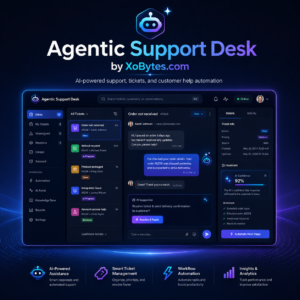
Agentic Support Desk for WordPress by XoBytes.com
$19.99
Agentic Support Desk by Xobytes is an AI-powered WordPress support desk built for software sellers, WooCommerce stores, agencies,…
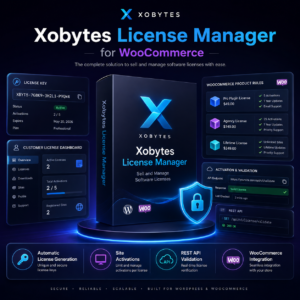
License manager for WooCommerce by XoBytes.com
$25.00
Xobytes License Manager for WooCommerce is a powerful WooCommerce license manager plugin that lets you sell software licenses,…

Agent Shield by XoBytes | Protect against agentic software
$25.00
AgentShield is a WordPress AI Agent Firewall that helps detect, monitor, block, and temporarily ban AI crawlers, AI…
Product 1 of 6
- Evaluate Experience: Look for a partner with a proven track record in custom software development and relevant industry experience.
- Check References: Ask for references from previous clients to gauge their satisfaction and the quality of work.
- Discuss Communication: Ensure that the development team communicates effectively and understands your business needs.
- Consider Post-Launch Support: Choose a partner that offers ongoing support and maintenance after the software is launched.
Conclusion
Investing in custom software development can provide significant advantages for your business, from tailored solutions to improved efficiency. By understanding when to invest and the key benefits involved, you can make informed decisions that drive your business forward. If you believe your business is ready for this investment, take the time to assess your current software needs and explore potential development partners.
Implementation Steps for Custom Software Development
Investing in custom software development is a strategic decision that requires careful planning and execution. Here are the essential steps to guide you through the implementation process:
Continue with Comprehensive Guide to Custom Software Development: Benefits, Costs, and Key Factors for additional XoBytes guidance.
- Define Your Objectives: Clearly outline the goals you aim to achieve with the custom software. Consider factors such as efficiency, user experience, and specific functionalities that will benefit your business.
- Conduct a Needs Assessment: Analyze your current workflows and software solutions to identify gaps and inefficiencies. This assessment will help you articulate your requirements to the development team.
- Choose the Right Technology Stack: Collaborate with your development partner to select the appropriate technologies that align with your business needs and future scalability.
- Develop a Prototype: Before full-scale development, create a prototype or minimum viable product (MVP) to validate your concept and gather feedback from stakeholders.
- Iterative Development: Utilize an agile development approach, allowing for continuous feedback and adjustments throughout the development process. This ensures that the final product aligns closely with your expectations.
- Testing and Quality Assurance: Conduct thorough testing to identify and resolve any issues before the software goes live. This step is crucial to ensure a smooth user experience.
- Launch and Monitor: After successful testing, launch the software. Monitor its performance closely and be prepared to make adjustments based on user feedback.
Comparing Custom Software Development with Off-the-Shelf Solutions
When deciding between custom software and off-the-shelf solutions, it’s essential to understand the key differences and how they can impact your business:
| Criteria | Custom Software Development | Off-the-Shelf Solutions |
|---|---|---|
| Customization | Highly customizable to meet specific business needs | Limited customization options |
| Cost | Higher initial investment, potentially lower long-term costs | Lower upfront cost, but ongoing licensing fees may accumulate |
| Scalability | Designed to grow with your business | May require additional purchases or upgrades as you scale |
| Integration | Built to integrate seamlessly with existing systems | Integration may be challenging or limited |
| Support | Ongoing support tailored to your software | General support that may not address specific issues |
Decision Criteria for Custom Software Development
Before committing to custom software development, consider the following decision criteria to ensure it aligns with your business strategy:
- Business Objectives: Does custom software align with your long-term business goals and strategies?
- User Needs: Will the software significantly improve the user experience for your employees or customers?
- Budget Constraints: Are you prepared for the initial investment, and do you have a plan for long-term costs?
- Timeframe: Can you afford the time needed for development, testing, and implementation?
- Future Growth: Is your business likely to change or grow in a way that custom software can accommodate?
By carefully evaluating these criteria, you can make a more informed decision about whether to invest in custom software development.
Frequently Asked Questions
Here are some common questions related to custom software development:
- What is custom software development and how does it differ from off-the-shelf solutions?
- Custom software development involves creating tailored software designed specifically to meet your business’s unique needs, unlike generic off-the-shelf solutions that serve a broad audience but may lack specific functionalities.
- When should a business consider investing in custom software development?
- A business should consider custom software when existing solutions do not fully address its unique workflows, require scalability, or need specific features that generic tools cannot provide efficiently.
- What are the main factors influencing the cost of custom software development?
- Key factors include project complexity, scope, technology stack, development team size, and timeline. Understanding these helps in accurate budgeting and planning.
- How can I estimate the cost of my custom software project?
- Cost estimation involves analyzing project requirements, defining scope, choosing development approaches, and consulting with experienced developers to get precise quotes based on your specifications.