
In today’s rapidly evolving business landscape, companies are constantly seeking ways to enhance their efficiency and competitiveness. One significant strategy is investing in custom software solutions. However, how can you determine if your business is ready for this investment? In this article, we will explore the key signs that indicate your business should invest in custom software solutions.
Understanding Custom Software Solutions
Custom software is designed specifically to meet the unique needs of a business. Unlike off-the-shelf solutions, which are generic and may not fully address specific challenges, custom software provides tailored functionalities that align with your business processes. This adaptability can lead to improved efficiency, better scalability, and a competitive edge in your industry.
Key Signs Your Business Should Invest in Custom Software Solutions
Identifying the right time to invest in custom software can be challenging. Here are some key indicators that suggest your business should consider this investment:
For useful background on this topic, see How Custom Made Software Differs from Off-the-Shelf Solutions: Key Comparisons and Business Benefits.
- Inefficient Manual Processes: If your team spends considerable time on manual tasks that could be automated, this is a clear sign that custom software could enhance productivity.
- Lack of Integration: When your existing systems do not communicate effectively, it can lead to data silos. Custom software can integrate various functions, streamlining operations.
- Scalability Challenges: As your business grows, you may find that existing software solutions cannot scale with your needs. Custom software can be designed to grow alongside your business.
- Unique Business Requirements: If your business has specific needs that off-the-shelf software cannot meet, custom solutions can be tailored to address these unique requirements.
- Recurring Operational Bottlenecks: Frequent delays or inefficiencies in your processes suggest that your current software may not be adequate. Custom solutions can eliminate these bottlenecks.
The Benefits of Custom Software
Investing in custom software offers numerous advantages:
- Tailored Functionality: Custom software is built to meet the specific needs of your business, ensuring that it supports your operations effectively.
- Improved Efficiency: By automating manual tasks and streamlining workflows, custom software can significantly enhance productivity.
- Better Scalability: Custom solutions can be designed with scalability in mind, allowing them to grow with your business.
- Competitive Edge: Tailored software can give your business a unique advantage over competitors who rely on generic solutions.
- Enhanced Data Security: Custom software can incorporate advanced security measures, ensuring that your business data is protected.
Evaluating the Need for Custom Software
To determine if your business should invest in custom software, consider the following steps:
- Analyze Current Processes: Assess your existing workflows and identify areas where inefficiencies exist.
- Gather Stakeholder Input: Involve key stakeholders in discussions about system limitations and requirements.
- Evaluate Existing Tools: Determine if your current software solutions meet your scalability and customization needs.
- Consider Budget and ROI: Analyze the potential return on investment and whether the benefits justify the costs.
For more insights on custom software, you can check our post on Custom Made Software: Key Advantages and When to Invest.
Real-World Examples
Many businesses have successfully transitioned to custom software solutions. For instance, a mid-sized logistics company faced challenges with tracking shipments using generic software. By investing in a custom solution, they streamlined their tracking processes, which resulted in improved delivery times and customer satisfaction.
Similarly, a retail business found that their existing point-of-sale system could not accommodate their unique sales processes. After implementing custom software, they experienced a significant reduction in transaction times and improved inventory management.
Conclusion
Investing in custom software solutions can significantly enhance your business operations. By recognizing the key signs that indicate a need for tailored software, you can make informed decisions that drive efficiency and growth. If you’re still unsure, consider consulting with a software development expert to discuss your specific needs.
Related XoBytes Products

Agentic Consultant, Product Rep, & Customer Service Agent By XoBytes.com
$19.99
Agentic Consultant for WordPress gives your website a smart AI product rep, customer service agent, and hands-free voice…
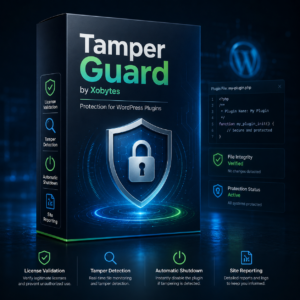
Tamper Guard by XoBytes | WordPress Plugin Tamper Detector
$25.00
Protect your commercial WordPress plugins with license-based tamper detection, file integrity monitoring, automatic shutdown protection, and site reporting.…

Agentic Construction Theme | More than just a theme | Built for all trades
$49.99
Why You Need This Theme And Plugin! Click here for the Demo Agentic Construction Theme by XoBytes is…
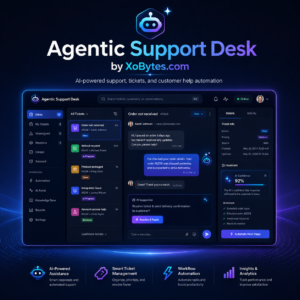
Agentic Support Desk for WordPress by XoBytes.com
$19.99
Agentic Support Desk by Xobytes is an AI-powered WordPress support desk built for software sellers, WooCommerce stores, agencies,…
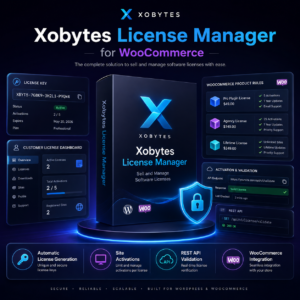
License manager for WooCommerce by XoBytes.com
$25.00
Xobytes License Manager for WooCommerce is a powerful WooCommerce license manager plugin that lets you sell software licenses,…
Product 1 of 6
Implementation Steps for Custom Software Solutions
Once you’ve determined that your business is ready to invest in custom software, following a structured implementation process is crucial for success. Here are the key steps to consider:
Continue with Custom Software Explained: Tailored Solutions for Business Efficiency for additional XoBytes guidance.
- Define Your Requirements: Begin by gathering input from all stakeholders to outline the specific functionalities and features needed in the software.
- Research Development Partners: Look for reputable software development companies with experience in your industry. Review their portfolios and client testimonials.
- Develop a Project Plan: Collaborate with your development team to create a detailed project plan that includes timelines, milestones, and budget estimates.
- Prototype and Feedback: Request a prototype or wireframe of the software early in the development process. Gather feedback from users to make necessary adjustments.
- Testing and Quality Assurance: Conduct thorough testing to identify and resolve any bugs or issues before launching the software.
- Training and Support: Provide training for your team to ensure they understand how to use the new software effectively. Establish ongoing support channels for troubleshooting.
- Launch and Monitor: After launching the software, monitor its performance and gather user feedback to make continuous improvements.
Comparing Custom Software with Off-the-Shelf Solutions
When considering software solutions, it’s essential to understand the differences between custom software and off-the-shelf solutions. Here’s a comparison to help you make an informed decision:
| Criteria | Custom Software | Off-the-Shelf Software |
|---|---|---|
| Cost | Higher initial investment, but potential for long-term savings through efficiency. | Lower initial cost, but ongoing licensing fees and limited customization can add up. |
| Customization | Fully customizable to meet specific business needs. | Limited customization options, often requiring workarounds. |
| Scalability | Built to scale with your business growth. | May not scale effectively with your business needs. |
| Support | Dedicated support from the development team. | General customer support, which may not address specific issues. |
| Implementation Time | Longer implementation time due to development processes. | Quick to implement, but may require adjustments to fit your needs. |
Decision Criteria for Custom Software Investment
Before committing to custom software, consider these criteria to ensure it aligns with your business goals:
- Business Objectives: Clearly define how custom software will support your strategic goals.
- User Experience: Consider how the software will improve the experience for both employees and customers.
- Integration Needs: Assess how the new software will integrate with existing systems and processes.
- Future Growth: Evaluate whether the software can adapt to future business changes and technological advancements.
- Budget and Resources: Ensure you have the financial and human resources to support the development and ongoing maintenance of custom software.
Case Studies: Successful Custom Software Implementations
Examining real-world examples can provide valuable insights into the impact of custom software solutions:
- Healthcare Provider: A healthcare organization developed a custom patient management system that streamlined appointment scheduling and improved patient data access, resulting in a 30% increase in patient satisfaction.
- Manufacturing Firm: A manufacturing company created a custom inventory management system that integrated with their supply chain, reducing stock discrepancies by 40% and improving order fulfillment times.
- Financial Services: A financial services company invested in a custom CRM solution that automated client interactions and reporting, leading to a 25% increase in client retention rates.
Frequently Asked Questions
Here are some common questions regarding custom software:
- What are the main signs that suggest my business needs custom software? Indicators include inefficient manual processes, lack of integration between systems, scalability challenges, unique business requirements, and recurring operational bottlenecks.
- How does custom software benefit small and medium-sized businesses? Custom software provides tailored functionality, improved efficiency, better scalability, and a competitive edge by aligning precisely with your business needs.
- When is the right time to start developing custom software? It’s ideal to consider custom development when off-the-shelf solutions no longer meet your needs, operational inefficiencies persist, or growth demands require tailored automation.
- What factors should I evaluate before deciding on custom software development? Consider your budget, project scope, long-term goals, integration needs, available expertise, and the potential ROI of a tailored solution.