
In today’s fast-paced business environment, the demand for custom software development is on the rise. As companies strive to streamline operations and improve efficiency, tailored software solutions can play a crucial role in achieving these goals. This article will explore the top strategies for successful custom software development in modern businesses, ensuring you can navigate this complex landscape effectively.
Understanding Custom Software Development
Before diving into strategies, it’s essential to grasp what custom software development entails. Unlike off-the-shelf solutions, custom software is designed specifically to meet the unique needs of a business. This approach allows for greater flexibility and functionality, addressing specific challenges that generic software cannot. Understanding Custom Software Development: When and Why Your Business Needs It provides more insights into the importance of tailored software solutions.
Key Strategies for Successful Development
To ensure your custom software development project is successful, consider the following strategies:
- Define Clear Requirements: Start by outlining your business needs and objectives. What problems are you trying to solve? By defining clear requirements, you can guide the development process effectively.
- Choose the Right Development Team: Selecting a skilled and experienced development team is crucial. Look for professionals who have a track record of delivering successful custom software projects.
- Utilize Agile Methodologies: Agile development promotes flexibility and adaptability. By using iterative cycles, you can make adjustments based on feedback and changing requirements.
- Focus on User Experience: The end-user experience should be a priority. Ensure that the software is intuitive and easy to navigate, which can enhance productivity and satisfaction.
- Implement Robust Testing: Rigorous testing is essential to identify and resolve issues before deployment. This includes unit testing, integration testing, and user acceptance testing.
- Plan for Scalability: As your business grows, your software should be able to scale accordingly. This foresight will save time and resources in the long run.
- Maintain Open Communication: Regular communication between stakeholders, developers, and users ensures that everyone is aligned and any issues are addressed promptly.
Implementing these strategies can significantly enhance the success rate of your custom software development projects.
Cost Considerations
Understanding the costs associated with custom software development is vital for effective budgeting. Various factors influence these costs, including:
- Project complexity
- Scope of work
- Technology stack
- Development team size
- Timeframe for completion
For a detailed breakdown of costs, refer to our article on Cost Breakdown: Building Custom Software Development Platforms for Business Success.
Real-World Examples
To further illustrate the effectiveness of custom software development, consider companies like Spotify and Airbnb. Both organizations leverage custom solutions to provide unique user experiences, streamline operations, and maintain a competitive edge in their respective markets.
Conclusion
In conclusion, successful custom software development requires careful planning, clear communication, and a focus on user needs. By implementing the strategies outlined in this article, your business can create tailored solutions that drive efficiency and growth.
Key Considerations for Custom Software Development
Beyond the strategies discussed, there are several key considerations that can significantly impact the success of your custom software development project. Understanding these will help you make informed decisions throughout the development process.
1. Stakeholder Involvement
Engaging stakeholders early and often is crucial for the success of your project. Stakeholders can provide valuable insights into business needs and user expectations. Consider the following:
- Identify Key Stakeholders: Include team members from various departments such as IT, marketing, and operations.
- Regular Feedback Sessions: Schedule periodic meetings to discuss progress and gather input.
- Involve End Users: Their feedback can help shape the software to better meet actual needs.
2. Choosing the Right Technology Stack
The technology stack you choose can have long-term implications for your software’s performance, scalability, and maintainability. Here are some factors to consider:
- Project Requirements: Align your technology choices with the specific needs of your project.
- Developer Expertise: Ensure your development team is proficient in the chosen technologies.
- Community Support: Opt for technologies with strong community backing for easier troubleshooting and updates.
3. Documentation and Knowledge Transfer
Proper documentation is essential for the ongoing success of your custom software. It ensures that knowledge is retained and can be transferred effectively. Consider these practices:
For a practical companion to this section, explore Understanding Custom Software Development: When and Why Your Business Needs It.
- Maintain Comprehensive Documentation: Include user manuals, technical specifications, and API documentation.
- Conduct Training Sessions: Ensure that users are well-trained on how to utilize the software effectively.
- Plan for Future Updates: Documenting the development process helps facilitate future enhancements and maintenance.
Practical Examples of Custom Software Success
Let’s explore a few more real-world examples that highlight the transformative power of custom software development.
1. Custom CRM Solutions
A mid-sized sales company faced challenges with customer relationship management due to the limitations of off-the-shelf solutions. By investing in a custom CRM, they were able to:
Related XoBytes Products

Agentic Consultant, Product Rep, & Customer Service Agent By XoBytes.com
$19.99
Agentic Consultant for WordPress gives your website a smart AI product rep, customer service agent, and hands-free voice…

Agentic Construction Theme | More than just a theme | Built for all trades
$49.99
Why You Need This Theme And Plugin! Click here for the Demo Agentic Construction Theme by XoBytes is…
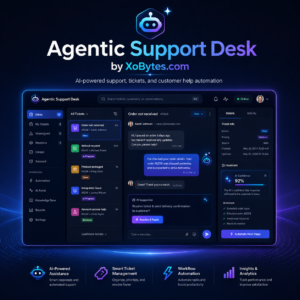
Agentic Support Desk for WordPress by XoBytes.com
$19.99
Agentic Support Desk by Xobytes is an AI-powered WordPress support desk built for software sellers, WooCommerce stores, agencies,…
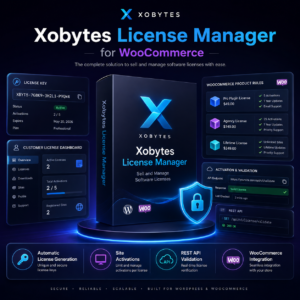
License manager for WooCommerce by XoBytes.com
$25.00
Xobytes License Manager for WooCommerce is a powerful WooCommerce license manager plugin that lets you sell software licenses,…

Agent Shield by XoBytes | Protect against agentic software
$25.00
AgentShield is a WordPress AI Agent Firewall that helps detect, monitor, block, and temporarily ban AI crawlers, AI…
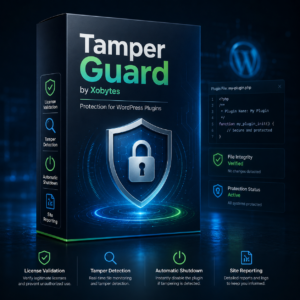
Tamper Guard by XoBytes | WordPress Plugin Tamper Detector
$25.00
Protect your commercial WordPress plugins with license-based tamper detection, file integrity monitoring, automatic shutdown protection, and site reporting.…
Product 1 of 6
- Integrate their existing databases seamlessly.
- Automate repetitive tasks, freeing up their sales team to focus on closing deals.
- Implement features tailored to their specific sales processes, resulting in a 30% increase in sales productivity.
2. Inventory Management System
A retail business struggled with inventory tracking, leading to stockouts and overstock situations. They developed a custom inventory management system that allowed them to:
- Track inventory levels in real-time across multiple locations.
- Set automatic reorder points to prevent stockouts.
- Analyze sales trends to optimize inventory purchases, reducing excess stock by 25%.
Implementation Steps for Custom Software Development
Implementing custom software can be a complex process. Here’s a step-by-step guide to help you navigate it effectively:
- Initial Consultation: Meet with stakeholders to discuss needs and objectives.
- Requirement Gathering: Document detailed specifications and desired features.
- Prototype Development: Create a prototype to visualize the software and gather initial feedback.
- Development Phase: Begin coding while maintaining regular communication with stakeholders.
- Testing Phase: Conduct thorough testing to identify and fix any issues.
- Deployment: Roll out the software to users and provide necessary training.
- Post-Launch Support: Offer ongoing support and maintenance to address any arising issues.
Decision Criteria for Selecting a Development Partner
Choosing the right development partner is critical. Here are some criteria to consider:
- Experience: Look for a partner with a proven track record in custom software development.
- Technical Expertise: Ensure they have the necessary skills in the technologies relevant to your project.
- Client Testimonials: Seek feedback from previous clients to gauge satisfaction and reliability.
- Communication Skills: A partner who communicates effectively can help prevent misunderstandings and ensure project alignment.
Practical Considerations for Custom Software Development
In addition to the strategies and considerations already discussed, there are practical aspects that can significantly influence the success of your custom software development project. These include:
Continue with How Custom Software Development Can Transform Your Business in 2026 for additional XoBytes guidance.
1. Change Management
Implementing new software often requires changes in business processes and employee roles. Effective change management can facilitate a smoother transition:
- Assess Impact: Evaluate how the new software will affect existing workflows and identify potential resistance points.
- Prepare Your Team: Communicate the benefits of the new system to all employees and provide them with the necessary training.
- Monitor Adoption: Track how well the software is being adopted and be ready to make adjustments based on user feedback.
2. Security Considerations
Security is paramount in custom software development. As your software will handle sensitive business data, consider the following:
- Data Encryption: Implement encryption protocols to protect data both at rest and in transit.
- Regular Security Audits: Schedule periodic security assessments to identify vulnerabilities and address them promptly.
- Compliance Standards: Ensure that your software complies with relevant regulations such as GDPR or HIPAA, depending on your industry.
3. Integration with Existing Systems
Your custom software should seamlessly integrate with existing systems to enhance overall efficiency. Consider these steps:
- Identify Integration Points: Determine which existing systems the new software needs to interact with.
- Use APIs: Leverage Application Programming Interfaces (APIs) to facilitate communication between systems.
- Test Integrations: Conduct thorough testing to ensure that all systems function together as intended.
Comparative Analysis: Custom Software vs. Off-the-Shelf Solutions
When deciding between custom software and off-the-shelf solutions, it’s essential to weigh the pros and cons of each:
Custom Software
- Pros:
- Tailored to specific business needs
- Greater flexibility and scalability
- Enhanced competitive advantage
- Cons:
- Higher initial costs
- Longer development time
- Requires ongoing maintenance and support
Off-the-Shelf Solutions
- Pros:
- Lower upfront costs
- Quick to implement
- Regular updates and support from the vendor
- Cons:
- Limited customization options
- May not fully meet specific business needs
- Potential for compatibility issues with existing systems
Implementation Steps for Custom Software Development
To ensure a successful implementation of custom software, follow these detailed steps:
- Initial Consultation: Engage with stakeholders to gather insights on needs and objectives.
- Requirement Gathering: Document detailed specifications, including desired features and functionalities.
- Prototype Development: Create a prototype to visualize the software and gather early feedback.
- Development Phase: Begin coding while maintaining regular communication with stakeholders to ensure alignment.
- Testing Phase: Conduct thorough testing, including unit testing, integration testing, and user acceptance testing.
- Deployment: Roll out the software to users and provide necessary training and documentation.
- Post-Launch Support: Offer ongoing support and maintenance to address any issues that arise after deployment.
Frequently Asked Questions
Here are some common questions about custom software development:
- What is custom software development and how does it differ from off-the-shelf solutions? Custom software development involves creating tailored software designed specifically to meet your business’s unique needs, unlike generic off-the-shelf solutions that serve a broad audience but may lack specific functionalities.
- When should a business consider investing in custom software development? A business should consider custom software when existing solutions do not fully address its unique workflows, require scalability, or need specific features that generic tools cannot provide efficiently.
- What are the main factors influencing the cost of custom software development? Key factors include project complexity, scope, technology stack, development team size, and timeline. Understanding these helps in accurate budgeting and planning.
- How can I estimate the cost of my custom software project? Cost estimation involves analyzing project requirements, defining scope, choosing development approaches, and consulting with experienced developers to get precise quotes based on your specifications.