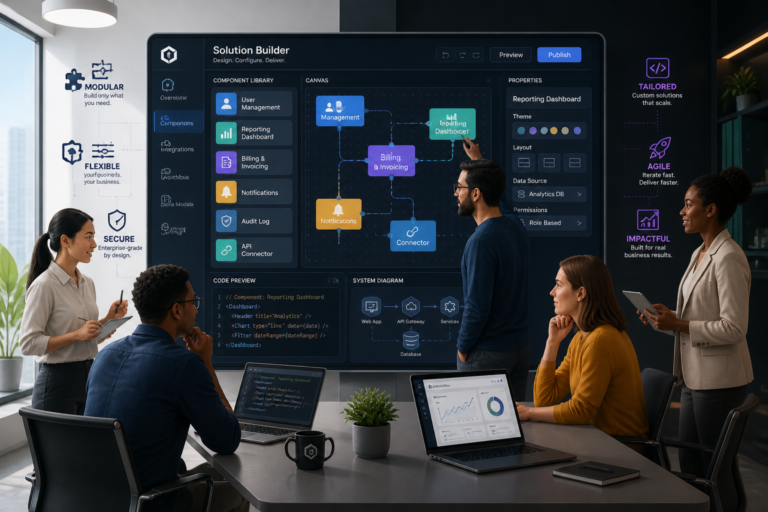
In today’s fast-paced digital landscape, businesses increasingly rely on technology to drive efficiency and growth. One significant aspect of this technological evolution is the development of customised software. But what is customised software also known as? Understanding the terminology surrounding customised software is crucial for professionals looking to make informed decisions about their business needs.
Customised software, often referred to as tailored software, bespoke software, or custom-built software, is designed to meet the specific requirements of a business or user. In contrast to off-the-shelf solutions, which are generic and designed for mass-market use, customised software provides unique features and flexibility that align with an organization’s objectives.
To make this easier, let’s explore some key terms and definitions related to customised software:
Key Terms and Definitions
- Custom Software: Software developed specifically for a particular organization or user, tailored to meet their unique requirements.
- Bespoke Software: Another term for customised software, emphasizing its tailored nature and exclusivity to the client.
- Tailored Applications: Software applications that are modified or created to fit the specific needs of a business.
- Enterprise Software: Software designed to meet the needs of an organization rather than individual users, often customized for scalability and integration.
- Specialized Software: Software developed for a specific industry or purpose, highlighting its targeted functionality.
Moreover, understanding these terms can enhance communication among stakeholders involved in software development projects. It allows for clearer discussions about requirements, features, and the overall scope of the software being developed.
In addition, businesses should recognize the difference between customised software and off-the-shelf solutions. While off-the-shelf solutions are readily available and can be implemented quickly, they may not cater to specific business processes or needs. Therefore, investing in customised software can lead to greater efficiency and productivity in the long run.
Why Customised Software?
There are several reasons why a business might choose customised software over off-the-shelf solutions:
- Unique Requirements: Every business has unique processes and workflows. Customised software allows for the integration of these specific needs into the software.
- Scalability: As businesses grow, their software needs may change. Customised solutions can be designed with scalability in mind, ensuring they can adapt to future growth.
- Competitive Advantage: Custom software can provide features that set a business apart from its competitors, offering unique value propositions to customers.
- Integration: Custom software can be developed to integrate seamlessly with existing systems and processes, reducing friction and improving efficiency.
- Cost-Effectiveness: While the initial investment may be higher, customised software can save money in the long run by reducing operational inefficiencies.
Because of this, many businesses are now prioritizing customised software development as a core part of their strategic planning.
Internal Linking Opportunities
For further insights into the costs associated with custom software projects, you can check out our article on Understanding the True Cost and Key Drivers of Custom Software Projects. This resource outlines the key factors influencing the pricing of custom software solutions.
Conclusion
In conclusion, understanding what customised software is also known as is essential for professionals navigating the software development landscape. By familiarizing yourself with key terms and concepts, you can better communicate your needs and make informed decisions about your software investments. Whether you refer to it as bespoke software, tailored applications, or custom solutions, the goal remains the same: to find the right technology that meets your unique business requirements.
Practical Examples of Customised Software
To better understand the impact of customised software, let’s explore a few practical examples across different industries:
For a practical companion to this section, explore Key Signs Your Business Should Invest in Custom Software Solutions.
- Healthcare: Hospitals often require customised software for patient management systems that integrate various functionalities such as appointment scheduling, electronic health records, and billing. This tailored solution ensures compliance with regulations while improving patient care.
- Retail: E-commerce platforms can benefit from customised software that includes unique features like personalized shopping experiences, inventory management tailored to specific supply chains, and loyalty programs that cater to the business’s customer base.
- Manufacturing: Customised software solutions can streamline production processes by integrating with machinery and managing supply chains, ensuring that operations run smoothly and efficiently.
Comparing Customised Software and Off-the-Shelf Solutions
When deciding between customised software and off-the-shelf solutions, it’s essential to weigh the pros and cons of each option. Here’s a comparison to help you make an informed decision:
Advantages of Customised Software
- Tailored Features: Customised software is built to meet specific needs, ensuring that all necessary features are included.
- Scalability: As your business grows, customised solutions can evolve to accommodate new requirements.
- Integration: Custom software can be designed to work seamlessly with existing systems, reducing the need for extensive training and adjustments.
Disadvantages of Customised Software
- Higher Initial Costs: The upfront investment for customised software can be significant compared to off-the-shelf options.
- Longer Development Time: Creating a tailored solution typically takes longer than implementing an existing product.
Related XoBytes Products

Agentic Consultant, Product Rep, & Customer Service Agent By XoBytes.com
$19.99
Agentic Consultant for WordPress gives your website a smart AI product rep, customer service agent, and hands-free voice…

Agentic Construction Theme | More than just a theme | Built for all trades
$49.99
Why You Need This Theme And Plugin! Click here for the Demo Agentic Construction Theme by XoBytes is…
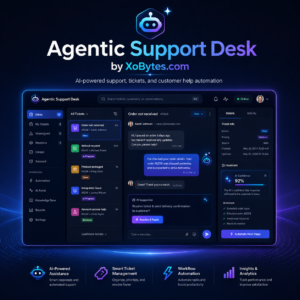
Agentic Support Desk for WordPress by XoBytes.com
$19.99
Agentic Support Desk by Xobytes is an AI-powered WordPress support desk built for software sellers, WooCommerce stores, agencies,…
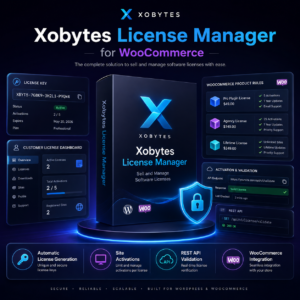
License manager for WooCommerce by XoBytes.com
$25.00
Xobytes License Manager for WooCommerce is a powerful WooCommerce license manager plugin that lets you sell software licenses,…

Agent Shield by XoBytes | Protect against agentic software
$25.00
AgentShield is a WordPress AI Agent Firewall that helps detect, monitor, block, and temporarily ban AI crawlers, AI…
Product 1 of 6
Advantages of Off-the-Shelf Solutions
- Lower Initial Costs: Off-the-shelf software usually has a lower price point, making it accessible for smaller businesses.
- Quick Implementation: These solutions can be deployed rapidly, allowing businesses to start using them immediately.
Disadvantages of Off-the-Shelf Solutions
- Limited Customization: Off-the-shelf software may not fully meet specific business needs, leading to potential inefficiencies.
- Dependence on Vendor: Businesses may face challenges if the vendor discontinues support or updates for the software.
Implementation Steps for Customised Software
Implementing customised software involves several key steps to ensure success:
- Define Requirements: Clearly outline the specific needs and objectives your customised software must address.
- Choose a Development Partner: Select a reputable software development company with experience in your industry.
- Design and Prototyping: Collaborate with your development team to create prototypes and designs that reflect your requirements.
- Development: The development team will build the software according to the specifications agreed upon.
- Testing: Conduct thorough testing to identify and resolve any issues before the software goes live.
- Deployment: Implement the customised software within your organization, ensuring that all users are trained and supported.
- Ongoing Support: Establish a plan for ongoing maintenance and support to address future needs and updates.
Decision Criteria for Choosing Customised Software
When considering customised software, evaluate the following criteria:
- Business Needs: Assess how well the software aligns with your current and future business processes.
- Budget: Determine your budget for both initial development and ongoing maintenance costs.
- Vendor Experience: Research potential vendors’ track records and expertise in your industry.
- Scalability: Ensure that the solution can grow and adapt as your business evolves.
Common Misconceptions About Customised Software
Despite the growing popularity of customised software, several misconceptions can hinder businesses from making informed decisions. Here are some common myths and the realities behind them:
- Myth: Customised software is only for large enterprises.
- Reality: While larger organizations often utilize custom solutions, small and medium-sized businesses can also benefit significantly from tailored software that meets their unique needs.
- Myth: Customised software is too expensive for most businesses.
- Reality: Although the initial investment may be higher, the long-term savings from improved efficiency and reduced operational costs can outweigh the upfront costs.
- Myth: Customised software takes too long to develop.
- Reality: While development times can vary, a well-planned project with clear requirements can lead to timely delivery and implementation.
Future Trends in Customised Software Development
As technology continues to evolve, several trends are shaping the future of customised software development:
Continue with Custom Made Software: Key Advantages and When to Invest for additional XoBytes guidance.
- Low-Code and No-Code Platforms: These platforms allow businesses to create customized solutions with minimal coding, making it easier for non-technical users to participate in the development process.
- Artificial Intelligence Integration: Customised software increasingly incorporates AI to enhance functionalities, such as predictive analytics and personalized user experiences.
- Cloud-Based Solutions: The shift towards cloud computing enables more scalable and flexible customised software solutions, allowing businesses to access their applications from anywhere.
- Focus on User Experience: There is a growing emphasis on designing software that prioritizes user experience, ensuring that interfaces are intuitive and meet user needs effectively.
Key Considerations for Customised Software Maintenance
Once customised software is implemented, ongoing maintenance is crucial for its longevity and effectiveness. Here are key considerations for maintaining your customised software:
- Regular Updates: Ensure that the software is regularly updated to address security vulnerabilities and incorporate new features.
- User Feedback: Actively seek feedback from users to identify areas for improvement and ensure the software continues to meet business needs.
- Performance Monitoring: Continuously monitor the software’s performance to identify any inefficiencies or issues that need addressing.
- Scalability Planning: As your business grows, reassess the software to ensure it can scale effectively and accommodate new requirements.
Real-World Case Studies of Successful Customised Software
Examining successful implementations of customised software can provide valuable insights. Here are a couple of case studies:
Case Study 1: A Financial Services Firm
A financial services company faced challenges with managing client portfolios using off-the-shelf software. They opted for a customised solution that integrated real-time data analytics and reporting features tailored to their specific financial products. As a result, the firm saw a 30% increase in operational efficiency and improved client satisfaction.
Case Study 2: A Logistics Company
A logistics company struggled with outdated systems that couldn’t keep up with their growing needs. They developed a customised software solution that streamlined their supply chain management and integrated with existing inventory systems. This led to better tracking of shipments and a reduction in delivery times by 25%.
Frequently Asked Questions
Here are some common questions regarding customised software:
What are common synonyms for customised software?
Common synonyms include tailored software, bespoke software, custom-built software, and specialized software, all referring to software designed specifically for a business or user needs.
How does customised software differ from off-the-shelf solutions?
Customised software is built to meet specific requirements of a business, offering tailored features and flexibility, whereas off-the-shelf solutions are generic and designed for mass-market use.
Why is understanding different terms for customised software important?
Knowing the industry-specific terminology helps in clearer communication, better decision-making, and more effective research when selecting software development services.
Can customised software be called by other industry-specific names?
Yes, depending on the context, it can also be referred to as bespoke solutions, tailored applications, or enterprise-specific software, among other terms.