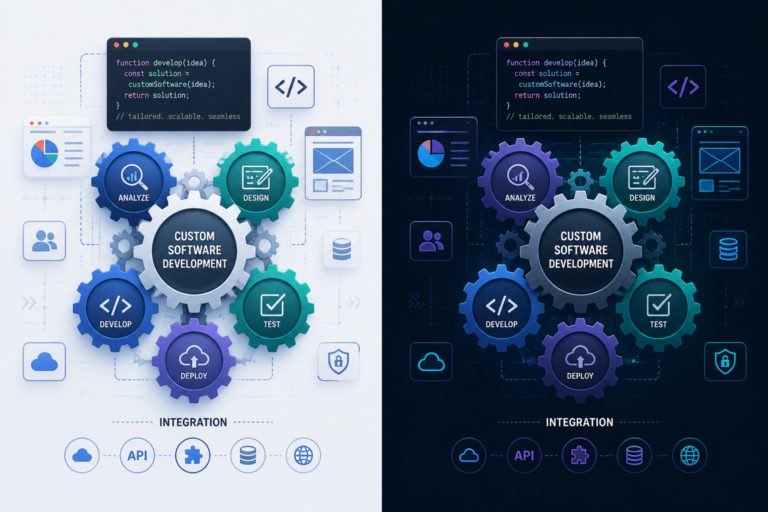
In the ever-evolving landscape of technology, businesses frequently seek solutions that cater to their specific needs. This is where customised software development comes into play. However, understanding the various terms and alternatives associated with customised software can be daunting. Therefore, this guide aims to clarify these terms and provide insights into the world of customised software development.
What is Customised Software?
Customised software, often referred to as tailored software, is designed specifically to meet the unique requirements of a business or individual user. Unlike off-the-shelf solutions, which are generic and mass-produced, customised software is created to address specific operational challenges and improve efficiency.
Key Characteristics of Customised Software
- Tailored Features: Customised software includes functionalities that align with the specific needs of the business.
- Scalability: Businesses can scale the software as they grow, adding features or users as needed.
- Integration: It can seamlessly integrate with existing systems and processes.
- Flexibility: Businesses have the freedom to modify the software according to changing requirements.
Common Terms and Alternatives for Customised Software
To navigate the field of customised software, it is essential to understand the terminology used in the industry. Here are some common terms and their meanings:
- Bespoke Software: This term is often used interchangeably with customised software, referring to software that is specifically made to cater to the needs of a particular user or organization.
- Tailored Software: Similar to bespoke software, tailored software is designed with the user’s specific requirements in mind.
- Custom-Built Software: This refers to software developed from scratch, tailored to meet the unique demands of a business.
- Specialized Software: This term describes software that serves a particular industry or function, often customized to meet specific operational needs.
Understanding the Differences: Customised vs. Off-the-Shelf Software
While both customised and off-the-shelf software serve the purpose of aiding businesses, they differ significantly in their approach and functionality. To illustrate:
For useful background on this topic, see Top Strategies for Successful Custom Software Development in Modern Businesses.
- Customised Software: Built specifically for a business, offering tailored features and flexibility.
- Off-the-Shelf Software: Generic solutions designed for mass-market use, lacking customization and flexibility.
When to Consider Customised Software Development
Deciding whether to invest in customised software depends on various factors. Here are some scenarios where customised software may be the best option:
- When existing solutions do not meet specific business needs.
- When a business requires unique functionalities that off-the-shelf software cannot provide.
- When integration with existing systems is crucial for operational efficiency.
- When scalability is a priority for future growth.
Exploring Alternatives to Customised Software
While customised software offers numerous benefits, it is not the only option. Here are some alternatives:
- Off-the-Shelf Software: These are ready-made solutions that can be purchased and used immediately.
- Open Source Software: This software is available for free and can be modified according to user needs, though it may require more technical expertise.
- Software as a Service (SaaS): Cloud-based solutions that offer flexibility and scalability without the need for extensive infrastructure.
As a result, businesses must carefully assess their needs and consider the pros and cons of each type of software before making a decision.
How to Choose the Right Customised Software Development Partner
Choosing the right partner for customised software development is crucial to the success of your project. Here are some tips to help you make the right choice:
- Evaluate Experience: Look for a partner with a proven track record in developing customised software.
- Check References: Ask for client references to gauge their satisfaction with the software and the development process.
- Assess Technical Skills: Ensure that the partner has the necessary technical expertise to meet your specific requirements.
- Understand Their Development Process: Familiarize yourself with their approach to software development to ensure alignment with your expectations.
For further insights, you can check our article on How Custom Software Development Works.
Conclusion
In conclusion, understanding the terminology and alternatives related to customised software development is essential for making informed decisions. By recognizing the differences between various terms and knowing when to opt for customised solutions, businesses can enhance their operational efficiency and drive growth. Remember, the right software can significantly impact your business’s success.
Related XoBytes Products

Agentic Consultant, Product Rep, & Customer Service Agent By XoBytes.com
$19.99
Agentic Consultant for WordPress gives your website a smart AI product rep, customer service agent, and hands-free voice…

Agentic Construction Theme | More than just a theme | Built for all trades
$49.99
Why You Need This Theme And Plugin! Click here for the Demo Agentic Construction Theme by XoBytes is…
Agentic Support Desk for WordPress by XoBytes.com
$19.99
Agentic Support Desk by Xobytes is an AI-powered WordPress support desk built for software sellers, WooCommerce stores, agencies,…

Agent Shield by XoBytes | Protect against agentic software
$25.00
AgentShield is a WordPress AI Agent Firewall that helps detect, monitor, block, and temporarily ban AI crawlers, AI…
Tamper Guard by XoBytes | WordPress Plugin Tamper Detector
$25.00
Protect your commercial WordPress plugins with license-based tamper detection, file integrity monitoring, automatic shutdown protection, and site reporting.…
Product 1 of 6
Key Considerations for Customised Software Development
When embarking on a customised software development journey, several key considerations can significantly influence the outcome of your project. Understanding these factors can help ensure that the final product aligns with your business goals.
1. Defining Clear Objectives
Before development begins, it is crucial to outline clear objectives for what you want the software to achieve. This includes:
- Identifying Pain Points: Understand the specific challenges your business faces that the software needs to address.
- Setting Measurable Goals: Define what success looks like, whether it’s improving efficiency, increasing sales, or enhancing customer satisfaction.
2. Budgeting for Custom Software
Custom software development can be a significant investment. Here are some budgeting tips:
Continue with How Much Does It Cost to Build a Custom Software Development Platform? A Complete Guide for additional XoBytes guidance.
- Initial Costs: Consider the costs of development, including design, coding, testing, and deployment.
- Long-Term Maintenance: Factor in ongoing costs for updates, maintenance, and potential scaling as your business grows.
3. User Experience (UX) Design
A well-designed user interface is critical for ensuring that the software is user-friendly and meets the needs of its users. Focus on:
- User Research: Conduct surveys or interviews to understand the preferences and needs of your target users.
- Prototyping: Create prototypes to gather feedback before final implementation, allowing for adjustments based on user input.
Implementation Steps for Customised Software
Once you have chosen a development partner and defined your objectives, the next step is to implement the software. Here’s a structured approach:
- Requirement Gathering: Collaborate with stakeholders to gather all necessary requirements and document them thoroughly.
- Development Planning: Create a detailed project plan that outlines timelines, milestones, and deliverables.
- Agile Development: Consider using agile methodologies that allow for iterative development and regular feedback, ensuring the software evolves according to user needs.
- Testing: Conduct rigorous testing, including unit tests, integration tests, and user acceptance testing to ensure the software functions as intended.
- Deployment: Roll out the software in phases, if possible, to minimize disruptions and allow for adjustments based on initial user feedback.
- Training and Support: Provide training for users and ensure ongoing support is available to address any issues that arise post-deployment.
Comparing Customised Software Development Approaches
Different approaches to customised software development can yield varying results. Below is a comparison of some common methodologies:
| Methodology | Description | Pros | Cons |
|---|---|---|---|
| Waterfall | Linear and sequential approach where each phase must be completed before the next begins. | Clear structure and milestones; easy to manage. | Inflexible; difficult to accommodate changes once development has started. |
| Agile | Iterative approach that promotes flexibility and customer feedback throughout the development process. | Highly adaptable; encourages collaboration and continuous improvement. | Can lead to scope creep if not managed properly; requires active involvement from stakeholders. |
| DevOps | Combines development and operations to improve collaboration and efficiency in software delivery. | Faster delivery; improved communication between teams. | Requires cultural shift and investment in tools; may be challenging to implement. |
Future Trends in Customised Software Development
As technology continues to evolve, so too does the landscape of customised software development. Here are some emerging trends to watch:
- Artificial Intelligence and Machine Learning: Integrating AI and ML can enhance software capabilities, providing predictive analytics and automation features.
- Low-Code and No-Code Development: These platforms allow users with minimal coding experience to create applications, making custom software more accessible.
- Cloud-Native Solutions: Developing software specifically for cloud environments can improve scalability and flexibility.
Frequently Asked Questions
Here are some frequently asked questions about customised software development:
- What are common synonyms for customised software? Common synonyms include tailored software, bespoke software, custom-built software, and specialized software, all referring to software designed specifically for a business or user needs.
- How does customised software differ from off-the-shelf solutions? Customised software is built to meet specific requirements of a business, offering tailored features and flexibility, whereas off-the-shelf solutions are generic and designed for mass-market use.
- Why is understanding different terms for customised software important? Knowing the industry-specific terminology helps in clearer communication, better decision-making, and more effective research when selecting software development services.
- Can customised software be called by other industry-specific names? Yes, depending on the context, it can also be referred to as bespoke solutions, tailored applications, or enterprise-specific software, among other terms.