
Building a custom software development platform can be a significant investment for businesses. However, understanding the costs involved is crucial for making informed decisions. In this complete guide, we will explore the various factors that affect the cost to build a custom software development platform, helping you develop a clear budget and expectations.
Understanding Custom Software Development
Before diving into costs, it’s essential to understand what custom software development entails. Custom software is tailored to meet the specific needs of a business, unlike off-the-shelf solutions that may not fully address unique requirements. This personalization often leads to enhanced efficiency and productivity.
Factors Influencing the Cost of Custom Software Development
Several key factors play a role in determining the overall cost of developing a custom software platform. To make this easier, let’s break down these factors:
- Project Size: Larger projects typically require more resources, leading to higher costs.
- Complexity: The more complex the software features, the more expensive the development process becomes.
- Design Requirements: Custom designs can significantly increase costs compared to standard templates.
- Integrations: Integrating with existing systems or APIs can add to the overall expense.
- Development Team: The rates charged by the development team can vary widely based on their expertise and location.
Typical Cost Ranges for Custom Software Development
Understanding the typical cost ranges can help set realistic expectations. Generally, the cost to build custom software can range from $10,000 to over $500,000, depending on the factors mentioned above. For instance:
- Simple Applications: These can cost between $10,000 and $50,000. They typically include basic functionality and limited integrations.
- Medium Complexity Projects: Expect to pay between $50,000 and $150,000 for projects with moderate features and integrations.
- High Complexity Solutions: These projects can exceed $150,000, especially if they involve advanced functionalities like AI, extensive databases, or custom design.
For more detailed insights into the financial aspects of custom software, check out our article on Understanding the True Cost of Building Custom Software Development Platforms.
Budgeting for Custom Software Development
Budgeting for custom software development requires careful planning. Here are several steps to create an effective budget:
- Define Your Requirements: Clearly outline what you need from the software to avoid scope creep.
- Get Quotes: Reach out to multiple development teams to gather quotes based on your requirements.
- Consider Ongoing Costs: Factor in maintenance, updates, and potential feature additions in your budget.
Choosing the Right Development Team
Choosing the right development team is critical to the success of your project. Factors to consider include:
- Experience: Look for teams with a proven track record in custom software development.
- Expertise: Ensure they have the necessary skills to meet your specific technology needs.
- Communication: Effective communication is vital for successful collaboration.
Agentic Products by XoBytes
As you explore options for custom software, consider our Agentic Consultant, which provides smart AI solutions for customer service and product representation.
Conclusion
In conclusion, understanding the cost to build a custom software development platform is essential for making informed business decisions. By considering the factors influencing costs and effectively budgeting, you can ensure a successful project that meets your unique needs.
For a practical companion to this section, explore Understanding Custom Software Development: When and Why Your Business Needs It.
Understanding the Development Process
To effectively manage the cost of building a custom software development platform, it is important to understand the development process itself. This typically involves several key phases:
- Discovery Phase: This initial phase involves gathering requirements, defining project scope, and understanding user needs. It often includes stakeholder interviews and market research.
- Design Phase: In this phase, wireframes and prototypes are created to visualize the software. User experience (UX) and user interface (UI) design play a crucial role in this stage.
- Development Phase: Here, the actual coding takes place. This phase can be broken down into front-end and back-end development, depending on the complexity of the project.
- Testing Phase: Rigorous testing is conducted to ensure the software is free of bugs and performs as expected. This includes unit testing, integration testing, and user acceptance testing.
- Deployment Phase: Once testing is complete, the software is deployed to a production environment. This phase may also involve training users and providing documentation.
- Maintenance Phase: Post-launch, the software will require ongoing maintenance, updates, and possibly feature enhancements based on user feedback.
Cost-Saving Strategies
While building a custom software platform can be costly, there are strategies to help manage and potentially reduce expenses:
- Prioritize Features: Focus on essential features for the initial launch. Additional features can be added in later versions based on user feedback.
- Utilize Agile Methodology: Implementing an agile approach allows for iterative development, enabling teams to adapt to changes and reduce wasted resources.
- Consider Offshoring: Hiring a development team in countries with lower labor costs can significantly reduce expenses, but ensure they have the necessary expertise and communication skills.
- Leverage Existing Solutions: Where possible, use existing frameworks or libraries to speed up development and reduce costs.
- Regularly Review Progress: Conduct regular check-ins and reviews to ensure the project stays on track and within budget.
Real-World Examples of Custom Software Development Costs
Understanding how different companies have navigated the costs of custom software development can provide valuable insights. Here are a few examples:
Related XoBytes Products

Agentic Consultant, Product Rep, & Customer Service Agent By XoBytes.com
$19.99
Agentic Consultant for WordPress gives your website a smart AI product rep, customer service agent, and hands-free voice…

Agentic Construction Theme | More than just a theme | Built for all trades
$49.99
Why You Need This Theme And Plugin! Click here for the Demo Agentic Construction Theme by XoBytes is…
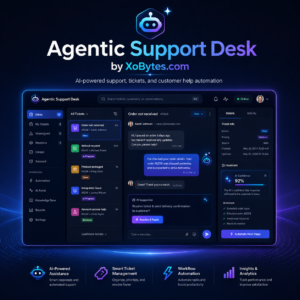
Agentic Support Desk for WordPress by XoBytes.com
$19.99
Agentic Support Desk by Xobytes is an AI-powered WordPress support desk built for software sellers, WooCommerce stores, agencies,…
- Startup E-commerce Platform: A startup aimed to build an e-commerce platform with basic functionalities like product listings and a shopping cart. The total cost was around $40,000, completed in 4 months.
- Healthcare Management System: A medium-sized healthcare provider needed a custom management system to handle patient records and appointments. The project cost approximately $120,000 and took 6 months to develop.
- AI-Powered Analytics Tool: A tech company sought to develop an advanced analytics tool leveraging AI for data processing. The estimated cost was $300,000, with a development timeline of 9 months.
Decision Criteria for Choosing a Development Approach
When deciding on the best approach for developing custom software, consider the following criteria:
Continue with Key Factors That Affect the Cost to Develop Custom Software Platforms for additional XoBytes guidance.
- Business Goals: Align the software solution with your business objectives. What problems are you trying to solve?
- Budget Constraints: Determine how much you can afford to invest without compromising quality or functionality.
- Timeframe: Assess how quickly you need the software. Some approaches may be faster than others.
- Scalability Needs: Consider whether the software will need to grow with your business. Choose solutions that allow for future enhancements.
- Technical Expertise: Evaluate whether your in-house team has the necessary skills or if you need to hire external developers.
Implementation Steps for Custom Software Development
Once you’ve established your budget and chosen a development team, the next step is to implement the project effectively. Here’s a step-by-step guide to help you through the implementation process:
- Kick-off Meeting: Organize a meeting with all stakeholders and the development team to align on project goals, timelines, and responsibilities.
- Requirement Gathering: Work closely with the development team to finalize the software requirements. This may involve creating detailed user stories and acceptance criteria.
- Prototype Development: Develop a prototype or minimum viable product (MVP) to visualize the software’s core functionalities. This helps in gathering early feedback.
- Iterative Development: Utilize an agile approach for development, allowing for regular updates and adjustments based on user feedback.
- Testing and Quality Assurance: Conduct thorough testing at each stage of development to identify and resolve issues promptly.
- Training and Documentation: Prepare training materials and user documentation to facilitate smooth onboarding for users.
- Launch: Plan for a strategic launch, ensuring that all stakeholders are informed and ready for deployment.
- Post-Launch Support: Establish a support system for users to report issues and provide feedback after the software goes live.
Comparing Development Approaches
When considering how to build your custom software platform, it’s essential to compare different development approaches. Here are a few common methodologies:
- Waterfall: A linear approach where each phase must be completed before the next begins. This is suitable for projects with well-defined requirements but can be inflexible to changes.
- Agile: An iterative approach that allows for flexibility and ongoing adjustments based on user feedback. This is ideal for projects where requirements may evolve over time.
- DevOps: Integrates development and operations to improve collaboration and efficiency. This approach is beneficial for projects requiring continuous integration and delivery.
- Low-Code Development: Utilizes visual development tools to create applications with minimal coding. This can significantly reduce development time and costs but may limit customization.
Decision Criteria for Choosing a Development Approach
Choosing the right development approach is crucial for the success of your custom software project. Consider the following criteria:
- Project Requirements: Analyze how well the approach aligns with your project’s specific needs and complexity.
- Team Expertise: Evaluate the skill set of your development team. Some methodologies may require specific expertise.
- Time Constraints: Consider how quickly you need the software delivered. Some approaches may offer faster turnaround times.
- Budget Limitations: Assess how each approach impacts your budget. Some methodologies may be more cost-effective than others.
- Future Scalability: Determine whether the approach allows for future enhancements and scalability as your business grows.
Real-World Cost Comparisons
To further illustrate the cost variations in custom software development, here are additional real-world examples:
- Social Media Management Tool: A company developed a tool for managing social media accounts, costing approximately $70,000. The project took 5 months and included features like scheduling posts and analytics.
- Inventory Management System: A retail business invested $90,000 in a custom inventory management system. The development process lasted 6 months and integrated with existing e-commerce platforms.
- Mobile Health App: A healthcare startup created a mobile app for patient monitoring, with a total cost of $150,000 over 8 months. The app featured real-time data tracking and user notifications.
Frequently Asked Questions
Building a custom software development platform can be a significant investment for businesses. However, understanding the costs involved is crucial for making informed decisions. In this complete guide, we will explore the various factors that affect the cost to build a custom software development platform, helping you develop a clear budget and expectations.
What factors affect the cost of custom software development?
Several factors influence the cost, including project size, complexity, required features, design, and integrations.
How can I estimate the budget for custom software?
To estimate the budget, consider the project scope, development team rates, and any additional ongoing maintenance costs.
Is custom software development worth the investment?
Yes, custom software can provide tailored solutions that enhance productivity and efficiency, making it a valuable investment for many businesses.