When businesses consider creating a custom software platform, one of the most critical questions is about the cost. Understanding the cost of developing custom software is essential for making informed decisions. In this article, we will explore various factors that influence these costs, helping you budget effectively for your project.
Understanding Custom Software Development
Custom software development involves creating software tailored to meet specific business needs. Unlike off-the-shelf solutions, custom software is designed from the ground up, ensuring it aligns perfectly with your operational requirements. However, this tailored approach often comes with a higher price tag. Therefore, it is vital to understand the elements that contribute to the overall cost.
Key Factors Affecting the Cost of Developing Custom Software
For example, several factors significantly influence the cost of your custom software platform:
- Project Complexity: The more complex the project, the higher the cost. Complex features require more development time and expertise.
- Required Features: Each feature you want in your software impacts the cost. More features mean more time and resources are needed.
- Technology Stack: The choice of technologies used can also affect costs. Some technologies are more expensive than others.
- Team Expertise: The experience and skill level of your development team can influence the overall cost. Highly skilled teams may charge more but can deliver better results.
- Maintenance and Support: Ongoing maintenance and support are essential for any software. Budgeting for these costs is crucial.
- Integration Needs: If your software needs to integrate with existing systems, this can add to the cost.
To dive deeper into these factors, check out our article on Key Factors That Affect the Cost to Develop Custom Software Platforms.
Estimating Your Budget
Estimating your budget requires careful consideration of the factors mentioned above. Start by defining your project scope clearly. This step will help you identify the essential features and functionalities. Next, gather estimates from different development teams to compare costs. Also, remember to include additional costs like testing, deployment, and future maintenance in your budget.
Choosing the Right Development Team
Choosing the right development team is crucial for the success of your project. Look for a team with a proven track record in custom software development. Evaluate their past projects and client testimonials. Additionally, consider their expertise in the specific technology stack you plan to use. A well-chosen team can help you manage costs effectively while delivering high-quality results.
Additional Costs to Consider
In addition to the direct development costs, consider these additional expenses:
- Licensing Fees: Depending on the technologies used, you may incur licensing fees.
- Infrastructure Costs: Hosting and infrastructure can add to your budget.
- Training Costs: Training your team to use the new software will also require funding.
Benefits of Custom Software Development
Despite the higher costs, custom software development offers numerous benefits. For instance, it provides tailored solutions that can improve efficiency and productivity. Furthermore, custom software can give your business a competitive advantage by addressing unique challenges that off-the-shelf solutions cannot.
Conclusion
Estimating the cost of developing your custom software platform is a complex yet essential task. By understanding the factors that influence these costs and planning your budget accordingly, you can make informed decisions that will benefit your business in the long run. If you’re ready to explore custom software solutions, consider reaching out to a reputable development team.
For a practical companion to this section, explore How Much Does It Cost to Build a Custom Software Development Platform? A Complete Guide.
Practical Examples of Cost Estimation
To better understand how to estimate the cost of developing custom software, consider the following practical examples:
- Example 1: Simple Inventory Management System
- Project Complexity: Low
- Required Features: Basic inventory tracking, user authentication, and reporting tools
- Estimated Cost: $10,000 – $30,000
- Example 2: E-commerce Platform
- Project Complexity: Medium
- Required Features: Product catalog, shopping cart, payment gateway, and user reviews
- Estimated Cost: $50,000 – $150,000
- Example 3: Custom CRM Solution
- Project Complexity: High
- Required Features: Lead management, sales forecasting, and integration with third-party applications
- Estimated Cost: $100,000 – $500,000
Implementation Steps for Custom Software Development
Once you have a budget in mind, follow these implementation steps to ensure a smooth development process:
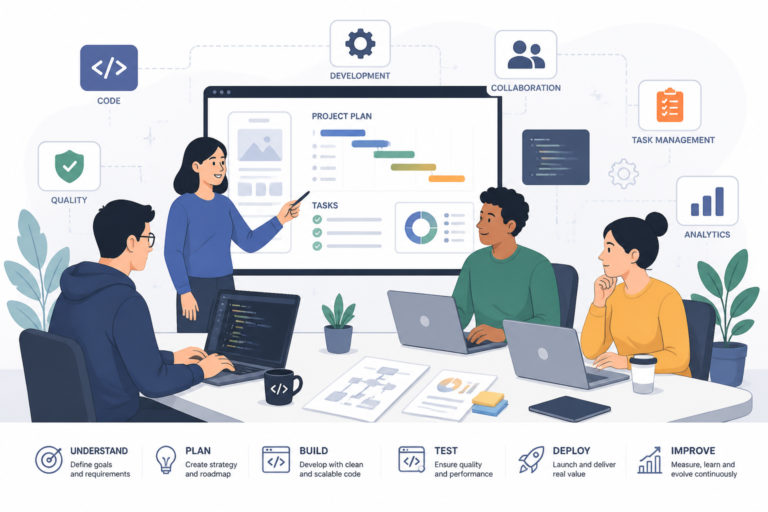
- Define Requirements: Collaborate with stakeholders to gather and document all software requirements.
- Create a Project Plan: Outline the timeline, milestones, and deliverables for the project.
- Select a Development Methodology: Choose between Agile, Waterfall, or a hybrid approach based on your project needs.
- Design the Software: Work with designers to create wireframes and prototypes for user feedback.
- Develop the Software: Begin coding based on the defined requirements and design specifications.
- Testing: Conduct thorough testing, including unit tests, integration tests, and user acceptance testing.
- Deployment: Launch the software in a production environment and ensure that all systems are functioning correctly.
- Post-Launch Support: Provide ongoing maintenance and support to address any issues that arise after deployment.
Related XoBytes Products

Agentic Consultant, Product Rep, & Customer Service Agent By XoBytes.com
$19.99
Agentic Consultant for WordPress gives your website a smart AI product rep, customer service agent, and hands-free voice…
Agentic Support Desk for WordPress by XoBytes.com
$19.99
Agentic Support Desk by Xobytes is an AI-powered WordPress support desk built for software sellers, WooCommerce stores, agencies,…

Agent Shield by XoBytes | Protect against agentic software
$25.00
AgentShield is a WordPress AI Agent Firewall that helps detect, monitor, block, and temporarily ban AI crawlers, AI…
Comparing Custom Software vs. Off-the-Shelf Solutions
When considering the cost of developing custom software, it’s important to compare it with off-the-shelf solutions. Here are some key differences:
- Customization: Custom software is tailored to your specific needs, while off-the-shelf solutions may not fit perfectly.
- Cost: Custom software typically has a higher upfront cost but can provide long-term savings through increased efficiency.
- Scalability: Custom solutions can grow with your business, while off-the-shelf products may require costly upgrades or replacements.
- Support: Custom software often comes with dedicated support, whereas off-the-shelf solutions may rely on generic customer service.
Decision Criteria for Choosing Between Custom and Off-the-Shelf Software
To make an informed decision between custom and off-the-shelf software, consider the following criteria:
Continue with Understanding the True Cost of Building Custom Software Development Platforms for additional XoBytes guidance.
- Business Needs: Assess whether your requirements can be met by existing solutions or if customization is necessary.
- Budget Constraints: Evaluate your budget and determine if you can afford the investment in custom development.
- Timeframe: Consider how quickly you need the solution and whether off-the-shelf options can meet that timeline.
- Future Growth: Think about your business’s long-term goals and whether a custom solution can adapt to those changes.
Practical Examples of Cost Estimation
To better understand how to estimate the cost of developing custom software, consider the following practical examples:
Example 1: Simple Inventory Management System
- Project Complexity: Low
- Required Features: Basic inventory tracking, user authentication, and reporting tools
- Estimated Cost: $10,000 – $30,000
Example 2: E-commerce Platform
- Project Complexity: Medium
- Required Features: Product catalog, shopping cart, payment gateway, and user reviews
- Estimated Cost: $50,000 – $150,000
Example 3: Custom CRM Solution
- Project Complexity: High
- Required Features: Lead management, sales forecasting, and integration with third-party applications
- Estimated Cost: $100,000 – $500,000
Implementation Steps for Custom Software Development
Once you have a budget in mind, follow these implementation steps to ensure a smooth development process:
- Define Requirements: Collaborate with stakeholders to gather and document all software requirements.
- Create a Project Plan: Outline the timeline, milestones, and deliverables for the project.
- Select a Development Methodology: Choose between Agile, Waterfall, or a hybrid approach based on your project needs.
- Design the Software: Work with designers to create wireframes and prototypes for user feedback.
- Develop the Software: Begin coding based on the defined requirements and design specifications.
- Testing: Conduct thorough testing, including unit tests, integration tests, and user acceptance testing.
- Deployment: Launch the software in a production environment and ensure that all systems are functioning correctly.
- Post-Launch Support: Provide ongoing maintenance and support to address any issues that arise after deployment.
Comparing Custom Software vs. Off-the-Shelf Solutions
When considering the cost of developing custom software, it’s important to compare it with off-the-shelf solutions. Here are some key differences:
- Customization: Custom software is tailored to your specific needs, while off-the-shelf solutions may not fit perfectly.
- Cost: Custom software typically has a higher upfront cost but can provide long-term savings through increased efficiency.
- Scalability: Custom solutions can grow with your business, while off-the-shelf products may require costly upgrades or replacements.
- Support: Custom software often comes with dedicated support, whereas off-the-shelf solutions may rely on generic customer service.
Decision Criteria for Choosing Between Custom and Off-the-Shelf Software
To make an informed decision between custom and off-the-shelf software, consider the following criteria:
- Business Needs: Assess whether your requirements can be met by existing solutions or if customization is necessary.
- Budget Constraints: Evaluate your budget and determine if you can afford the investment in custom development.
- Timeframe: Consider how quickly you need the solution and whether off-the-shelf options can meet that timeline.
- Future Growth: Think about your business’s long-term goals and whether a custom solution can adapt to those changes.
Frequently Asked Questions
In this section, we address some common questions about the cost of developing custom software.
What factors influence the cost of custom software development?
Key factors include project complexity, required features, team expertise, and technology stack.
How can I reduce the cost of developing custom software?
You can reduce costs by clearly defining your project scope, prioritizing features, and considering phased development.
Is custom software development worth the investment?
Yes, custom software can improve efficiency, meet specific business needs, and provide a competitive advantage.