
In today’s digital landscape, businesses increasingly recognize the importance of custom software development. However, understanding the cost breakdown of building custom software platforms is crucial for making informed decisions. Therefore, this article will explore the various factors that influence the cost of custom software development and its importance for business success.
Understanding Custom Software Development
Custom software development refers to designing software tailored specifically for a business’s unique needs. Unlike off-the-shelf solutions, custom software addresses specific challenges and requirements. This tailored approach often leads to greater efficiency, productivity, and overall success.
Moreover, many businesses face unique challenges that off-the-shelf software simply cannot address. For example, a retail company might require a specific inventory management system that integrates seamlessly with their existing platforms. In such cases, custom software becomes essential.
Key Factors Influencing the Cost of Custom Software Development
To accurately estimate the custom software development cost, it is important to consider several key factors:
- Project Scope: The complexity and size of the project play a significant role in determining costs. Larger projects with more features typically require more resources.
- Required Features: The specific features needed, such as user roles, automation, and integrations, will affect the overall cost. Additionally, advanced features like AI tools can increase expenses.
- Design Complexity: A more complex design often requires more time and expertise, thus increasing costs. Simpler designs can reduce development time and expenses.
- Development Team: The location and expertise of the development team can also impact costs. Teams in regions with lower living costs may offer competitive rates.
- Maintenance and Support: Ongoing support and maintenance are essential for software longevity. Budgeting for these services is crucial for long-term success.
Estimating the Cost of Developing Your Custom Software Platform
When estimating the cost of developing a custom software platform, it is essential to gather detailed requirements. Next, consider the following steps:
- Define Your Goals: Clearly outline what you want the software to achieve. This clarity will guide the development process.
- Research Development Options: Evaluate different development teams and their expertise. Look for teams with experience in your industry.
- Get Multiple Quotes: Request estimates from various development teams. This practice will help you understand the market rates for your project.
- Consider Hidden Costs: Be aware of potential hidden costs, such as hosting, licensing, and ongoing maintenance.
- Prioritize Features: If budget constraints exist, prioritize essential features. This approach allows for a phased rollout of additional features later.
To make this easier, consider using tools and resources that provide cost estimation templates. These can assist in gathering your requirements and comparing costs effectively.
Benefits of Investing in Custom Software Development
Investing in custom software development can yield significant benefits for businesses. For instance, tailored solutions can enhance operational efficiency and improve customer satisfaction. Additionally, custom software can provide a competitive edge, enabling businesses to adapt quickly to market changes.
Furthermore, custom software can be designed to scale with your business. As your operations grow, your software can evolve to meet new demands. In contrast, off-the-shelf solutions may not offer the same flexibility.
Real-World Examples of Custom Software Success
Many successful companies have leveraged custom software to enhance their operations. For example, a logistics company implemented a custom tracking system that improved delivery times and reduced costs. As a result, they gained a competitive advantage in the industry.
For a practical companion to this section, explore Understanding Custom Software Development: When and Why Your Business Needs It.
Moreover, a financial services firm developed a custom client management system that streamlined operations and improved client communication. This investment led to increased client satisfaction and retention.
How to Calculate and Negotiate Software Development Costs Effectively
Understanding how to calculate and negotiate software development costs is essential for success. Begin by gathering detailed project specifications and requirements. Next, be open to discussing your budget with potential development teams. This transparency can lead to better pricing and solutions that fit your needs.
Additionally, consider the following negotiation tips:
- Be Clear About Your Budget: Clearly communicate your budget constraints to potential developers. This openness can help them tailor their proposals accordingly.
- Negotiate Deliverables: Discuss the scope of work and deliverables. Ensure that both parties have a clear understanding of expectations.
- Ask for References: Request references from previous clients to gauge the developer’s reliability and quality of work.
- Review Contracts Carefully: Before signing, review contracts thoroughly to ensure all terms align with your project goals.
Related XoBytes Products

Agentic Consultant, Product Rep, & Customer Service Agent By XoBytes.com
$19.99
Agentic Consultant for WordPress gives your website a smart AI product rep, customer service agent, and hands-free voice…
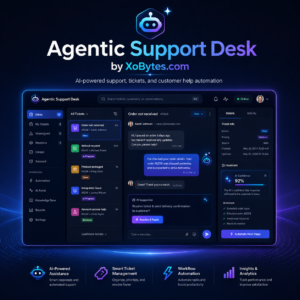
Agentic Support Desk for WordPress by XoBytes.com
$19.99
Agentic Support Desk by Xobytes is an AI-powered WordPress support desk built for software sellers, WooCommerce stores, agencies,…

Agent Shield by XoBytes | Protect against agentic software
$25.00
AgentShield is a WordPress AI Agent Firewall that helps detect, monitor, block, and temporarily ban AI crawlers, AI…
Conclusion
In conclusion, understanding the cost breakdown of building custom software development platforms is vital for businesses aiming for success. By considering key factors, estimating costs accurately, and investing in tailored solutions, businesses can enhance their operations and achieve their goals.
Therefore, as you embark on your custom software journey, keep these insights in mind. Doing so will help you make informed decisions and maximize your investment.
Continue with Understanding Custom Software Development: When and Why Your Business Needs It for additional XoBytes guidance.
Implementation Steps for Custom Software Development
Implementing custom software requires a structured approach to ensure that the final product meets business needs. Here are the key steps to follow during the implementation phase:
- Requirement Gathering: Collaborate with stakeholders to gather detailed requirements. This should include user stories, workflows, and specific functionalities needed.
- Prototyping: Develop a prototype or wireframe of the software. This helps visualize the user interface and gather feedback before full-scale development.
- Development: Begin the coding process, following agile methodologies for iterative development. This allows for ongoing feedback and adjustments throughout the process.
- Testing: Conduct thorough testing at various stages, including unit testing, integration testing, and user acceptance testing (UAT) to ensure the software meets all requirements.
- Deployment: Once testing is complete, deploy the software to a live environment. Ensure that all users are trained on how to use the new system effectively.
- Post-Deployment Support: Provide ongoing support and maintenance to address any issues that arise after deployment and to implement future updates.
Comparing Custom Software Development Models
Choosing the right development model is crucial for managing costs and ensuring project success. Here are the most common models:
- Waterfall Model: This traditional approach involves a linear process where each phase must be completed before the next begins. It is best suited for projects with well-defined requirements.
- Agile Model: Agile development emphasizes flexibility and iterative progress. Teams work in sprints, allowing for regular reassessment and adaptation based on feedback.
- DevOps Model: This model integrates development and operations to improve collaboration and efficiency. It focuses on continuous delivery and automation, which can lead to faster deployment times.
Decision Criteria for Choosing a Development Partner
Selecting the right development partner is critical to the success of your custom software project. Consider the following criteria:
- Experience: Look for a partner with a proven track record in your industry and similar projects.
- Technical Skills: Ensure the team possesses the necessary technical expertise to handle your specific requirements, including familiarity with relevant technologies.
- Communication: Effective communication is vital. Choose a partner that prioritizes clear and consistent communication throughout the development process.
- Portfolio: Review their portfolio to assess the quality of their previous work and determine if their design style aligns with your vision.
- Client Feedback: Seek testimonials or case studies from previous clients to gauge satisfaction and reliability.
Long-term Cost Considerations
While initial development costs are important, businesses should also consider long-term costs associated with custom software. These include:
- Maintenance Costs: Regular updates and maintenance are essential to keep the software functional and secure.
- Scalability Costs: As your business grows, you may need to add features or scale your software. Budgeting for this expansion is crucial.
- Training Costs: Investing in training for your team ensures they can effectively use the software, which can lead to better adoption rates and productivity.
Frequently Asked Questions
To further assist you, here are some frequently asked questions regarding custom software development:
What factors influence the cost of custom software development?
Factors include project size, required features, design complexity, and integration needs.
How can I estimate the budget for custom software?
Consider the scope, necessary technologies, and the development team's location.
Is custom software development worth the investment?
Yes, it can provide tailored solutions that enhance efficiency and meet specific business needs.