Custom software development has become a crucial element for businesses aiming to meet unique operational needs. In this article, we will explore how custom software development works, breaking down the entire process, key components, and benefits that tailored solutions can offer. Whether you are considering custom software for the first time or looking to enhance your existing systems, this comprehensive guide will provide valuable insights.
To start, let’s define what custom software development entails. Unlike off-the-shelf software, which is designed for general use, custom software is specifically created to address the unique requirements of a business. This tailored approach allows organizations to optimize their processes, improve efficiency, and ultimately drive growth.
Understanding the Custom Software Development Process
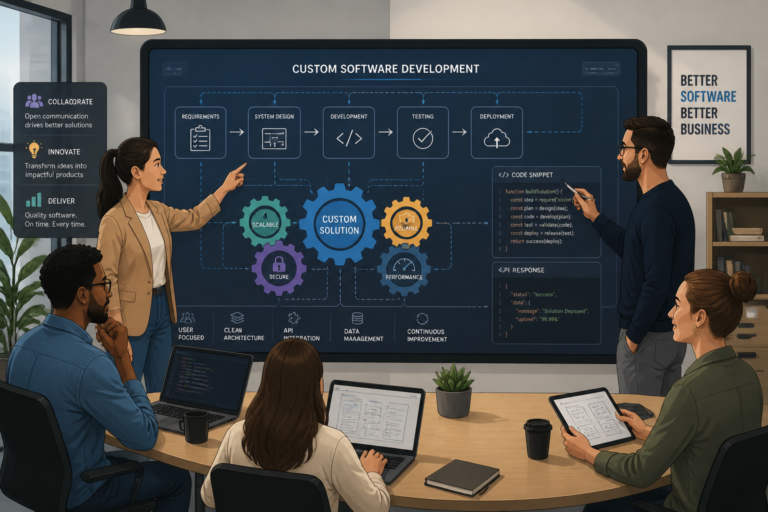
Custom software development involves several critical stages. Each step is designed to ensure that the final product aligns perfectly with business goals and user needs. The main stages include:
- Requirements Analysis: This initial phase involves gathering and analyzing the specific needs of the business. Stakeholders provide input on what they expect from the software, which helps in defining the project scope.
- System Design: After understanding the requirements, the next step is to design the system architecture. This includes defining how different components will interact and what technologies will be used.
- Coding: During this phase, developers write the actual code for the software. This is where the design comes to life, transforming specifications into a functional application.
- Testing: Once the software is developed, it undergoes rigorous testing to identify any bugs or issues. This step is crucial to ensure the software functions as intended and meets quality standards.
- Deployment: After testing, the software is deployed in a live environment. This may involve training users and ensuring that support systems are in place.
- Ongoing Maintenance: Custom software requires continual maintenance and updates to adapt to changing business needs and technology advancements.
Each of these stages is vital for the successful development of custom software. Therefore, understanding them can help businesses make informed decisions about their software needs.
For useful background on this topic, see Understanding Custom Software Development: When and Why Your Business Needs It.
Key Components of Custom Software Development
Understanding the key components of custom software development is essential for businesses looking to invest in tailored solutions. Here are some of the critical elements:
- Architecture Design: This defines the overall structure of the software, including how various components interact with each other.
- Coding Languages: Different programming languages are used depending on the software requirements. Popular languages include Java, Python, and C#.
- Databases: A robust database is necessary to store and manage data efficiently. Choices may include SQL, NoSQL, or cloud-based solutions.
- APIs: Application Programming Interfaces (APIs) allow different software systems to communicate with each other, enabling integration with other tools and services.
- User Interfaces: A user-friendly interface is critical for ensuring that users can easily navigate and utilize the software.
- Security Protocols: Security is paramount in software development. Implementing strong security measures protects sensitive data from unauthorized access.
By focusing on these components, businesses can develop software that not only meets their needs but also provides a secure and efficient user experience.
Benefits of Custom Software Development
Investing in custom software development offers numerous advantages for businesses. Here are some key benefits:
- Tailored Solutions: Custom software is designed to meet the specific needs of a business, ensuring that all functionalities align with operational goals.
- Scalability: As businesses grow, their software needs may change. Custom solutions can be easily scaled to accommodate new requirements.
- Improved Efficiency: Custom software can streamline processes, reducing time and resources spent on manual tasks.
- Competitive Advantage: By implementing solutions that are tailored to their operations, businesses can gain a competitive edge in their industry.
- Integration Capabilities: Custom software can be designed to integrate seamlessly with existing systems, enhancing overall functionality.
Given these benefits, it is clear why many organizations are making the switch to custom software solutions.
Common Challenges in Custom Software Development
While custom software development offers many benefits, it also comes with its challenges. Understanding these challenges can help businesses prepare effectively:
For a practical companion to this section, explore Understanding Custom Software Development: When and Why Your Business Needs It.
- Cost: Custom software development can be more expensive than off-the-shelf solutions. Businesses must budget accordingly and understand the long-term ROI.
- Time-Consuming: The development process can take time, especially if the requirements are complex. Therefore, planning and setting realistic timelines is essential.
- Change Management: Implementing new software requires training and adjustment for employees. Managing this change effectively is crucial for success.
Related XoBytes Products

Agentic Consultant, Product Rep, & Customer Service Agent By XoBytes.com
$19.99
Agentic Consultant for WordPress gives your website a smart AI product rep, customer service agent, and hands-free voice…

Agentic Construction Theme | More than just a theme | Built for all trades
$49.99
Why You Need This Theme And Plugin! Click here for the Demo Agentic Construction Theme by XoBytes is…
Agentic Support Desk for WordPress by XoBytes.com
$19.99
Agentic Support Desk by Xobytes is an AI-powered WordPress support desk built for software sellers, WooCommerce stores, agencies,…

Agent Shield by XoBytes | Protect against agentic software
$25.00
AgentShield is a WordPress AI Agent Firewall that helps detect, monitor, block, and temporarily ban AI crawlers, AI…
Tamper Guard by XoBytes | WordPress Plugin Tamper Detector
$25.00
Protect your commercial WordPress plugins with license-based tamper detection, file integrity monitoring, automatic shutdown protection, and site reporting.…
Product 1 of 6
By being aware of these challenges, organizations can take proactive steps to mitigate risks and ensure a smoother development process.
Real-World Applications of Custom Software
Custom software can be applied across various industries and sectors. Here are a few examples:
- Healthcare: Custom software can manage patient records, appointments, and billing, streamlining operations in medical facilities.
- Finance: Financial institutions can use tailored solutions for risk management, fraud detection, and client management.
- Retail: E-commerce businesses can develop custom platforms for inventory management, customer engagement, and sales analytics.
These examples illustrate the versatility of custom software and its potential to transform business operations.
For businesses considering custom software development, understanding the process, benefits, and challenges is crucial. As a result, companies can make informed decisions that align with their unique needs and goals.
Continue with Cost Breakdown: Building Custom Software Development Platforms for Business Success for additional XoBytes guidance.
Implementation Steps for Custom Software Development
Implementing custom software can seem daunting, but breaking it down into manageable steps can simplify the process. Here are the key implementation steps to consider:
- Define Clear Objectives: Before starting the development process, clearly outline what you want to achieve with the custom software. This includes defining specific problems the software will solve and the desired outcomes.
- Choose the Right Development Team: Selecting a skilled development team is crucial. Look for developers with experience in your industry and a proven track record in custom software projects.
- Establish a Project Timeline: Create a realistic timeline for the project, including milestones for each phase. This helps in tracking progress and ensuring timely delivery.
- Involve Stakeholders: Keep stakeholders engaged throughout the development process. Regular feedback from users can help refine the software and ensure it meets business needs.
- Conduct User Training: Once the software is ready for deployment, provide training sessions for users. This ensures that everyone is comfortable using the new system and can maximize its potential.
- Gather Feedback Post-Implementation: After deployment, collect feedback to identify any issues or areas for improvement. This feedback can guide future updates and enhancements.
Comparative Analysis: Custom Software vs. Off-the-Shelf Solutions
When deciding between custom software and off-the-shelf solutions, it’s essential to weigh the pros and cons of each. Here’s a comparative analysis:
| Feature | Custom Software | Off-the-Shelf Solutions |
|---|---|---|
| Customization | Highly customizable to meet specific business needs. | Limited customization options; may require workarounds. |
| Cost | Higher initial investment but potential for long-term savings. | Lower upfront cost but may incur additional costs for upgrades and licenses. |
| Scalability | Built to grow with your business. | May require switching to a new solution as needs change. |
| Support | Dedicated support tailored to your software. | General support; may not address specific issues promptly. |
| Implementation Time | Longer development time due to customization. | Quick to implement; ready-to-use solutions. |
Decision Criteria for Choosing Custom Software
When considering custom software development, businesses should evaluate the following criteria to determine if it’s the right choice:
- Unique Business Requirements: Assess whether your business has specific needs that off-the-shelf solutions cannot adequately address.
- Budget Considerations: Determine if your budget allows for the higher costs associated with custom software development.
- Future Growth: Consider your business’s growth trajectory and whether custom software can scale alongside your operations.
- Integration Needs: Evaluate if you require software that integrates seamlessly with existing systems and tools.
- User Experience: Think about the importance of a tailored user experience for your team and customers.
Conclusion: Making Informed Decisions
By understanding the implementation steps, comparing options, and evaluating decision criteria, businesses can make informed choices about whether to pursue custom software development. This strategic approach not only enhances operational efficiency but also positions organizations for long-term success.
Frequently Asked Questions
As you navigate the world of custom software development, you may have additional questions. Here are some frequently asked questions to help you further understand the topic:
What are the main steps involved in developing custom software?
The main steps include requirements analysis, system design, coding, testing, deployment, and ongoing maintenance. Each phase ensures the software meets specific business needs.
How does custom software differ from off-the-shelf solutions?
Custom software is tailored to your business requirements, offering greater flexibility and scalability, whereas off-the-shelf solutions are generic and may require adjustments to fit your processes.
What technical components are involved in custom software development?
Key components include architecture design, coding languages, databases, APIs, user interfaces, and security protocols, all integrated to create a cohesive solution.
When should a business consider developing custom software?
When existing solutions do not fully meet your specific needs, or you require unique features, scalability, or integration capabilities that off-the-shelf products cannot provide.
In conclusion, custom software development is a powerful tool for businesses seeking to optimize their operations and meet specific needs. By understanding how it works and the benefits it offers, organizations can make strategic decisions that contribute to their long-term success.