
In today’s fast-paced business landscape, understanding the mechanics of custom software is crucial for achieving success. Custom software development offers tailored solutions that align perfectly with specific business needs. This article will delve into how custom software works, its development process, key components, and the benefits it brings to businesses.
What is Custom Software?
Custom software refers to applications specifically designed and developed to meet the unique requirements of a business. Unlike off-the-shelf solutions, which are generic and may not fully address specific operational needs, custom software provides flexibility and scalability. As a result, businesses can achieve greater efficiency and productivity.
How Custom Software Works
Understanding the mechanics of custom software involves exploring its development process and key components. Below, we outline the main stages involved:
- Requirements Analysis: This initial stage involves gathering and analyzing the needs of the business. Stakeholders provide insights into the functionality required from the software.
- System Design: After requirements are established, the design phase begins. This includes creating architectural diagrams and defining the software’s components.
- Coding: During this phase, developers write the code based on the design specifications. This is where the actual software is built.
- Testing: Comprehensive testing ensures that the software functions as intended. This phase includes unit testing, integration testing, and user acceptance testing.
- Deployment: Once testing is complete, the software is deployed for use. This may involve installation on servers and user training.
- Ongoing Maintenance: Post-deployment, the software requires regular updates and maintenance to ensure it continues to meet business needs.
Key Components of Custom Software
Several key components contribute to the functionality and effectiveness of custom software:
For useful background on this topic, see Understanding Custom Software Development: When and Why Your Business Needs It.
- Architecture Design: A well-thought-out architecture ensures scalability and performance.
- Coding Languages: Various programming languages may be used depending on the software’s requirements.
- Databases: Data storage solutions are crucial for managing information effectively.
- APIs: Application Programming Interfaces facilitate integration with other systems and services.
- User Interfaces: A user-friendly interface enhances user experience and accessibility.
- Security Protocols: Security measures protect sensitive data and ensure compliance with regulations.
Benefits of Custom Software
Investing in custom software can yield significant benefits for businesses:
- Tailored Solutions: Custom software is designed to address specific business challenges, making it more effective than generic solutions.
- Increased Efficiency: By automating processes and optimizing workflows, custom software can enhance overall efficiency.
- Scalability: As a business grows, custom software can be adapted to accommodate increased demands.
- Competitive Advantage: Unique software solutions can provide businesses with a significant edge over competitors using off-the-shelf products.
For example, businesses that implement tailored customer relationship management (CRM) systems can better manage client interactions and improve customer satisfaction.
When to Consider Custom Software
Businesses should consider developing custom software when:
- Existing solutions do not fully meet their specific needs.
- They require unique features that off-the-shelf products cannot provide.
- There is a need for better integration with existing systems.
Ultimately, the decision to invest in custom software should align with the organization’s long-term goals and operational strategies.
Conclusion
In conclusion, understanding the mechanics of custom software is essential for businesses aiming for success. By recognizing the development process, key components, and benefits, organizations can make informed decisions about investing in tailored solutions. Custom software not only addresses specific business needs but also enhances efficiency and competitiveness.
Practical Examples of Custom Software in Action
To better understand the impact of custom software on business success, let’s explore some practical examples across various industries:
For a practical companion to this section, explore Understanding Custom Software Development: When and Why Your Business Needs It.
- Healthcare: A hospital developed a custom patient management system that streamlined appointment scheduling, patient records, and billing processes. This resulted in reduced wait times and improved patient satisfaction.
- Retail: A retail chain implemented a custom inventory management system that integrated with their e-commerce platform. This allowed for real-time inventory tracking and improved stock management, leading to increased sales and reduced overstock.
- Finance: A financial firm created a custom analytics tool that aggregated data from multiple sources, enabling better decision-making and risk assessment. This tool provided insights that off-the-shelf solutions could not deliver.
Comparing Custom Software to Off-the-Shelf Solutions
When deciding between custom software and off-the-shelf solutions, consider the following factors:
- Cost: Custom software typically requires a larger initial investment but can save money in the long run through increased efficiency. Off-the-shelf solutions often have lower upfront costs but can incur additional expenses for licensing and modifications.
- Flexibility: Custom software is designed to adapt to your specific needs, while off-the-shelf solutions may require you to adjust your processes to fit the software.
- Support and Maintenance: Custom software usually comes with dedicated support from the development team, ensuring that updates and issues are handled promptly. Off-the-shelf products may have limited support options.
Related XoBytes Products

Agentic Consultant, Product Rep, & Customer Service Agent By XoBytes.com
$19.99
Agentic Consultant for WordPress gives your website a smart AI product rep, customer service agent, and hands-free voice…

Agentic Construction Theme | More than just a theme | Built for all trades
$49.99
Why You Need This Theme And Plugin! Click here for the Demo Agentic Construction Theme by XoBytes is…
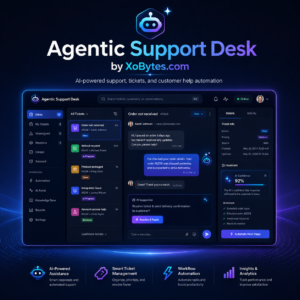
Agentic Support Desk for WordPress by XoBytes.com
$19.99
Agentic Support Desk by Xobytes is an AI-powered WordPress support desk built for software sellers, WooCommerce stores, agencies,…

Agent Shield by XoBytes | Protect against agentic software
$25.00
AgentShield is a WordPress AI Agent Firewall that helps detect, monitor, block, and temporarily ban AI crawlers, AI…
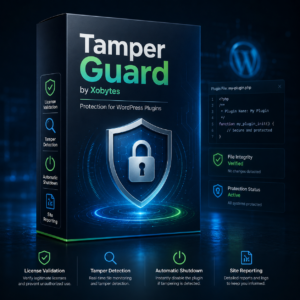
Tamper Guard by XoBytes | WordPress Plugin Tamper Detector
$25.00
Protect your commercial WordPress plugins with license-based tamper detection, file integrity monitoring, automatic shutdown protection, and site reporting.…
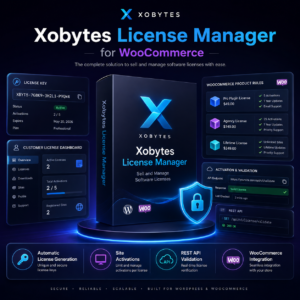
License manager for WooCommerce by XoBytes.com
$25.00
Xobytes License Manager for WooCommerce is a powerful WooCommerce license manager plugin that lets you sell software licenses,…
Product 1 of 6
Implementation Steps for Custom Software Development
Implementing custom software requires careful planning and execution. Here are the key steps to ensure a successful implementation:
- Define Objectives: Clearly outline what you want to achieve with the custom software, including specific problems it should solve.
- Engage Stakeholders: Involve key stakeholders from different departments to gather insights and ensure the software meets diverse needs.
- Select a Development Partner: Choose a reputable software development company with experience in your industry and a strong portfolio.
- Develop a Prototype: Create a prototype or minimum viable product (MVP) to test the software’s functionality and gather feedback before full-scale development.
- Training and Onboarding: Provide comprehensive training for users to ensure they are comfortable with the new system and can utilize its features effectively.
- Monitor and Optimize: After deployment, continuously monitor the software’s performance and gather user feedback to make necessary adjustments and improvements.
Decision Criteria for Custom Software Development
When considering custom software, evaluate the following criteria to determine if it’s the right choice for your business:
- Business Goals: Align the software development project with your long-term business objectives and operational strategies.
- Budget: Assess your budget for development, ongoing maintenance, and potential future upgrades.
- Timeframe: Consider the timeline for development and implementation, ensuring it fits within your business plans.
- Future Scalability: Ensure that the software can grow and evolve with your business needs.
- User Adoption: Evaluate how willing your team is to adopt new technology and how it will impact their workflows.
Integration of Custom Software with Existing Systems
One of the significant advantages of custom software is its ability to integrate seamlessly with existing systems. This integration can enhance overall functionality and streamline operations. Here are some key considerations for successful integration:
- Assess Compatibility: Evaluate the existing systems to ensure that the custom software can effectively communicate and operate alongside them.
- Utilize APIs: Leverage Application Programming Interfaces (APIs) to facilitate data exchange between the custom software and other applications.
- Data Migration: Plan for data migration from legacy systems to the new custom software, ensuring data integrity and minimal disruption.
- Testing Integration: Conduct thorough testing to confirm that the integration works as intended and does not disrupt existing processes.
Future-Proofing Your Custom Software
As technology evolves, businesses must ensure that their custom software remains relevant and effective. Here are strategies to future-proof your custom software:
Continue with Understanding Custom Data: Unlock Tailored Business Software Solutions for additional XoBytes guidance.
- Regular Updates: Schedule regular updates to incorporate new features and security patches, keeping the software aligned with current technological standards.
- Scalability Considerations: Design the software architecture with scalability in mind, allowing for easy adjustments as business needs change.
- User Feedback: Continuously gather user feedback to identify areas for improvement and adapt the software to meet changing requirements.
- Stay Informed: Keep abreast of industry trends and emerging technologies to ensure the software leverages the latest advancements.
Case Studies of Successful Custom Software Implementation
Examining real-world examples can provide valuable insights into the benefits of custom software. Here are a few case studies:
Manufacturing Industry
A manufacturing company developed a custom production management system that integrated with their supply chain software. This solution enabled real-time tracking of inventory levels and production schedules, which resulted in a 30% reduction in lead times and improved overall efficiency.
Education Sector
A university created a custom learning management system (LMS) tailored to its unique curriculum and student needs. This system allowed for personalized learning paths, better engagement through interactive content, and streamlined administrative processes, leading to a significant increase in student satisfaction rates.
Logistics and Transportation
A logistics company implemented a custom route optimization software that analyzed traffic patterns and delivery schedules. This solution reduced fuel costs by 20% and improved delivery times, enhancing customer satisfaction and operational efficiency.
Frequently Asked Questions
Here are some common questions regarding custom software development:
What are the main steps involved in developing custom software?
The main steps include requirements analysis, system design, coding, testing, deployment, and ongoing maintenance. Each phase ensures the software meets specific business needs.
How does custom software differ from off-the-shelf solutions?
Custom software is tailored to your business requirements, offering greater flexibility and scalability, whereas off-the-shelf solutions are generic and may require adjustments to fit your processes.
What technical components are involved in custom software development?
Key components include architecture design, coding languages, databases, APIs, user interfaces, and security protocols, all integrated to create a cohesive solution.
When should a business consider developing custom software?
When existing solutions do not fully meet your specific needs, or you require unique features, scalability, or integration capabilities that off-the-shelf products cannot provide.
For additional insights on custom software, check out our article on Understanding Custom Software Development: When and Why Your Business Needs It.