
In today’s fast-paced digital world, understanding the true cost of custom software support and maintenance is crucial for any business. Many organizations invest heavily in custom software to meet unique operational needs, yet they often overlook the ongoing costs associated with keeping that software functional and efficient. Therefore, this article will delve into the various factors that contribute to these costs and provide insights on how to effectively manage them.
What is Custom Software Support?
Custom software support encompasses a range of services designed to assist businesses in maintaining their tailored software solutions. This can include troubleshooting issues, implementing updates, and ensuring the software remains secure and functional. Moreover, effective support is vital for maximizing the return on investment (ROI) from custom software.
Why is Maintenance Important?
Maintenance plays a critical role in the longevity and performance of custom software. As technology evolves, software must adapt to new standards and security protocols. Therefore, regular maintenance helps prevent potential issues that could disrupt business operations. In addition, it ensures that the software continues to meet the evolving needs of the organization.
Key Factors Influencing the Cost of Custom Software Support
Several factors influence the overall cost of custom software support and maintenance:
For useful background on this topic, see Understanding the True Cost of Building Custom Software Development Platforms.
- Complexity of the Software: More intricate software systems generally require more extensive support, which can increase costs.
- Frequency of Updates: Regular updates are necessary to ensure security and functionality, and their frequency can impact overall costs.
- Level of Support Required: Businesses may opt for different levels of support, such as basic troubleshooting or comprehensive management, affecting pricing.
- Scalability Needs: As a business grows, its software needs may change, necessitating additional support services.
Estimating the Costs of Custom Software Support
Estimating the costs associated with custom software support requires a strategic approach. Here are some steps to consider:
- Analyze Current Costs: Review past expenditures on software support to identify trends and average costs.
- Forecast Future Needs: Consider potential growth and any upcoming changes in technology that may require additional resources.
- Consult with Experts: Engaging with IT professionals can provide insights into expected costs based on industry standards.
Strategies for Effective Software Maintenance
To manage custom software support costs effectively, consider the following strategies:
- Implement Regular Updates: Schedule regular updates to avoid larger issues down the line.
- Train Staff: Ensure that your team is well-trained in using the software, which can reduce the number of support requests.
- Utilize Monitoring Tools: Employ software monitoring tools to detect issues early and minimize downtime.
Common Challenges in Custom Software Support
Despite the best efforts, challenges can arise in managing custom software support:
- User Expectations: Balancing user expectations with available resources can be difficult.
- Technological Changes: Keeping up with fast-paced technological advancements requires ongoing training and adaptation.
- Timeliness of Support: Providing timely support can be challenging, especially for complex issues.
Budgeting for Custom Software Maintenance
When it comes to budgeting for software maintenance, consider the following:
- Historical Data: Use historical data to inform future budgeting decisions.
- Allocate Resources: Ensure that enough resources are allocated for unexpected issues.
- Review and Adjust: Regularly review the budget and adjust as necessary based on actual expenditures.
Conclusion
Understanding the true cost of custom software support and maintenance is vital for any organization leveraging tailored software solutions. By recognizing the factors that influence these costs and implementing effective management strategies, businesses can ensure they are well-prepared for the ongoing expenses associated with their software. Therefore, investing in proper support can lead to enhanced efficiency and productivity, ultimately contributing to the overall success of the organization.
For a practical companion to this section, explore Understanding the True Cost to Build a Custom Software Development Platform.
Practical Examples of Custom Software Support Costs
To better understand the true cost of custom software support, consider the following examples:
- E-Commerce Platform: A custom e-commerce solution may require ongoing support for payment gateway integrations, inventory management, and user experience enhancements. The annual support cost could range from 15% to 20% of the initial development cost.
- Healthcare Management System: In the healthcare sector, custom software must comply with strict regulations. Support costs may include regular security audits and updates to ensure compliance, potentially costing 20% to 25% of the initial investment.
- Mobile Application: For a custom mobile app, ongoing support might involve regular updates to meet new operating system requirements. This could lead to costs averaging 10% to 15% of the development budget annually.
Comparing In-House vs. Outsourced Support
When deciding how to manage custom software support, businesses often weigh the pros and cons of in-house versus outsourced support:
In-House Support
- Pros: Immediate access to team members familiar with the software, potential for faster response times, and better alignment with company culture.
- Cons: Higher fixed costs due to salaries and benefits, potential skill gaps, and limited availability for complex issues.
Related XoBytes Products
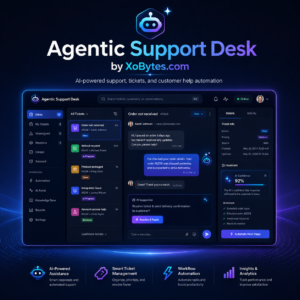
Agentic Support Desk for WordPress by XoBytes.com
$19.99
Agentic Support Desk by Xobytes is an AI-powered WordPress support desk built for software sellers, WooCommerce stores, agencies,…

Agentic Consultant, Product Rep, & Customer Service Agent By XoBytes.com
$19.99
Agentic Consultant for WordPress gives your website a smart AI product rep, customer service agent, and hands-free voice…

Agent Shield by XoBytes | Protect against agentic software
$25.00
AgentShield is a WordPress AI Agent Firewall that helps detect, monitor, block, and temporarily ban AI crawlers, AI…
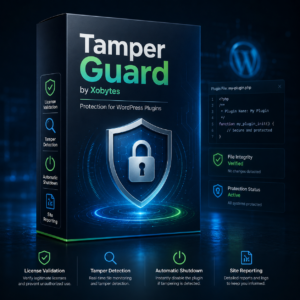
Tamper Guard by XoBytes | WordPress Plugin Tamper Detector
$25.00
Protect your commercial WordPress plugins with license-based tamper detection, file integrity monitoring, automatic shutdown protection, and site reporting.…
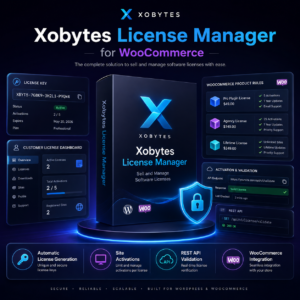
License manager for WooCommerce by XoBytes.com
$25.00
Xobytes License Manager for WooCommerce is a powerful WooCommerce license manager plugin that lets you sell software licenses,…

Plugin Update Server for WordPress by XoBytes.com
$25.00
Plugin Update Server by XoBytes lets WordPress plugin sellers deliver private plugin updates directly to customer dashboards. Upload…
Product 1 of 6
Outsourced Support
- Pros: Access to a wide range of expertise, lower variable costs, and the ability to scale support as needed.
- Cons: Possible communication barriers, longer response times, and less control over the support process.
Implementation Steps for Effective Custom Software Support
To ensure a successful custom software support process, consider the following implementation steps:
- Define Support Objectives: Clearly outline what you expect from the support service, including response times, issue resolution, and communication protocols.
- Choose the Right Support Model: Decide whether to keep support in-house or outsource it based on your business needs and budget.
- Establish a Support Team: If opting for in-house support, assemble a skilled team with the necessary expertise in the software.
- Develop a Knowledge Base: Create documentation and resources that can help both users and support staff troubleshoot common issues.
- Monitor Performance: Regularly assess the effectiveness of your support system by tracking key performance indicators (KPIs) such as response time and user satisfaction.
Decision Criteria for Choosing Support Providers
When evaluating potential custom software support providers, consider the following criteria:
Continue with Understanding the True Cost and Key Drivers of Custom Software Projects for additional XoBytes guidance.
- Experience and Expertise: Look for providers with a proven track record in your industry and familiarity with the specific technologies used in your software.
- Service Level Agreements (SLAs): Review SLAs to ensure they meet your needs regarding response times and issue resolution commitments.
- Cost Structure: Understand the pricing model, including any hidden fees or costs associated with additional services.
- Customer Reviews: Research client testimonials and case studies to gauge the provider’s reliability and service quality.
Practical Examples of Cost Management in Custom Software Support
To further illustrate the importance of managing custom software support costs effectively, consider these practical scenarios:
- Retail Management System: A retail business utilizing a custom management system may face costs associated with inventory tracking and point-of-sale integrations. Regular updates and support could amount to 15% of the initial development cost annually.
- Financial Services Software: In the financial sector, compliance with regulations is paramount. Support costs may include frequent updates and security audits, potentially reaching 25% of the initial investment.
- Education Platforms: Custom e-learning platforms require ongoing support for content updates and user management. Annual support costs can range from 10% to 20% of the development budget, depending on the complexity and user base.
Comparative Analysis of Support Models
When it comes to custom software support, choosing between in-house and outsourced models can significantly impact costs and service quality. Here’s a comparative analysis:
| Criteria | In-House Support | Outsourced Support |
|---|---|---|
| Cost | Higher fixed costs due to salaries and benefits | Variable costs, potentially lower overall |
| Expertise | Limited to team members’ skills | Access to a broader range of expertise |
| Response Time | Generally faster due to proximity | May vary based on provider |
| Control | More control over processes | Less direct control over support operations |
Implementation Steps for a Successful Support Strategy
To implement an effective custom software support strategy, follow these steps:
- Assess Your Needs: Evaluate the specific support requirements based on your software’s complexity and user base.
- Budget Allocation: Allocate a realistic budget for support that includes potential unforeseen costs.
- Choose a Support Model: Decide between in-house and outsourced support based on your analysis of costs and expertise.
- Develop Training Programs: Invest in training for both staff and support teams to ensure everyone is equipped to handle issues effectively.
- Establish Clear Communication Channels: Set up effective communication protocols between users and support teams to streamline issue resolution.
Decision Criteria for Evaluating Support Providers
When selecting a custom software support provider, consider these critical criteria:
- Industry Experience: Look for providers with experience in your specific industry to ensure they understand your unique challenges.
- Technical Expertise: Evaluate their technical capabilities and familiarity with the technologies used in your software.
- Response Time Guarantees: Check if they provide guarantees on response times to ensure timely support.
- Client References: Request references or case studies from previous clients to assess their reliability and service quality.
Frequently Asked Questions
Here are some common questions regarding custom software support:
- What is custom software support? Custom software support refers to ongoing assistance for software applications tailored to a business’s specific needs, including troubleshooting, updates, and maintenance.
- Why is maintenance important for custom software? Maintenance is crucial for ensuring that custom software remains functional, secure, and up-to-date, thereby maximizing its value for the business.
- How can I estimate the cost of software support? Estimating the cost involves considering factors such as the complexity of the software, the required support level, and the frequency of updates and maintenance.
- What are the common challenges in software support? Challenges include managing user expectations, keeping up with technological changes, and ensuring timely updates and bug fixes.
- How can I budget for custom software maintenance? Budgeting can be done by analyzing past support costs, forecasting future needs, and considering potential growth and scaling requirements.