
In the modern business landscape, custom software solutions are essential for meeting unique operational needs. However, understanding what influences custom software support costs is crucial for effective budgeting and decision-making. In this article, we will provide a complete breakdown of the factors affecting these costs, helping you make informed choices for your organization.
Understanding Custom Software Support
Custom software support refers to the ongoing assistance provided to maintain and enhance software tailored specifically for a business. This includes troubleshooting, updates, and modifications to meet evolving business needs. As a result, the costs associated with support can vary significantly based on several factors.
Key Factors Influencing Support Costs
To make this easier, let’s explore the primary factors that influence custom software support costs:
- Complexity of the Software: More complex software solutions typically require more extensive support. Therefore, businesses should assess the intricacy of their software and its components.
- Required Expertise: The level of expertise needed for support can significantly impact costs. For example, specialized knowledge in specific programming languages or frameworks may command higher fees.
- Ongoing Maintenance Needs: Regular updates and maintenance are necessary to ensure software performance. Consequently, the frequency and type of maintenance required can influence overall costs.
- Technology Stack: The choice of technology stack can also affect support costs. For instance, using widely adopted technologies may lower costs due to the availability of expertise.
- Geographic Factors: Support costs can vary based on geographical location. For example, hiring local experts may be more expensive than outsourcing to regions with lower labor costs.
Estimating Custom Software Support Costs
Estimating support costs can be challenging, but it is essential for effective budgeting. Here are some steps to help you estimate:
- Assess Your Software Needs: Evaluate the complexity and specific requirements of your software.
- Consult with Vendors: Reach out to service providers for quotes based on your software’s needs.
- Consider Long-Term Needs: Factor in potential future upgrades and maintenance requirements in your estimation.
- Review Historical Data: If available, analyze past support costs to inform your estimates.
Benefits of Understanding Support Costs
Understanding custom software support costs provides several benefits for businesses:
- Better Budgeting: Accurate cost assessments help in allocating resources effectively.
- Enhanced Decision-Making: Knowledge of costs allows for informed decisions regarding software investments.
- Improved Planning: Anticipating future support needs can lead to better strategic planning.
Conclusion
In summary, understanding what influences custom software support costs is key to effective budgeting and decision-making. By considering factors such as complexity, required expertise, and ongoing maintenance needs, businesses can better prepare for their software support expenses. For more insights into software costs, check out our article on Understanding the True Cost of Custom Software Support and Maintenance.
Additional Factors to Consider
While the primary factors influencing custom software support costs have been outlined, there are additional considerations that can further impact these expenses. Understanding these factors can provide a more comprehensive view of potential costs.
Integration with Existing Systems
Custom software often needs to integrate with existing systems and platforms, which can complicate support. This complexity can lead to increased costs due to:
- Compatibility Issues: Ensuring that new software works seamlessly with legacy systems may require additional support and troubleshooting.
- Data Migration: Transferring data between systems can be time-consuming and may necessitate specialized expertise.
Regulatory Compliance
Many industries are subject to strict regulatory requirements that can influence software support costs. Compliance-related factors include:
- Frequent Updates: Regulations may require regular updates to software to remain compliant, increasing maintenance costs.
- Audit Support: Providing documentation and support during audits can add to ongoing expenses.
Scalability Requirements
As businesses grow, their software needs may evolve. If a custom solution is designed with scalability in mind, the support costs may vary:
For a practical companion to this section, explore How Custom Software Development Works: A Complete Breakdown.
- Future-Proofing: Anticipating growth can lead to higher initial costs but may reduce future support expenses.
- Performance Optimization: Ensuring that the software can handle increased loads may require ongoing adjustments and support.
Practical Examples of Support Cost Variations
To illustrate how different factors can influence support costs, consider the following examples:
Example 1: E-Commerce Platform
An e-commerce platform with high traffic and complex functionalities may incur higher support costs due to:
- Regular updates for security and payment processing integrations.
- 24/7 support requirements to handle customer inquiries and technical issues.
Example 2: Healthcare Software
Healthcare software must comply with regulations such as HIPAA, which can lead to increased support costs due to:
- Ongoing compliance updates.
- Specialized knowledge required for data security and privacy.
Comparative Analysis: In-House vs. Outsourced Support
Deciding between in-house support and outsourcing can significantly impact costs:
- In-House Support:
- Pros: Greater control, direct communication, and deeper understanding of the software.
- Cons: Higher fixed costs, ongoing training needs, and potential for resource constraints.
- Outsourced Support:
- Pros: Flexibility, access to specialized skills, and potentially lower costs.
- Cons: Less control, potential communication barriers, and reliance on third-party availability.
Related XoBytes Products
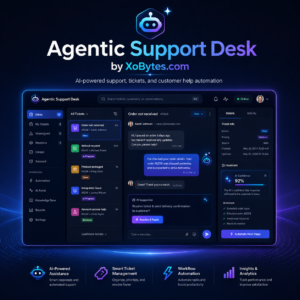
Agentic Support Desk for WordPress by XoBytes.com
$19.99
Agentic Support Desk by Xobytes is an AI-powered WordPress support desk built for software sellers, WooCommerce stores, agencies,…

Agentic Consultant, Product Rep, & Customer Service Agent By XoBytes.com
$19.99
Agentic Consultant for WordPress gives your website a smart AI product rep, customer service agent, and hands-free voice…

Agent Shield by XoBytes | Protect against agentic software
$25.00
AgentShield is a WordPress AI Agent Firewall that helps detect, monitor, block, and temporarily ban AI crawlers, AI…
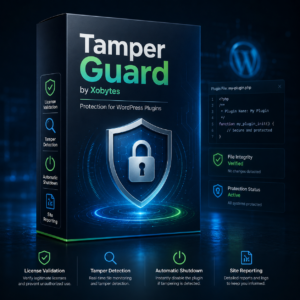
Tamper Guard by XoBytes | WordPress Plugin Tamper Detector
$25.00
Protect your commercial WordPress plugins with license-based tamper detection, file integrity monitoring, automatic shutdown protection, and site reporting.…

Agentic Construction Theme | More than just a theme | Built for all trades
$49.99
Why You Need This Theme And Plugin! Click here for the Demo Agentic Construction Theme by XoBytes is…
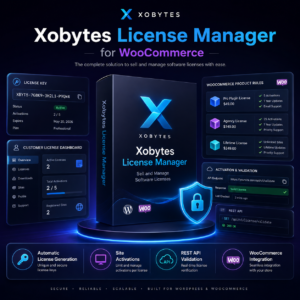
License manager for WooCommerce by XoBytes.com
$25.00
Xobytes License Manager for WooCommerce is a powerful WooCommerce license manager plugin that lets you sell software licenses,…
Product 1 of 6
Implementation Steps for Managing Support Costs
To effectively manage and potentially reduce custom software support costs, consider the following implementation steps:
- Conduct a Comprehensive Needs Assessment: Evaluate your software’s current and future requirements to identify potential areas for cost savings.
- Establish Clear Support Agreements: Define the scope of support, response times, and costs in your service level agreements (SLAs).
- Invest in Training: Equip your team with the necessary skills to handle basic support tasks, reducing reliance on external resources.
- Monitor and Evaluate Support Performance: Regularly assess the effectiveness of your support strategy and make adjustments as needed.
Decision Criteria for Choosing Support Options
When evaluating your options for custom software support, consider these decision criteria:
Continue with Comprehensive Guide to Custom Software Development: Benefits, Costs, and Key Factors for additional XoBytes guidance.
- Cost vs. Value: Assess whether the costs align with the value provided by the support service.
- Expertise Level: Ensure that the support team has the necessary skills and experience relevant to your software.
- Scalability of Support: Determine if the support option can grow with your business needs.
- Response Time: Evaluate the responsiveness of the support team to ensure timely assistance when issues arise.
Practical Examples of Cost Influences
Understanding how various factors influence custom software support costs can be better illustrated through practical examples. Here are two scenarios that highlight the impact of different elements on support expenses:
Example 1: E-Commerce Platform
- High Traffic Demands: An e-commerce platform experiencing significant traffic may require dedicated server resources and load balancing, leading to increased support costs.
- Complex Functionalities: Features like real-time inventory tracking and customer personalization require continuous updates and specialized support, further inflating costs.
- Security Protocols: Regular security audits and updates for payment processing integrations are essential, adding to the ongoing maintenance expenses.
Example 2: Healthcare Software
- Regulatory Compliance: Software in the healthcare sector must comply with regulations such as HIPAA, necessitating frequent updates and audits, which can significantly increase support costs.
- Data Security Expertise: Specialized knowledge in data protection and privacy laws is required, leading to higher fees for qualified support personnel.
- Patient Data Management: Managing sensitive patient data requires robust systems and ongoing support to ensure compliance and security, resulting in elevated costs.
Comparative Analysis: In-House vs. Outsourced Support
When deciding between in-house and outsourced support, it is crucial to weigh the pros and cons of each option:
In-House Support
- Pros:
- Greater control over support processes and immediate communication.
- Deep understanding of the software and business needs.
- Cons:
- Higher fixed costs associated with salaries and benefits.
- Ongoing training requirements to keep skills current.
Outsourced Support
- Pros:
- Access to specialized skills that may not be available in-house.
- Potentially lower costs due to flexible pricing models.
- Cons:
- Less control over support quality and processes.
- Possible communication barriers and time zone differences.
Implementation Steps for Managing Support Costs
To effectively manage and potentially reduce custom software support costs, consider the following implementation steps:
- Conduct a Comprehensive Needs Assessment: Evaluate your software’s current and future requirements to identify potential areas for cost savings.
- Establish Clear Support Agreements: Define the scope of support, response times, and costs in your service level agreements (SLAs).
- Invest in Training: Equip your team with the necessary skills to handle basic support tasks, reducing reliance on external resources.
- Monitor and Evaluate Support Performance: Regularly assess the effectiveness of your support strategy and make adjustments as needed.
Decision Criteria for Choosing Support Options
When evaluating your options for custom software support, consider these decision criteria:
- Cost vs. Value: Assess whether the costs align with the value provided by the support service.
- Expertise Level: Ensure that the support team has the necessary skills and experience relevant to your software.
- Scalability of Support: Determine if the support option can grow with your business needs.
- Response Time: Evaluate the responsiveness of the support team to ensure timely assistance when issues arise.
Frequently Asked Questions
In this section, we will address some common questions related to custom software support costs.
What are the main factors influencing custom software support costs?
Main factors include complexity, required expertise, ongoing maintenance needs, and the technology stack used.
How can businesses estimate their custom software support costs?
Businesses can estimate costs by analyzing their software needs, the level of support required, and consulting with vendors.
Why is understanding support costs important for businesses?
Understanding support costs helps businesses budget effectively, allocate resources wisely, and ensure long-term software viability.