
In the fast-paced world of technology, businesses increasingly rely on custom software to meet their unique operational needs. However, the journey doesn’t end after the software is developed; budgeting for custom software support and ongoing maintenance is equally crucial. In this article, we will explore effective strategies to help you budget for these essential services.
Understanding the Importance of Budgeting for Custom Software Support
Many businesses underestimate the long-term costs associated with custom software. Therefore, understanding the importance of budgeting for software support is critical. Proper budgeting helps ensure that your software remains functional, secure, and up-to-date.
Moreover, effective budgeting can lead to better resource allocation and minimize unexpected costs. Thus, it’s essential to consider various factors when planning your budget for software support.
Key Factors to Consider When Budgeting for Software Support
To make this easier, let’s break down the key factors you should consider:
For useful background on this topic, see Comprehensive Guide to Estimating and Budgeting for Custom Software Development.
- Frequency of Updates: Software often requires regular updates to fix bugs, enhance security, and improve functionality. Determine how often updates will be needed and budget accordingly.
- Complexity of Software: More complex software systems may require more intensive support. Assess the complexity to estimate the required support hours accurately.
- Support Team Availability: Consider whether you will have an in-house support team or if you will outsource support. Each option has different cost implications.
- Training Costs: Ensure that your team is trained to use and troubleshoot the software effectively. Include training costs in your budget.
- Third-party Services: Sometimes, you may need to hire external experts for specific issues. Factor these potential costs into your budget.
Creating a Comprehensive Budget Plan
After identifying the key factors, you can begin drafting a comprehensive budget plan. Here’s how:
- Assess Current and Future Needs: Evaluate your current software needs and anticipate future requirements. This foresight will help you create a more accurate budget.
- Gather Quotes: If you plan to outsource support, gather quotes from various providers to compare costs.
- Allocate Resources: Based on your assessments, allocate resources for each aspect of software support, including personnel, training, and third-party services.
- Monitor and Adjust: Once your budget is in place, monitor actual spending against your budget and adjust as necessary. This will help you stay on track and avoid overspending.
Common Mistakes to Avoid When Budgeting for Software Support
When budgeting for custom software support, it is essential to avoid common pitfalls. Here are a few mistakes to watch out for:
- Underestimating Costs: Many businesses underestimate the costs associated with software support. Ensure you have a buffer in your budget for unexpected expenses.
- Neglecting Training: Failing to include training costs can lead to inefficiencies. Make sure your team is well-trained to handle the software.
- Ignoring Maintenance: Regular maintenance is crucial for software longevity. Don’t overlook this aspect when budgeting.
- Not Reviewing the Budget: Regularly review your budget to ensure it aligns with your current needs. Adjust as necessary to avoid financial strain.
Conclusion
In conclusion, budgeting for custom software support and ongoing maintenance is vital for ensuring your software continues to meet your business needs. By considering key factors, creating a comprehensive budget plan, and avoiding common mistakes, you can effectively manage your software support costs.
For more insights, consider reading our article on Understanding the True Cost of Custom Software Support and Maintenance. This resource will provide you with additional information to help refine your budgeting strategies.
Understanding Different Support Models
When budgeting for custom software support, it’s essential to understand the various support models available. Each model has its own cost structure and implications for your budget. Here are some common support models:
- In-House Support: This model involves hiring a dedicated team within your organization. While it may seem costly upfront, having an in-house team can lead to faster response times and a deeper understanding of the software.
- Outsourced Support: Outsourcing support can be a cost-effective option, especially for smaller businesses. However, it’s crucial to vet providers thoroughly to ensure quality service.
- Hybrid Model: A combination of in-house and outsourced support can provide flexibility. For example, you might handle routine maintenance internally while outsourcing specialized tasks.
Establishing a Maintenance Schedule
Creating a maintenance schedule is a proactive way to manage software support costs. Here’s how to establish an effective schedule:
- Identify Critical Updates: Determine which updates are essential for security and functionality. Prioritize these in your maintenance schedule.
- Set Regular Intervals: Decide how often you will conduct maintenance checks (e.g., monthly, quarterly). Regular intervals can help prevent issues from escalating.
- Document Everything: Keep a detailed record of all maintenance activities. This documentation can help in future budgeting and decision-making.
Related XoBytes Products
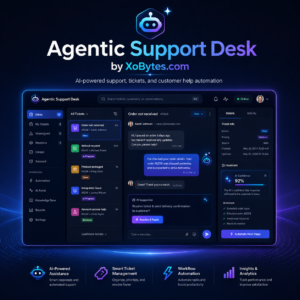
Agentic Support Desk for WordPress by XoBytes.com
$19.99
Agentic Support Desk by Xobytes is an AI-powered WordPress support desk built for software sellers, WooCommerce stores, agencies,…

Agentic Consultant, Product Rep, & Customer Service Agent By XoBytes.com
$19.99
Agentic Consultant for WordPress gives your website a smart AI product rep, customer service agent, and hands-free voice…

Agent Shield by XoBytes | Protect against agentic software
$25.00
AgentShield is a WordPress AI Agent Firewall that helps detect, monitor, block, and temporarily ban AI crawlers, AI…
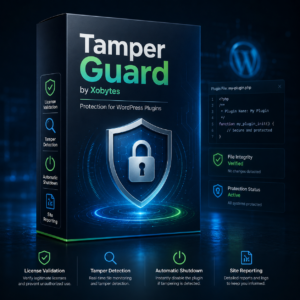
Tamper Guard by XoBytes | WordPress Plugin Tamper Detector
$25.00
Protect your commercial WordPress plugins with license-based tamper detection, file integrity monitoring, automatic shutdown protection, and site reporting.…
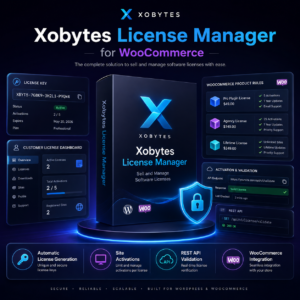
License manager for WooCommerce by XoBytes.com
$25.00
Xobytes License Manager for WooCommerce is a powerful WooCommerce license manager plugin that lets you sell software licenses,…

Plugin Update Server for WordPress by XoBytes.com
$25.00
Plugin Update Server by XoBytes lets WordPress plugin sellers deliver private plugin updates directly to customer dashboards. Upload…
Product 1 of 6
Real-World Budgeting Examples
To provide clarity on how to budget for custom software support, consider the following hypothetical scenarios:
- Small Business Example: A small e-commerce business might allocate $5,000 annually for software support, including $3,000 for outsourced support and $2,000 for training and updates.
- Medium-Sized Enterprise Example: A medium-sized enterprise may budget $20,000 annually, with $10,000 for in-house support, $5,000 for third-party services, and $5,000 for ongoing training.
- Large Corporation Example: A large corporation could have a software support budget of $100,000, including a dedicated team of developers, regular training sessions, and a reserve for unexpected costs.
Evaluating Software Performance Metrics
To ensure that your software support budget is effective, regularly evaluate software performance metrics. Key metrics to consider include:
- Response Time: Measure how quickly support requests are addressed.
- Resolution Rate: Track the percentage of issues resolved on the first contact.
- User Satisfaction: Conduct surveys to gauge user satisfaction with software performance and support.
Leveraging Technology for Cost Efficiency
Utilizing technology can significantly enhance the efficiency of your software support budget. Consider the following tools:
- Help Desk Software: Implementing help desk software can streamline support requests and improve response times.
- Monitoring Tools: Use monitoring tools to proactively identify issues before they escalate, reducing the need for emergency support.
- Documentation Platforms: Create a centralized knowledge base to help users troubleshoot common issues independently, reducing support requests.
Implementing a Cost-Benefit Analysis
Before finalizing your budget for custom software support, conducting a cost-benefit analysis can provide valuable insights. This process involves comparing the expected costs of support and maintenance with the anticipated benefits, helping you make informed decisions. Here’s how to implement a cost-benefit analysis:
Continue with Cost Breakdown and Budgeting Tips for Custom Software Platforms for additional XoBytes guidance.
- Identify Costs: List all potential costs associated with support, including personnel, training, and third-party services.
- Estimate Benefits: Consider the benefits your software brings, such as increased efficiency, reduced downtime, and improved customer satisfaction.
- Calculate ROI: Use the formula ROI = (Net Benefits / Costs) x 100 to determine the return on investment. A positive ROI indicates that the benefits outweigh the costs.
Choosing the Right Support Tools
Investing in the right tools can streamline your custom software support process and enhance efficiency. Here are some essential tools to consider:
- Project Management Software: Tools like Trello or Asana can help manage tasks related to software updates and support requests.
- Collaboration Tools: Platforms such as Slack or Microsoft Teams facilitate communication among support teams, improving response times.
- Analytics Tools: Implement analytics tools to track software performance and user engagement, providing data to inform future budgeting decisions.
Establishing Clear Communication Channels
Effective communication is vital for successful software support. Establishing clear communication channels can help ensure that all stakeholders are informed and involved in the support process. Consider the following strategies:
- Regular Meetings: Schedule regular check-ins with your support team to discuss ongoing issues and updates.
- Feedback Loops: Create mechanisms for users to provide feedback on software performance and support quality, allowing for continuous improvement.
- Transparent Reporting: Share budget reports and performance metrics with relevant stakeholders to maintain transparency and encourage collaboration.
Assessing Long-Term Support Needs
As your business grows and evolves, so too will your software support needs. Regularly assess and adjust your budget to accommodate these changes. Here are steps to ensure your budget remains relevant:
- Annual Reviews: Conduct yearly reviews of your software support budget to align it with your current business goals and operational needs.
- Scalability Planning: Consider how your software needs may change as your business scales. Budget for potential increases in support costs as user numbers grow.
- Future-Proofing: Allocate resources for emerging technologies and trends that may impact your software, ensuring that your budget remains adaptable.
Engaging Stakeholders in the Budgeting Process
Involving key stakeholders in the budgeting process can lead to more comprehensive and effective financial planning. Here are some strategies for engaging stakeholders:
- Gather Input: Solicit feedback from team members who use the software regularly to understand their support needs and challenges.
- Collaborative Workshops: Host workshops with stakeholders to brainstorm ideas and strategies for effective budgeting.
- Consensus Building: Work towards building consensus among stakeholders on budget priorities to ensure everyone’s needs are considered.
Frequently Asked Questions
Here are some common questions regarding budgeting for custom software support:
- What is custom software support? Custom software support refers to the ongoing assistance and maintenance provided for software tailored to meet specific business needs.
- Why is budgeting for software support important? Budgeting for software support ensures that businesses allocate sufficient resources for ongoing maintenance, updates, and troubleshooting, which helps maintain software performance.
- What factors should I consider when budgeting for software maintenance? Consider factors such as software complexity, frequency of updates, support team availability, and potential costs for third-party services.
- How can I reduce costs for custom software support? You can reduce costs by evaluating your support needs, opting for a maintenance plan, and training internal staff to handle common issues.