
In today’s digital landscape, understanding the factors that affect the cost of supporting custom software systems is essential for businesses looking to optimize their technology investments. As companies increasingly rely on tailored software solutions, grasping the nuances of support costs can lead to better budgeting and enhanced operational efficiency. This article delves into the key elements that influence these costs, providing you with the insights needed to navigate your software management effectively.
Understanding Custom Software Support Costs
Custom software support costs encompass a range of expenses associated with maintaining and updating software systems after their initial deployment. These costs can be influenced by several factors, including:
- Complexity of the Software: The more complex a software system is, the higher the support costs are likely to be. Complex systems often require specialized knowledge and skills to maintain, which can increase labor costs.
- Team Expertise: The skill level of the support team plays a significant role in determining costs. Experienced developers may command higher salaries, but they can also resolve issues more quickly and efficiently.
- Maintenance Requirements: Regular updates and maintenance are necessary to keep software running smoothly. The frequency and extent of these updates can significantly impact support costs.
- Technology Stack: The choice of programming languages, frameworks, and tools used in the software can also affect support costs. Some technologies may require more specialized knowledge, driving up expenses.
Moreover, factors such as the geographical location of your support team and the specific needs of your business can further influence costs. Therefore, understanding these variables is crucial for effective budgeting.
Key Factors Influencing Software Support Costs
To make the budgeting process easier, let’s explore some key factors in greater detail:
For useful background on this topic, see Key Factors That Affect the Cost to Develop Custom Software Platforms.
1. Software Complexity
Complex software systems often involve more intricate coding, numerous integrations, and advanced functionalities. As a result, they require more time and effort to support. For instance, a software platform with multiple user roles, extensive data handling, and third-party integrations will typically incur higher support costs than a simple application.
2. Team Expertise
Having a skilled support team is essential for managing custom software effectively. Highly qualified professionals can diagnose and resolve issues more efficiently, reducing downtime and associated costs. Investing in training and professional development for your team can lead to better long-term outcomes.
3. Maintenance and Update Frequency
Regular software maintenance is critical to ensuring optimal performance. This includes bug fixes, security updates, and feature enhancements. The more frequently these updates are required, the higher the support costs will be. Consequently, businesses should establish a maintenance schedule that aligns with their operational needs.
4. Technology Stack
The choice of technology stack can greatly impact support costs. Some programming languages and frameworks are more widely understood than others, which can affect the availability of skilled developers. Additionally, legacy systems may require specialized knowledge, further driving up costs.
Strategies to Optimize Custom Software Support Costs
While understanding the factors influencing support costs is essential, implementing strategies to optimize these expenses is equally important. Here are some effective approaches:
- Invest in Quality Development: Ensuring high-quality development from the outset can reduce the number of bugs and issues that arise later, ultimately lowering support costs.
- Utilize Automation Tools: Implementing automation tools can streamline maintenance tasks and reduce the workload on your support team.
- Regular Training: Providing ongoing training for your team helps them stay updated on best practices and new technologies, which can improve efficiency and reduce errors.
- Monitor Performance: Regularly monitoring your software’s performance can help identify potential issues before they escalate, allowing for proactive maintenance.
Evaluating Your Custom Software Support Needs
When assessing your custom software support needs, consider the following:
For a practical companion to this section, explore What Influences Custom Software Support Costs? A Complete Breakdown.
- Define Your Requirements: Clearly outline what you need from your support team, including response times, expertise, and availability.
- Analyze Your Current Costs: Review your existing support costs to identify areas for improvement and potential savings.
- Plan for Scalability: As your business grows, your software support needs may change. Ensure that your support plan can scale accordingly.
Related XoBytes Products

Agentic Consultant, Product Rep, & Customer Service Agent By XoBytes.com
$19.99
Agentic Consultant for WordPress gives your website a smart AI product rep, customer service agent, and hands-free voice…
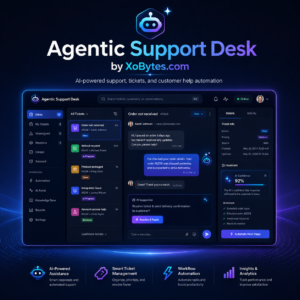
Agentic Support Desk for WordPress by XoBytes.com
$19.99
Agentic Support Desk by Xobytes is an AI-powered WordPress support desk built for software sellers, WooCommerce stores, agencies,…

Agent Shield by XoBytes | Protect against agentic software
$25.00
AgentShield is a WordPress AI Agent Firewall that helps detect, monitor, block, and temporarily ban AI crawlers, AI…

Social Media Autopilot With AI by XoBytes.com
$19.99
Xobytes Social Autopilot is a WordPress social media autoposter that helps schedule and promote posts, pages, WooCommerce products,…
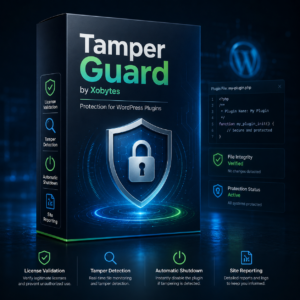
Tamper Guard by XoBytes | WordPress Plugin Tamper Detector
$25.00
Protect your commercial WordPress plugins with license-based tamper detection, file integrity monitoring, automatic shutdown protection, and site reporting.…

Agentic Construction Theme | More than just a theme | Built for all trades
$49.99
Why You Need This Theme And Plugin! Click here for the Demo Agentic Construction Theme by XoBytes is…
Product 1 of 6
By taking a strategic approach to evaluating your support needs, you can better manage costs and enhance the effectiveness of your software systems.
Conclusion
In conclusion, understanding the factors that affect the cost of supporting custom software systems is crucial for effective budgeting and decision-making. By considering the complexity of the software, team expertise, maintenance requirements, and technology stack, businesses can develop a comprehensive strategy for managing their software support costs. Additionally, implementing optimization strategies can lead to significant savings and improved operational efficiency.
Understanding the Total Cost of Ownership (TCO)
When evaluating custom software support costs, it’s essential to consider the Total Cost of Ownership (TCO). TCO encompasses not just the immediate support costs but also the long-term expenses associated with software systems. This includes:
- Initial Development Costs: The costs incurred during the software development phase, including design, coding, and testing.
- Operational Costs: Ongoing expenses related to running the software, such as hosting, licensing, and infrastructure.
- Support and Maintenance Costs: Regular expenses for updates, bug fixes, and technical support.
- Training Costs: Expenses related to training staff to effectively use and manage the software.
By calculating TCO, businesses can gain a clearer picture of the financial commitment involved in maintaining custom software systems over time.
Practical Examples of Cost Influences
Understanding how various factors can influence costs is crucial. Here are some practical examples:
Continue with Key Factors Influencing the Cost of Custom Software Development for additional XoBytes guidance.
- Case Study: E-commerce Platform – An e-commerce business with a highly customized platform faced increased support costs due to frequent updates required for security compliance and payment processing integrations. By switching to a more standardized platform, they reduced their support costs by 30%.
- Case Study: Healthcare Software – A healthcare provider using a legacy system found that the lack of available expertise drove support costs up by 50%. By investing in a modern solution with a more common technology stack, they not only reduced costs but also improved system performance.
Comparing In-House vs. Outsourced Support
Deciding between in-house and outsourced support can significantly affect your custom software support costs. Here are some considerations:
- In-House Support:
- Pros: Greater control over the support process, faster response times, and a deeper understanding of your software.
- Cons: Higher fixed costs due to salaries and benefits, potential underutilization of staff during low-demand periods.
- Outsourced Support:
- Pros: Flexible pricing models, access to a broader range of expertise, and the ability to scale support as needed.
- Cons: Potential communication challenges and less control over the support process.
Analyzing these factors can help businesses make informed decisions about their software support strategy.
Implementation Steps for Optimizing Support Costs
To effectively manage and optimize custom software support costs, consider the following implementation steps:
- Conduct a Support Audit: Review existing support processes, costs, and performance metrics to identify areas for improvement.
- Set Clear Performance Metrics: Define key performance indicators (KPIs) for your support team, such as response times, resolution rates, and customer satisfaction.
- Leverage Technology: Utilize support management tools and software to streamline processes, track issues, and enhance communication.
- Establish a Knowledge Base: Create a centralized repository of documentation, FAQs, and troubleshooting guides to empower users and reduce support requests.
- Regularly Review and Adjust Strategies: Periodically assess your support strategy to ensure it aligns with your business needs and technology changes.
By following these steps, businesses can create a more efficient support structure that minimizes costs while maximizing effectiveness.
Frequently Asked Questions
In this section, we address some common questions related to custom software support costs.
What are the main factors affecting custom software support costs?
The main factors include software complexity, team expertise, maintenance requirements, and the technology stack used.
How can I reduce the cost of supporting custom software?
You can reduce costs by optimizing code, using efficient technologies, and ensuring proper training for your team.
What is the average cost of supporting custom software systems?
Costs can vary widely, but they typically range from 15% to 20% of the initial development cost annually.