
In the modern business landscape, custom software development has become a vital strategy for organizations seeking tailored solutions to meet their unique needs. However, understanding the true cost of developing custom software and the key considerations involved is crucial for making informed decisions. This comprehensive guide will explore the various factors influencing the cost, practical budgeting strategies, and essential tips for planning your custom software project.
Why Invest in Custom Software Development?
Custom software development offers several advantages over off-the-shelf solutions. First, it allows businesses to address specific challenges that generic software cannot solve. For example, a retail company may require a specialized inventory management system that integrates seamlessly with its existing processes. Furthermore, custom solutions can scale with your business, providing flexibility as your needs evolve.
Moreover, investing in custom software can lead to improved efficiency and productivity. By automating specific tasks and streamlining workflows, businesses can save time and reduce operational costs. That said, it is essential to understand the financial implications of such an investment.
For useful background on this topic, see Understanding the True Cost to Build a Custom Software Development Platform.
Key Factors Influencing the Cost of Custom Software Development
Estimating the cost of custom software development involves considering several factors. To make this easier, let’s explore the primary elements that contribute to the overall expense:
- Project Complexity: The more complex the project, the higher the cost. Projects with numerous features, integrations, or unique requirements will require more time and resources.
- Required Features: Each feature you want to include will add to the development time and cost. Therefore, prioritizing essential features is crucial.
- Development Time: The time required to complete the project directly affects the cost. Longer development times typically lead to higher expenses.
- Technology Stack: The choice of technology can significantly impact the cost. Some technologies may require specialized skills or more expensive licensing fees.
- Team Expertise: Hiring experienced developers may come with a higher price tag, but their expertise can lead to a more efficient development process.
- Ongoing Maintenance Costs: Consider the long-term costs associated with maintaining and updating the software. These expenses should be factored into your budget from the start.
How to Accurately Estimate Your Budget
Accurate budget estimation is vital for the success of your custom software project. Here are several steps to follow:
- Define Clear Requirements: Start by outlining your project requirements in detail. This clarity will help developers provide accurate estimates.
- Consult with Experienced Developers: Engage with developers or agencies to gain insights into potential costs based on your requirements.
- Use Cost Estimation Frameworks: Utilizing established frameworks can help streamline the estimation process and ensure all factors are considered.
- Include Contingency Funds: Always allocate a portion of your budget for unexpected expenses. A 10-20% contingency is typically recommended.
Best Practices for Managing Custom Software Costs
To keep your custom software project within budget, consider implementing these best practices:
- Prioritize Features: Focus on developing the most critical features first. This approach allows you to launch a functional product sooner and gather user feedback.
- Adopt Agile Development: Agile methodologies promote iterative development, allowing for adjustments based on ongoing feedback and reducing wasted resources.
- Continuously Monitor Progress: Regularly review project milestones and budgets to ensure you remain on track.
- Leverage Automation Tools: Utilize automation in development processes to save time and reduce costs.
For more insights on budgeting and cost estimation, consider reading our article on Understanding the True Cost of Building Custom Software Development Platforms.
Conclusion
Understanding the true cost and key considerations in custom software development is essential for any business looking to invest in tailored solutions. By considering the factors influencing costs and implementing effective budgeting strategies, you can ensure a successful project that meets your unique needs. Remember to prioritize features, consult with experts, and continuously monitor your project’s progress to achieve the best results.
Related XoBytes Products

Agentic Consultant, Product Rep, & Customer Service Agent By XoBytes.com
$19.99
Agentic Consultant for WordPress gives your website a smart AI product rep, customer service agent, and hands-free voice…

Agentic Construction Theme | More than just a theme | Built for all trades
$49.99
Why You Need This Theme And Plugin! Click here for the Demo Agentic Construction Theme by XoBytes is…
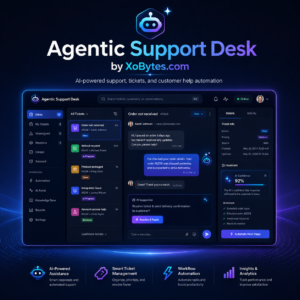
Agentic Support Desk for WordPress by XoBytes.com
$19.99
Agentic Support Desk by Xobytes is an AI-powered WordPress support desk built for software sellers, WooCommerce stores, agencies,…
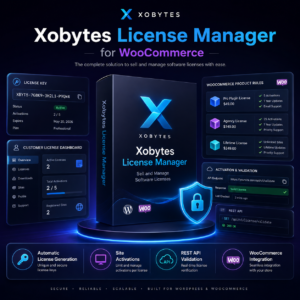
License manager for WooCommerce by XoBytes.com
$25.00
Xobytes License Manager for WooCommerce is a powerful WooCommerce license manager plugin that lets you sell software licenses,…

Agent Shield by XoBytes | Protect against agentic software
$25.00
AgentShield is a WordPress AI Agent Firewall that helps detect, monitor, block, and temporarily ban AI crawlers, AI…
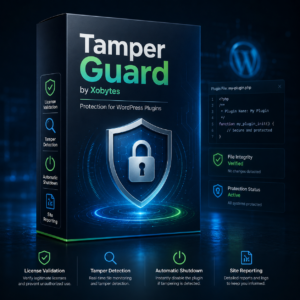
Tamper Guard by XoBytes | WordPress Plugin Tamper Detector
$25.00
Protect your commercial WordPress plugins with license-based tamper detection, file integrity monitoring, automatic shutdown protection, and site reporting.…
Product 1 of 6
Practical Examples of Custom Software Development
To illustrate the impact of custom software development, consider the following examples:
Continue with How Much Does It Cost to Build a Custom Software Development Platform? A Complete Guide for additional XoBytes guidance.
- Healthcare Management System: A hospital may require a custom software solution to manage patient records, appointments, and billing processes. Unlike off-the-shelf systems, a tailored solution can integrate with existing medical devices and comply with health regulations.
- Real Estate CRM: A real estate agency could benefit from a custom Customer Relationship Management (CRM) system that tracks leads, manages properties, and automates communication with clients, enhancing their sales process and customer service.
- E-commerce Platform: A niche e-commerce business might need a specialized platform that offers unique product configurations and payment options, which generic platforms cannot provide.
Comparing Custom Software Development to Off-the-Shelf Solutions
When considering software solutions, businesses often face the dilemma of choosing between custom development and off-the-shelf products. Here’s a comparison to help guide your decision:
Customization
- Custom Software: Fully customizable to meet specific business needs and workflows.
- Off-the-Shelf Software: Limited customization options, often requiring businesses to adapt their processes to fit the software.
Cost
- Custom Software: Higher initial investment, but potential for long-term savings through improved efficiency and reduced operational costs.
- Off-the-Shelf Software: Lower upfront costs, but ongoing licensing fees and potential costs for additional features or integrations.
Scalability
- Custom Software: Designed to grow with your business, allowing for new features and integrations as needed.
- Off-the-Shelf Software: May not scale effectively, leading to limitations as your business expands.
Implementation Steps for Custom Software Development
Successfully implementing custom software requires a structured approach. Here are the key steps to follow:
- Requirement Gathering: Collaborate with stakeholders to gather detailed requirements and expectations.
- Prototyping: Develop a prototype to visualize the software’s functionality and gather feedback early in the process.
- Development: Begin the actual coding and development phase, adhering to the defined requirements and timelines.
- Testing: Conduct thorough testing to identify and resolve any bugs or issues before deployment.
- Deployment: Roll out the software to users, ensuring a smooth transition and providing necessary training.
- Post-Launch Support: Offer ongoing support and maintenance to address any issues and implement updates as needed.
Decision Criteria for Selecting a Development Partner
Choosing the right development partner is crucial for the success of your custom software project. Consider the following criteria:
- Experience: Look for a partner with a proven track record in developing similar software solutions.
- Technical Expertise: Ensure they have the necessary technical skills and knowledge of the latest technologies relevant to your project.
- Communication: Effective communication is vital for collaboration and addressing issues promptly.
- Portfolio: Review their portfolio to assess the quality of their previous work and client satisfaction.
- Support Services: Inquire about their post-launch support and maintenance offerings to ensure long-term success.
Frequently Asked Questions
Here are some common questions related to custom software development costs:
What are the main factors that affect the cost of custom software development?
Key factors include project complexity, features required, development time, technology stack, team expertise, and ongoing maintenance costs.
How can I accurately estimate the budget for my custom software project?
Start by defining clear requirements, consult with experienced developers, use cost estimation frameworks, and include contingency funds for unforeseen issues.
When is custom software development a better choice than off-the-shelf solutions?
Custom development is ideal when your business has unique needs that cannot be met by generic tools, or when scalability and integration are critical.
What are some best practices for managing the costs of custom software projects?
Prioritize features, adopt Agile development, continuously monitor progress, and leverage automation tools to reduce time and expenses.