
In today’s rapidly evolving digital landscape, understanding AI credit estimation and cost planning is essential for businesses and developers alike. As organizations increasingly adopt AI technologies, accurately estimating AI credit costs is crucial for effective budgeting. This comprehensive guide will walk you through the fundamentals of AI credit estimation, the tools available, and strategies for planning your AI-related expenses.
Moreover, implementing the right tools can significantly enhance your budgeting process. One such tool is the Agentic Construction Theme, designed specifically for contractors and construction businesses. This theme not only streamlines project management but also optimizes your costs, making it a valuable asset for any business looking to leverage AI effectively.
Understanding AI Credit Estimation
AI credit estimation involves calculating the expected costs associated with using AI services, particularly API calls. These costs can vary significantly based on several factors, including the complexity of the tasks being automated and the frequency of API usage. Therefore, having a reliable estimation process is vital for managing your budget effectively.
Key Components of AI Credit Estimation
- API Usage: Understanding how often you will call the API is crucial. Frequent calls can lead to higher costs.
- Pricing Models: Different AI providers have varying pricing structures, such as pay-per-use or subscription models. Familiarity with these can help you choose the best option for your needs.
- Project Scope: Clearly defining the scope of your AI project will help in estimating costs more accurately.
Tools for AI Credit Estimation
There are several tools available that can assist in AI credit estimation. These tools often provide features that help you analyze usage patterns and forecast costs based on historical data. Here are some popular options:
- AI Cost Calculator: This tool allows you to input various parameters related to your project and provides a detailed cost analysis.
- Budgeting Software: Integrating budgeting software with your AI tools can streamline the estimation process and provide real-time insights.
- Custom Estimation Tools: Some organizations develop their own estimation tools tailored to their specific needs, which can be beneficial for complex projects.
Best Practices for AI Cost Planning
To ensure effective cost planning for your AI projects, consider the following best practices:
- Analyze Past Data: Reviewing historical data can provide insights into usage patterns and help refine your estimates.
- Set Clear Goals: Define what you aim to achieve with your AI projects. This clarity will guide your budgeting process.
- Utilize Multiple Tools: Don’t rely on a single tool. Using a combination of estimation tools can provide a more comprehensive view of potential costs.
By following these best practices, you can enhance the accuracy of your AI credit estimates and ultimately improve your project management.
Why Choose the Agentic Construction Theme?
The Agentic Construction Theme is not just a theme; it’s a complete solution designed for all trades within the construction industry. This theme addresses several challenges faced by contractors, such as:
- Streamlined Project Management: Easily manage multiple projects and tasks.
- Cost Tracking: Keep track of expenses and budgets in real-time.
- Customizable Features: Tailor the theme to meet your specific business needs.
For businesses looking to enhance their operational efficiency while managing AI costs, the Agentic Construction Theme is a valuable investment. By integrating this theme into your workflow, you can facilitate better project management and cost estimation.
Understanding the Importance of Accurate AI Cost Estimation
Accurate AI cost estimation is not just a matter of keeping expenses in check; it plays a vital role in the overall success of AI projects. Here are some reasons why precision in cost estimation matters:
- Resource Allocation: Knowing the expected costs allows organizations to allocate resources more effectively, ensuring that funds are available for critical components of the project.
- Risk Management: By understanding potential costs, businesses can identify financial risks early on and develop strategies to mitigate them.
- Stakeholder Confidence: Accurate estimates can enhance confidence among stakeholders and investors, showcasing a well-thought-out approach to project budgeting.
Related XoBytes Products

Agentic Construction Theme | More than just a theme | Built for all trades
$49.99
Why You Need This Theme And Plugin! Click here for the Demo Agentic Construction Theme by XoBytes is…
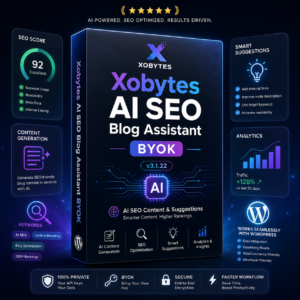
AI SEO Data & Automatic Blog Writer for WordPress by XoBytes
$19.99
Turn your WordPress site, Google Search Console data, and SEO opportunities into smarter blog posts, pages, titles, meta…

Social Media Autopilot With AI by XoBytes.com
$19.99
Xobytes Social Autopilot is a WordPress social media autoposter that helps schedule and promote posts, pages, WooCommerce products,…
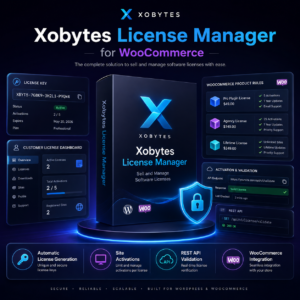
License manager for WooCommerce by XoBytes.com
$25.00
Xobytes License Manager for WooCommerce is a powerful WooCommerce license manager plugin that lets you sell software licenses,…

Plugin Update Server for WordPress by XoBytes.com
$25.00
Plugin Update Server by XoBytes lets WordPress plugin sellers deliver private plugin updates directly to customer dashboards. Upload…
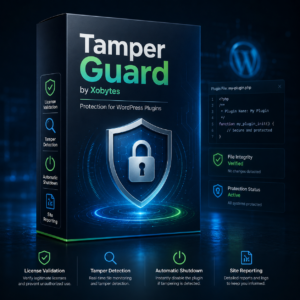
Tamper Guard by XoBytes | WordPress Plugin Tamper Detector
$25.00
Protect your commercial WordPress plugins with license-based tamper detection, file integrity monitoring, automatic shutdown protection, and site reporting.…
Product 1 of 6
Practical Examples of AI Cost Estimation
To illustrate the application of AI credit estimation, consider the following scenarios:
For additional authoritative context, review Facebook.
- Chatbot Implementation: A company plans to implement a customer service chatbot using an AI API. By analyzing the expected API calls based on customer interactions, they estimate a monthly cost of $500. They factor in peak usage times to ensure their budget accommodates fluctuations.
- Image Recognition System: A retail business wants to use AI for image recognition to manage inventory. They project needing 10,000 API calls monthly, leading to an estimated cost of $1,200. They utilize historical sales data to refine their estimates further.
Key Factors Influencing AI Credit Costs
Several factors can significantly influence the costs associated with AI credit estimation:
Continue with How to Accurately Estimate AI Credit Costs for Your Projects for additional XoBytes guidance.
- Complexity of Tasks: More complex tasks often require more processing power and, consequently, higher costs.
- Frequency of Usage: The more frequently an API is called, the higher the costs will be. Understanding usage patterns can help in budgeting.
- Provider Pricing Models: Different providers may have unique pricing strategies, such as tiered pricing based on usage or flat-rate fees for certain services.
Steps to Implement Effective AI Cost Planning
Implementing a robust AI cost planning strategy involves several critical steps:
- Define Project Scope: Clearly outline the objectives and requirements of your AI project to create a solid foundation for cost estimation.
- Gather Historical Data: Analyze past projects to understand usage patterns and costs, which can inform future estimates.
- Select Appropriate Tools: Choose a combination of estimation tools that cater to your specific needs and project complexity.
- Monitor and Adjust: Continuously monitor actual costs against estimates and adjust your budgeting strategies as necessary.
Comparing AI Cost Estimation Tools
When selecting tools for AI credit estimation, consider the following criteria:
- User-Friendliness: The tool should have an intuitive interface that makes it easy to input data and interpret results.
- Integration Capabilities: Look for tools that can easily integrate with existing budgeting software and AI platforms.
- Customization Options: The ability to tailor the tool to specific project needs can enhance its effectiveness.
- Support and Resources: Ensure that the tool offers adequate support and resources, such as tutorials and customer service, to assist users in maximizing its potential.
Future Trends in AI Cost Estimation
As AI technology continues to evolve, several trends are emerging in the realm of cost estimation:
- Increased Automation: More tools are incorporating AI to automate the estimation process, making it faster and more accurate.
- Predictive Analytics: Leveraging machine learning to predict future costs based on historical data will become more prevalent, allowing for better financial forecasting.
- Real-Time Cost Monitoring: New technologies enable real-time tracking of AI usage and costs, providing businesses with immediate insights into their budgeting.
Frequently Asked Questions
Here are some common questions related to AI credit estimation:
What is an AI credit estimator and how does it work?
An AI credit estimator is a tool that calculates the expected costs for AI API usage based on your project requirements, helping you plan your budget accurately.
Why is accurate AI credit estimation important for project planning?
It helps prevent budget overruns, ensures resource allocation efficiency, and allows for better financial forecasting in AI-driven projects.
How can I improve the accuracy of my AI credit estimates?
Use detailed project scope data, analyze past usage patterns, and leverage reliable estimation tools that consider API pricing models.
In conclusion, effective AI credit estimation and cost planning are critical for the success of your projects. By utilizing the right tools and following best practices, you can ensure that your budgeting process is both accurate and efficient. Start optimizing your AI costs today!