
In today’s digital landscape, managing budgets for AI projects effectively is crucial for success. As businesses increasingly adopt artificial intelligence (AI), understanding the costs associated with AI initiatives becomes essential. Fortunately, tools like the AI SEO Data & Automatic Blog Writer for WordPress by XoBytes can help optimize your budget planning. Priced at just $19.99, this tool turns your WordPress site and Google Search Console data into smarter blog posts and SEO opportunities.
Moreover, utilizing AI credit estimation tools can greatly enhance your budgeting process. These tools provide accurate estimates of the costs associated with AI API usage, allowing for better financial planning and resource allocation. In this article, we will explore how to maximize budget efficiency with AI credit estimation tools, ensuring your projects stay within budget and meet their objectives.
Understanding AI Credit Estimation Tools
AI credit estimation tools are designed to help businesses and developers predict the costs associated with using AI technologies. These tools analyze various factors, including API pricing models and project requirements, to provide accurate cost estimates. Therefore, integrating these tools into your budget planning process can significantly improve your financial forecasting.
How AI Credit Estimation Tools Work
- Data Input: Users input project specifications, including the scope of work and expected API usage.
- Cost Analysis: The tool analyzes historical data and current pricing models to calculate potential costs.
- Reporting: Users receive detailed reports outlining expected expenses, helping them make informed decisions.
Benefits of Using AI Credit Estimation Tools
Using AI credit estimation tools offers several benefits:
- Enhanced Accuracy: These tools provide precise estimates, reducing the likelihood of budget overruns.
- Time Savings: Automated calculations save time compared to manual budgeting processes.
- Improved Decision-Making: Accurate forecasts enable better resource allocation and project planning.
Maximizing Budget Efficiency
To maximize budget efficiency, consider the following strategies:
- Utilize Comprehensive Tools: Leverage tools like the AI SEO Data & Automatic Blog Writer to streamline content creation and optimize SEO efforts.
- Analyze Historical Data: Review past projects to identify patterns in API usage and costs.
- Set Clear Objectives: Define project goals and budget constraints clearly to guide your planning process.
- Regularly Review Estimates: Continuously monitor and adjust your estimates based on changing project conditions.
Common Mistakes to Avoid
When estimating AI project costs, avoid these pitfalls:
- Ignoring Scope Changes: Failing to account for changes in project scope can lead to budget overruns.
- Overlooking API Pricing Updates: Regularly check for updates in API pricing that may affect your estimates.
- Neglecting Detailed Reporting: Ensure that your reports provide enough detail to inform decision-making effectively.
Conclusion
Maximizing budget efficiency with AI credit estimation tools is essential for the success of AI-driven projects. By leveraging these tools and implementing effective budgeting strategies, businesses can ensure that their projects remain on track and within budget. For those looking to enhance their content marketing efforts, consider using the AI SEO Data & Automatic Blog Writer for WordPress to streamline your content creation process.
Practical Examples of AI Credit Estimation Tools in Action
To illustrate the effectiveness of AI credit estimation tools, let’s explore a few practical examples where these tools have been successfully utilized:
Example 1: E-commerce Platform
An e-commerce company planning to implement an AI-driven recommendation system utilized an AI credit estimation tool to forecast costs. By inputting their expected API usage based on projected user traffic and product catalog size, they received a detailed report that helped them allocate resources more effectively. As a result, they were able to adjust their marketing budget to ensure they had enough funds for both API usage and promotional efforts.
Example 2: Healthcare Application
A healthcare startup aimed to develop a predictive analytics tool for patient management. They employed an AI credit estimation tool to assess costs associated with various AI models. The tool provided them with a breakdown of costs for different scenarios, allowing them to choose a model that fit their budget while still meeting their performance expectations. This approach not only saved them money but also helped them avoid potential pitfalls associated with overestimating their budget.
Comparison of Popular AI Credit Estimation Tools
When selecting an AI credit estimation tool, it’s essential to compare features and pricing. Below is a comparison of some popular tools available:
| Tool Name | Key Features | Pricing |
|---|---|---|
| Tool A | Real-time cost analysis, project tracking | $29.99/month |
| Tool B | API usage forecasting, historical data analysis | $19.99/month |
| Tool C | Custom reporting, team collaboration features | $39.99/month |
Implementation Steps for AI Credit Estimation Tools
Implementing an AI credit estimation tool can streamline your budgeting process. Follow these steps to get started:
- Identify Your Needs: Determine the specific requirements of your project, including the APIs you plan to use and the expected scale of operations.
- Choose the Right Tool: Based on your needs and budget, select an AI credit estimation tool that offers the features most relevant to your project.
- Input Project Specifications: Enter detailed project information into the tool, including scope, expected API calls, and any unique requirements.
- Analyze Estimates: Review the cost estimates generated by the tool, and adjust your project plans accordingly to align with your budget.
- Monitor and Adjust: As your project progresses, regularly revisit and update your estimates to reflect any changes in scope or API pricing.
Related XoBytes Products
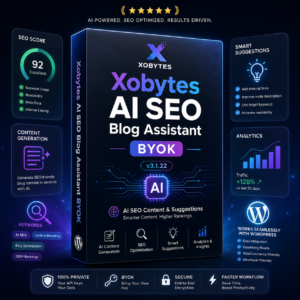
AI SEO Data & Automatic Blog Writer for WordPress by XoBytes
$19.99
Turn your WordPress site, Google Search Console data, and SEO opportunities into smarter blog posts, pages, titles, meta…

Agentic Construction Theme | More than just a theme | Built for all trades
$49.99
Why You Need This Theme And Plugin! Click here for the Demo Agentic Construction Theme by XoBytes is…

Social Media Autopilot With AI by XoBytes.com
$19.99
Xobytes Social Autopilot is a WordPress social media autoposter that helps schedule and promote posts, pages, WooCommerce products,…
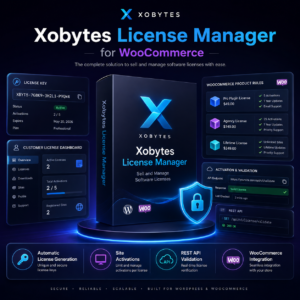
License manager for WooCommerce by XoBytes.com
$25.00
Xobytes License Manager for WooCommerce is a powerful WooCommerce license manager plugin that lets you sell software licenses,…

Plugin Update Server for WordPress by XoBytes.com
$25.00
Plugin Update Server by XoBytes lets WordPress plugin sellers deliver private plugin updates directly to customer dashboards. Upload…
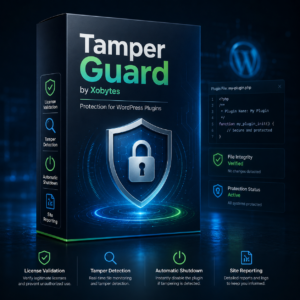
Tamper Guard by XoBytes | WordPress Plugin Tamper Detector
$25.00
Protect your commercial WordPress plugins with license-based tamper detection, file integrity monitoring, automatic shutdown protection, and site reporting.…
Product 1 of 6
Decision Criteria for Selecting AI Credit Estimation Tools
When choosing an AI credit estimation tool, consider the following criteria:
For additional authoritative context, review Facebook.
- Accuracy: Look for tools that provide precise estimates based on historical data and current pricing models.
- Ease of Use: The tool should have an intuitive interface that allows for straightforward data input and report generation.
- Integration Capabilities: Ensure the tool can integrate seamlessly with your existing project management and budgeting software.
- Support and Resources: Consider the availability of customer support and educational resources to help you maximize the tool’s potential.
Practical Tips for Using AI Credit Estimation Tools
To fully leverage AI credit estimation tools, consider the following practical tips:
- Regular Training: Stay updated with the latest features and updates of your chosen tool. Many providers offer webinars or tutorials that can enhance your understanding and usage.
- Collaborate with Your Team: Involve your team in the estimation process. Different perspectives can help refine project specifications and improve accuracy.
- Benchmarking: Use industry benchmarks to compare your estimates. This can provide context and help validate your projections.
- Scenario Planning: Create multiple scenarios (best-case, worst-case, and most likely) to understand the range of possible costs and prepare for uncertainties.
Case Studies of Successful Budget Management Using AI Credit Estimation Tools
Examining real-world applications can provide valuable insights into the effectiveness of AI credit estimation tools:
Continue with Understanding AI Cost Estimation: Tools and Tips for Budgeting AI Projects for additional XoBytes guidance.
Case Study 1: Retail Analytics
A retail chain implemented an AI credit estimation tool to manage costs related to customer behavior analysis. By inputting data from previous campaigns, they were able to estimate the cost of various AI models accurately. This foresight allowed them to allocate funds efficiently, resulting in a 15% reduction in overall project costs while improving customer engagement metrics.
Case Study 2: Financial Services
A financial services firm utilized an AI credit estimation tool to project costs for a new fraud detection system. The tool enabled them to analyze different AI algorithms’ costs and benefits, leading to an informed decision that saved them over $50,000 in unnecessary expenditures by selecting the most cost-effective model.
Integration of AI Credit Estimation Tools with Other Financial Software
Integrating AI credit estimation tools with existing financial software can enhance budgeting efficiency:
- Streamlined Data Flow: Ensure that your estimation tool can pull data from accounting software, reducing manual entry and errors.
- Real-Time Updates: Look for tools that offer real-time updates on API pricing changes, ensuring your budget reflects the most current information.
- Custom Dashboards: Use dashboards to visualize your budget estimates alongside actual spending, helping you make informed adjustments.
Future Trends in AI Credit Estimation Tools
The landscape of AI credit estimation tools is continually evolving. Here are some trends to watch:
- Increased Automation: Expect more tools to integrate machine learning algorithms that can automatically adjust estimates based on usage patterns.
- Enhanced Predictive Analytics: Future tools may offer advanced predictive analytics capabilities, allowing businesses to forecast not just costs but also potential ROI.
- Greater Customization: As businesses have unique needs, tools that offer customizable features will become more prevalent, allowing users to tailor the tool to their specific project requirements.
Frequently Asked Questions
Here are some common questions regarding AI credit estimation tools:
- What is an AI credit estimator and how does it work? An AI credit estimator is a tool that calculates the expected costs for AI API usage based on your project requirements, helping you plan your budget accurately.
- Why is accurate AI credit estimation important for project planning? It helps prevent budget overruns, ensures resource allocation efficiency, and allows for better financial forecasting in AI-driven projects.
- How can I improve the accuracy of my AI credit estimates? Use detailed project scope data, analyze past usage patterns, and leverage reliable estimation tools that consider API pricing models.