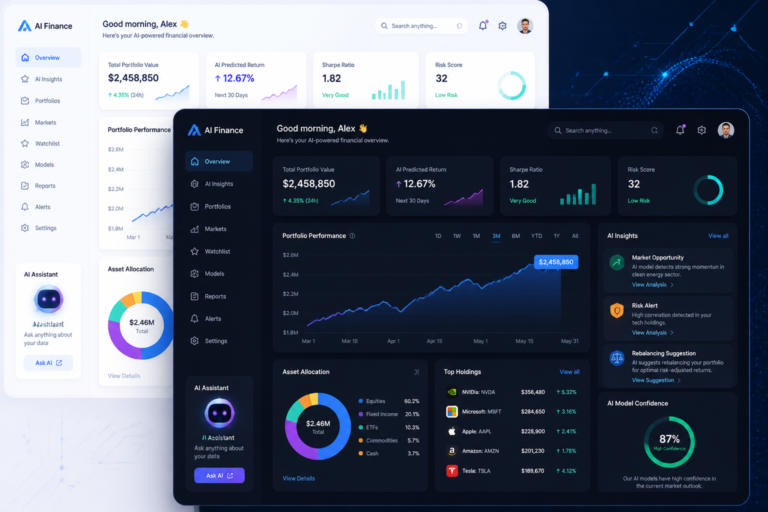
In today’s rapidly evolving digital landscape, understanding AI credit estimators is crucial for effective project budgeting. These tools help businesses estimate the costs associated with using AI technologies, ensuring that financial planning aligns with project goals. For anyone looking to enhance their AI project management, leveraging AI credit estimators can lead to significant savings and more accurate forecasts.
Moreover, if you’re serious about optimizing your AI projects, consider using the AI SEO Data & Automatic Blog Writer for WordPress by XoBytes. This tool transforms your WordPress site and Google Search Console data into intelligent blog posts, helping you capture your audience’s attention while also managing your content effectively.
What Are AI Credit Estimators?
AI credit estimators are specialized tools designed to calculate the costs associated with using AI services and APIs. These estimators take into account various factors such as usage patterns, API pricing models, and project requirements. By accurately estimating these costs, businesses can make informed decisions and avoid unexpected budget overruns.
How Do AI Credit Estimators Work?
Typically, AI credit estimators work by analyzing specific project parameters, such as:
- Expected API calls
- Data processing needs
- Duration of project execution
- Pricing tiers of the AI service provider
In addition, these tools often provide insights based on historical data, allowing businesses to refine their estimations continuously.
Benefits of Using AI Credit Estimators
Using AI credit estimators offers several advantages:
- Improved Budget Planning: By understanding the potential costs upfront, businesses can allocate resources more effectively.
- Enhanced Financial Forecasting: Accurate estimations allow for better financial planning and investment strategies.
- Risk Mitigation: Identifying potential cost overruns early can help mitigate financial risks.
Best Practices for Estimating AI Costs
To maximize the effectiveness of AI credit estimators, consider implementing the following best practices:
- Use Detailed Project Scopes: Clearly define project requirements to ensure accurate estimations.
- Analyze Historical Data: Review past projects to identify patterns and trends in AI usage.
- Leverage Multiple Tools: Utilize various estimation tools to cross-check and validate your estimates.
- Stay Updated: Keep abreast of changes in API pricing models and service offerings.
Integrating AI Credit Estimators with Your Workflow
Integrating AI credit estimators into your project management workflow can streamline budgeting processes. Here are some steps to consider:
- Identify key projects that will require AI resources.
- Choose an appropriate AI credit estimator tool based on your needs.
- Train your team on how to use the estimator effectively.
- Regularly review and update your estimates as project parameters change.
Conclusion
In conclusion, understanding AI credit estimators is essential for any organization looking to leverage AI technologies effectively. By adopting best practices and utilizing the right tools, businesses can enhance their budgeting processes and ensure successful project outcomes.
For those looking to improve their content creation process, don’t forget to check out the AI SEO Data & Automatic Blog Writer for WordPress by XoBytes. This tool not only helps you write smarter content but also aligns your projects with SEO opportunities, making it a valuable asset for your team.
Practical Examples of AI Credit Estimators in Action
To better understand how AI credit estimators function, let’s explore a couple of practical examples across different industries:
Example 1: E-commerce Platform
An e-commerce company planning to implement a recommendation engine might use an AI credit estimator to assess the costs associated with API calls for product recommendations. By inputting factors such as:
- Expected daily user traffic
- Average number of recommendations per user
- API pricing structure (e.g., pay-per-call or subscription)
The estimator can provide a monthly cost projection, allowing the company to budget accordingly and adjust its marketing strategies based on the estimated return on investment.
Example 2: Healthcare Analytics
A healthcare provider looking to implement AI-driven patient analytics may utilize an AI credit estimator to forecast costs based on:
For a practical companion to this section, explore How to Accurately Estimate AI Credit Costs for Your Projects.
- Number of patient records processed
- Frequency of data updates
- Complexity of analytics required
By accurately estimating these costs, the provider can ensure that they allocate sufficient resources for the implementation while also evaluating the potential benefits of improved patient outcomes.
Comparing Different AI Credit Estimators
When selecting an AI credit estimator, it’s essential to compare various tools based on specific criteria:
Key Comparison Criteria
- Ease of Use: Look for tools with intuitive interfaces that require minimal training.
- Customization Options: Choose estimators that allow you to input unique project parameters for more accurate results.
- Integration Capabilities: Ensure the tool can seamlessly integrate with your existing project management software.
- Support and Documentation: Opt for tools that provide comprehensive support and resources for troubleshooting.
Related XoBytes Products
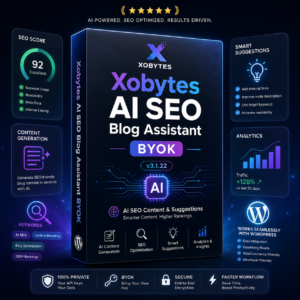
AI SEO Data & Automatic Blog Writer for WordPress by XoBytes
$19.99
Turn your WordPress site, Google Search Console data, and SEO opportunities into smarter blog posts, pages, titles, meta…

Agentic Construction Theme | More than just a theme | Built for all trades
$49.99
Why You Need This Theme And Plugin! Click here for the Demo Agentic Construction Theme by XoBytes is…

Social Media Autopilot With AI by XoBytes.com
$19.99
Xobytes Social Autopilot is a WordPress social media autoposter that helps schedule and promote posts, pages, WooCommerce products,…
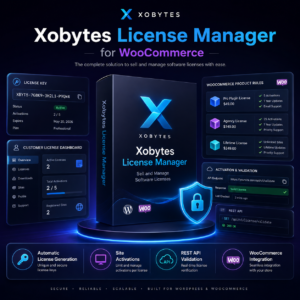
License manager for WooCommerce by XoBytes.com
$25.00
Xobytes License Manager for WooCommerce is a powerful WooCommerce license manager plugin that lets you sell software licenses,…

Plugin Update Server for WordPress by XoBytes.com
$25.00
Plugin Update Server by XoBytes lets WordPress plugin sellers deliver private plugin updates directly to customer dashboards. Upload…
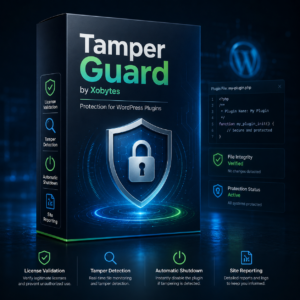
Tamper Guard by XoBytes | WordPress Plugin Tamper Detector
$25.00
Protect your commercial WordPress plugins with license-based tamper detection, file integrity monitoring, automatic shutdown protection, and site reporting.…
Product 1 of 6
Popular AI Credit Estimators
Here are a few popular AI credit estimators that businesses often consider:
- Google Cloud Pricing Calculator: A robust tool for estimating costs across various Google AI services.
- AWS Pricing Calculator: Ideal for businesses leveraging Amazon Web Services for their AI projects.
- Azure Pricing Calculator: Useful for organizations utilizing Microsoft Azure AI services.
Implementation Steps for AI Credit Estimators
To effectively implement AI credit estimators in your workflow, follow these structured steps:
Step 1: Define Project Parameters
Gather all necessary information regarding your project, including:
- Project goals
- Expected usage patterns
- Specific AI services required
Step 2: Select an Estimator Tool
Choose an estimator that aligns with your project needs and budget. Consider the comparison criteria mentioned earlier.
For additional authoritative context, review Facebook.
Step 3: Input Data
Enter the defined project parameters into the estimator tool. Ensure that all data is accurate to get reliable estimates.
Step 4: Analyze Results
Review the output provided by the estimator. Look for insights that can help refine your budgeting process.
Continue with Understanding AI Cost Estimation: Tools and Tips for Budgeting AI Projects for additional XoBytes guidance.
Step 5: Adjust and Optimize
As your project progresses, continually revisit and adjust your estimates based on actual usage and changing project dynamics.
Decision Criteria for Choosing AI Credit Estimators
When deciding which AI credit estimator to use, consider the following factors:
- Cost-Effectiveness: Evaluate whether the potential savings from accurate estimations justify the cost of using the tool.
- Scalability: Ensure the tool can handle your project’s growth and increased complexity over time.
- User Feedback: Research reviews and testimonials from other users to gauge effectiveness and reliability.
Common Challenges in AI Credit Estimation
While AI credit estimators are valuable tools, they come with their own set of challenges. Understanding these challenges can help businesses navigate potential pitfalls:
- Dynamic Pricing Models: Many AI service providers frequently update their pricing structures, making it difficult to maintain accurate estimates.
- Complex Usage Patterns: Projects may have unpredictable usage patterns, which can lead to significant variances in estimated versus actual costs.
- Integration Issues: Some organizations may face difficulties integrating estimators into their existing workflows, which can hinder their effectiveness.
Advanced Features to Look For
When evaluating AI credit estimators, consider looking for advanced features that can enhance your estimation process:
- Scenario Analysis: Some tools offer the ability to create different scenarios based on varying usage patterns, allowing for a more comprehensive understanding of potential costs.
- Real-Time Updates: Estimators that provide real-time data on pricing changes can help you stay informed and adjust your budgets accordingly.
- Collaboration Tools: Features that facilitate team collaboration can improve communication and ensure that all stakeholders are aligned on budget estimates.
Case Study: Implementing AI Credit Estimators in a Startup
To illustrate the practical application of AI credit estimators, consider the case of a tech startup developing an AI-driven chatbot:
- Project Definition: The startup defined its project parameters, including the expected number of users and the frequency of interactions.
- Estimator Selection: They chose an AI credit estimator that integrated with their project management software.
- Data Input: The team inputted their project parameters, including user traffic and expected API calls, into the estimator.
- Cost Analysis: After analyzing the results, they discovered that their initial budget was insufficient for the expected API usage, prompting them to adjust their financial plan.
- Ongoing Adjustments: As the project progressed, they used the estimator to continuously refine their budget based on actual usage data.
Future Trends in AI Credit Estimation
As AI technologies evolve, so too will the tools designed to estimate their costs. Here are some trends to watch for:
- Increased Automation: Future estimators may leverage machine learning to automatically adjust estimates based on historical data and usage patterns.
- Enhanced Predictive Analytics: Expect tools that can predict future costs based on current trends, helping businesses plan more effectively.
- Greater Integration with Financial Tools: Seamless integration with financial planning software could provide a holistic view of project costs and financial health.
Frequently Asked Questions
What is an AI credit estimator and how does it work?
An AI credit estimator is a tool that calculates the expected costs for AI API usage based on your project requirements, helping you plan your budget accurately.
Why is accurate AI credit estimation important for project planning?
It helps prevent budget overruns, ensures resource allocation efficiency, and allows for better financial forecasting in AI-driven projects.
How can I improve the accuracy of my AI credit estimates?
Use detailed project scope data, analyze past usage patterns, and leverage reliable estimation tools that consider API pricing models.