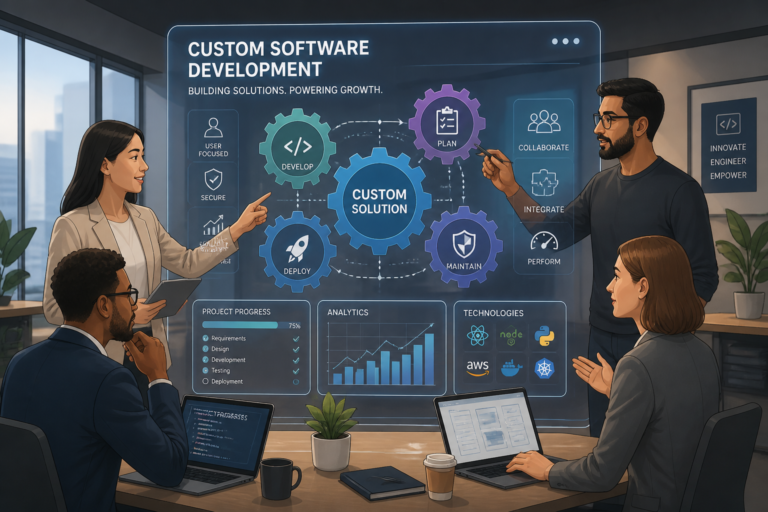
In today’s fast-paced business environment, software solutions must be tailored to meet unique operational needs. This is where custom developed software comes into play. Custom software is designed specifically for a business, addressing its unique requirements and challenges. By opting for a custom solution, companies can streamline processes, enhance efficiency, and gain a competitive edge.
One excellent example of a tool that can complement your custom software is the Agentic Consultant, Product Rep, & Customer Service Agent by XoBytes. This innovative product serves as a smart AI product representative, customer service agent, and hands-free voice assistant. It seamlessly integrates with your existing systems, providing a personalized experience for your customers.
What Is Custom Developed Software?
Custom developed software refers to applications or systems that are specifically designed to meet the needs of a particular organization. Unlike off-the-shelf software, which is built for a broad audience, custom software is tailored to fit the unique processes and requirements of a business. This customization allows companies to enhance their operational efficiency and achieve specific business goals.
Key Benefits of Custom Developed Software
Choosing custom developed software offers several significant advantages:
- Tailored Solutions: Custom software is built with the specific needs of your business in mind, ensuring that it aligns perfectly with your processes.
- Enhanced Efficiency: By automating processes and integrating various functions, custom software can significantly improve operational efficiency.
- Scalability: Custom solutions can grow with your business, allowing for easy adjustments as your needs change.
- Better Integration: Custom software can be designed to integrate seamlessly with existing systems, reducing friction and improving workflow.
- Competitive Advantage: By implementing unique features that your competitors may not have, your business can stand out in the market.
Use Cases for Custom Developed Software
Many businesses across various industries find custom developed software beneficial. Here are some common use cases:
- Healthcare: Custom software can manage patient records, appointments, and billing processes more effectively than generic solutions.
- Finance: Financial institutions often require tailored software to comply with regulations and manage complex transactions.
- Retail: Custom inventory management systems can help retailers track stock levels and optimize supply chains.
- Education: Educational institutions may need custom learning management systems to deliver personalized learning experiences.
When to Consider Custom Software Development
Businesses should consider custom software development when:
- Off-the-shelf solutions do not meet specific operational requirements.
- There is a need for scalability and flexibility in software solutions.
- Existing systems require integration to streamline processes.
- Unique business processes necessitate specialized features that are not available in standard software.
Considerations for Developing Custom Software
Before embarking on a custom software development project, consider the following:
- Budget: Custom software can be more expensive than off-the-shelf solutions. It’s essential to establish a clear budget and understand the costs involved.
- Timeframe: Development timelines can vary based on complexity. Ensure that your timeline aligns with your business goals.
- Vendor Selection: Choose a reputable development partner with experience in your industry to ensure quality and reliability.
Integrating AI Tools with Custom Software
Integrating AI capabilities into your custom software can enhance its functionality. For instance, the Agentic Consultant can be a valuable addition, providing AI-driven customer support and interaction. This integration not only improves user experience but also allows for better data analysis and customer insights.
Conclusion
Custom developed software is a powerful solution for businesses looking to enhance efficiency and address unique operational challenges. By investing in tailored software, companies can achieve greater flexibility, scalability, and a competitive advantage. If you’re considering custom software development, explore how tools like the Agentic Consultant can complement your efforts and drive business success.
Practical Examples of Custom Developed Software
To better understand the impact of custom developed software, let’s explore some real-world examples across different industries:
- Manufacturing: A manufacturing company may develop a custom software solution to automate its supply chain management. This system can track inventory levels in real-time, predict shortages, and manage supplier relationships, ultimately leading to reduced operational costs and improved production timelines.
- Logistics: A logistics firm might create a custom route optimization tool that uses real-time traffic data and delivery schedules to determine the most efficient delivery routes. This not only saves time but also reduces fuel consumption and enhances customer satisfaction.
- Hospitality: A hotel chain could implement a custom property management system (PMS) that integrates booking, billing, and customer relationship management. This allows for personalized guest experiences and streamlined operations across multiple locations.
Comparing Custom Software Development to Off-the-Shelf Solutions
When deciding between custom developed software and off-the-shelf solutions, consider the following comparison:
| Feature | Custom Developed Software | Off-the-Shelf Solutions |
|---|---|---|
| Customization | Highly customizable to meet specific needs | Limited customization options |
| Cost | Higher initial investment | Lower upfront costs |
| Scalability | Easily scalable to grow with the business | May require upgrades or additional purchases |
| Integration | Seamlessly integrates with existing systems | May have compatibility issues |
| Support | Tailored support based on specific software | General support with limited customization |
Implementation Steps for Custom Software Development
Implementing custom software requires a structured approach. Here are the key steps involved in the development process:
- Requirements Gathering: Engage stakeholders to identify specific needs and challenges that the software must address.
- Planning: Develop a project plan outlining timelines, resources, and budget considerations.
- Design: Create wireframes and prototypes to visualize the software’s interface and functionality.
- Development: Begin coding the software based on the approved designs, ensuring adherence to best practices.
- Testing: Conduct thorough testing to identify and resolve any bugs or issues before launch.
- Deployment: Roll out the software to users, providing training and support as needed.
- Maintenance: Establish a plan for ongoing support and updates to ensure the software remains effective and secure.
Related XoBytes Products

Agentic Consultant, Product Rep, & Customer Service Agent By XoBytes.com
$19.99
Agentic Consultant for WordPress gives your website a smart AI product rep, customer service agent, and hands-free voice…
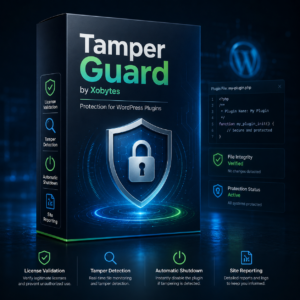
Tamper Guard by XoBytes | WordPress Plugin Tamper Detector
$25.00
Protect your commercial WordPress plugins with license-based tamper detection, file integrity monitoring, automatic shutdown protection, and site reporting.…

Agentic Construction Theme | More than just a theme | Built for all trades
$49.99
Why You Need This Theme And Plugin! Click here for the Demo Agentic Construction Theme by XoBytes is…
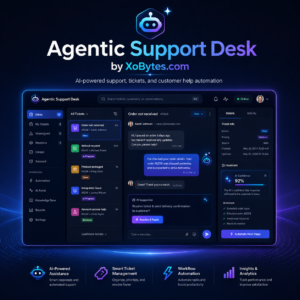
Agentic Support Desk for WordPress by XoBytes.com
$19.99
Agentic Support Desk by Xobytes is an AI-powered WordPress support desk built for software sellers, WooCommerce stores, agencies,…
License manager for WooCommerce by XoBytes.com
$25.00
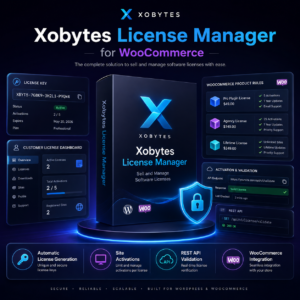
Xobytes License Manager for WooCommerce is a powerful WooCommerce license manager plugin that lets you sell software licenses,…
Product 1 of 6
Decision Criteria for Custom Software Development
When considering custom software development, evaluate the following criteria to determine if it’s the right fit for your organization:
- Business Goals: Does the software align with your strategic objectives and help solve specific problems?
- User Needs: Have you gathered input from end-users to ensure the software will meet their requirements?
- Return on Investment (ROI): Will the benefits gained from the software justify the initial and ongoing costs?
- Long-Term Viability: Is there a clear plan for maintaining and updating the software to adapt to future needs?
Practical Considerations for Custom Software Development
When embarking on a custom software development project, there are several practical considerations that organizations should keep in mind to ensure success:
- Stakeholder Involvement: Involve key stakeholders throughout the development process to gather insights and ensure that the software meets the needs of all users.
- Clear Objectives: Define clear objectives and outcomes for the software project to guide the development team and measure success.
- Agile Methodology: Consider using agile methodologies to allow for flexibility and iterative improvements based on user feedback.
- Documentation: Maintain thorough documentation throughout the development process to facilitate future updates and maintenance.
Real-World Case Studies of Custom Software Success
Examining real-world case studies can provide valuable insights into the effectiveness of custom developed software:
For additional authoritative context, review Facebook.
Case Study 1: E-Commerce Platform
A mid-sized e-commerce company faced challenges with its existing platform, which could not handle its growing customer base. By developing a custom e-commerce solution, the company was able to:
- Implement advanced features like personalized product recommendations.
- Integrate payment gateways that catered to international customers.
- Enhance user experience through a tailored interface.
This led to a 30% increase in sales within the first six months of launch.
Continue with What Is Custom Built Software? Key Benefits and Business Use Cases for additional XoBytes guidance.
Case Study 2: Non-Profit Organization
A non-profit organization needed a custom database to manage donor information and track fundraising campaigns. The custom software allowed them to:
- Automate communication with donors, improving engagement.
- Generate reports to analyze fundraising performance and donor demographics.
- Streamline the donation process through a user-friendly interface.
The result was a 50% increase in donor retention rates, significantly boosting their fundraising efforts.
Evaluating Long-Term Needs for Custom Software
Before committing to custom software development, organizations should evaluate their long-term needs:
- Future Growth: Assess whether the software can accommodate anticipated growth in users, features, or data volume.
- Technological Changes: Consider how emerging technologies, such as AI and machine learning, can be incorporated into the software in the future.
- Support and Maintenance: Plan for ongoing support and updates to ensure the software remains relevant and secure over time.
Best Practices for Collaborating with Development Teams
Successful collaboration with development teams can greatly influence the outcome of a custom software project. Here are some best practices:
- Regular Communication: Schedule regular meetings to discuss progress, challenges, and feedback.
- Define Roles Clearly: Ensure that all team members understand their roles and responsibilities within the project.
- Embrace Feedback: Be open to feedback from developers and users to refine the software continuously.
- Celebrate Milestones: Recognize and celebrate project milestones to maintain team morale and motivation.
Frequently Asked Questions
Here are some common questions regarding custom developed software:
- What is the main difference between custom developed software and off-the-shelf solutions?
Custom developed software is tailored specifically to a business’s unique needs, offering greater flexibility and integration, while off-the-shelf solutions are ready-made products designed for general use. - When should a business consider developing custom software?
Businesses should consider custom software when off-the-shelf options cannot meet their specific requirements, or when they need scalable, integrated, and efficient solutions that provide a competitive advantage. - What are the typical costs associated with custom software development?
Costs vary depending on project complexity, features, and scope, but generally include planning, design, development, testing, and ongoing maintenance. Refer to our related guides for detailed cost insights.