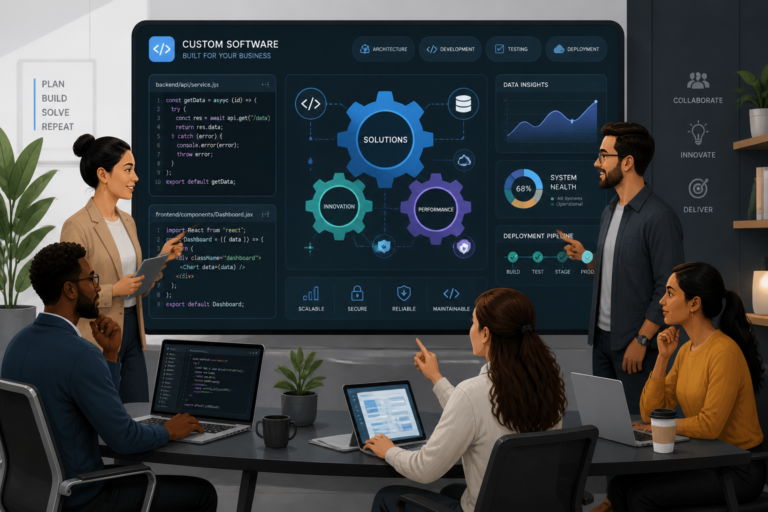
In today’s fast-paced digital landscape, businesses often face unique challenges that off-the-shelf software solutions cannot adequately address. Therefore, many companies turn to custom developed software as a tailored solution. But what exactly is custom developed software? This article will explore its key benefits and use cases, helping you understand when your business needs it.
Moreover, as you evaluate the potential of custom software, consider integrating tools like the Agentic Consultant. This product serves as a smart AI product representative and customer service agent, making it easier to engage with your audience effectively.
What Is Custom Developed Software?
Custom developed software refers to applications specifically designed to meet the unique requirements of a business or organization. Unlike off-the-shelf software, which is built to serve a wide range of users, custom software is tailored to fit the specific workflows, processes, and goals of a particular entity.
As a result, companies can achieve higher efficiency and productivity by utilizing software that aligns perfectly with their operational needs.
Key Features of Custom Developed Software
- Tailored Solutions: Custom software is designed to meet the specific needs of a business, ensuring that it addresses unique challenges effectively.
- Scalability: Custom solutions can grow and evolve alongside your business, adapting to changing requirements and market conditions.
- Integration: Custom software can be integrated with existing systems and processes, creating a seamless workflow.
- Enhanced Security: Custom solutions can be designed with specific security protocols to protect sensitive data.
Key Benefits of Custom Developed Software
Understanding the benefits of custom developed software can help you make informed decisions for your business. Here are some of the primary advantages:
1. Improved Efficiency
Custom software is built to streamline processes and eliminate inefficiencies. By focusing on the specific needs of your business, these solutions can automate tasks and improve overall workflow.
2. Competitive Advantage
Having a tailored solution can give your business a significant edge over competitors who rely on generic software. Custom features can enhance customer experience and improve service delivery.
3. Cost-Effectiveness
Though the initial investment may be higher than off-the-shelf solutions, custom software can save money in the long run by reducing operational costs and increasing productivity.
4. Flexibility
Custom software solutions are adaptable, allowing businesses to modify and update them as needed. This flexibility ensures that the software can evolve alongside the business.
Use Cases for Custom Developed Software
Custom developed software can be utilized across various industries and for numerous applications. Here are some common use cases:
1. Business Automation
Custom software can automate repetitive tasks, reducing the time and effort required for routine operations. This leads to increased productivity and allows employees to focus on more strategic activities.
2. Customer Relationship Management (CRM)
Custom CRM solutions can provide businesses with tailored tools for managing customer interactions, tracking sales, and analyzing customer data. This customization helps improve customer satisfaction and retention.
3. E-commerce Platforms
For businesses selling products online, custom e-commerce solutions can enhance the shopping experience, streamline inventory management, and provide unique features that off-the-shelf platforms may lack.
4. Data Management Systems
Custom software can be designed to manage and analyze large volumes of data, helping businesses make informed decisions based on accurate insights.
Why Choose Custom Software Over Off-the-Shelf Solutions?
When deciding between custom developed software and off-the-shelf solutions, consider the following:
- Specific Needs: If your business has unique requirements that generic software cannot meet, custom software is the better choice.
- Integration: Custom solutions can be integrated with existing systems, ensuring a seamless transition and workflow.
- Long-Term Value: While off-the-shelf solutions may seem more affordable initially, custom software can provide greater long-term value through improved efficiency and effectiveness.
Integrating Custom Software with Your Business
Implementing custom developed software can be a significant step for any organization. Here are some steps to consider when integrating custom software:
1. Identify Your Needs
Before embarking on a custom software project, clearly outline your business needs and goals. This will guide the development process and ensure the final product meets your expectations.
2. Choose the Right Development Partner
Select a reputable software development company with experience in creating custom solutions. This partnership is crucial for the success of your project.
3. Plan for Testing and Feedback
Testing is an essential part of the development process. Ensure there is a robust feedback loop with end-users to identify and address any issues before full deployment.
4. Provide Training
Once the software is developed, provide adequate training for your staff to ensure they can effectively use the new system.
Related XoBytes Products

Agentic Consultant, Product Rep, & Customer Service Agent By XoBytes.com
$19.99
Agentic Consultant for WordPress gives your website a smart AI product rep, customer service agent, and hands-free voice…
Tamper Guard by XoBytes | WordPress Plugin Tamper Detector
$25.00
Protect your commercial WordPress plugins with license-based tamper detection, file integrity monitoring, automatic shutdown protection, and site reporting.…
Agentic Construction Theme | More than just a theme | Built for all trades
$49.99
Why You Need This Theme And Plugin! Click here for the Demo Agentic Construction Theme by XoBytes is…
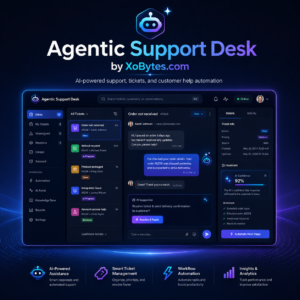
Agentic Support Desk for WordPress by XoBytes.com
$19.99
Agentic Support Desk by Xobytes is an AI-powered WordPress support desk built for software sellers, WooCommerce stores, agencies,…
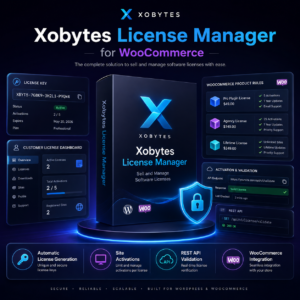
License manager for WooCommerce by XoBytes.com
$25.00
Xobytes License Manager for WooCommerce is a powerful WooCommerce license manager plugin that lets you sell software licenses,…
Product 1 of 6
Product Spotlight: Agentic Consultant
As you consider custom solutions, take a look at the Agentic Consultant. This product serves as a smart AI product representative and customer service agent, making it easier to engage with your audience effectively. For just $19.99, it can help automate customer interactions, streamline your support processes, and enhance user experience on your website.
For additional authoritative context, review Facebook.
In addition, the Agentic Consultant is designed for businesses looking to improve their customer service without the need for extensive human resources. However, it may not be suitable for businesses that require highly personalized service or complex support needs.
To learn more about how the Agentic Consultant can benefit your business, visit the product page today!
Practical Examples of Custom Developed Software
Understanding how custom developed software can be applied in real-world scenarios can provide valuable insights for businesses considering this option. Here are a few practical examples:
Continue with What Is Custom Built Software? Key Benefits and Business Use Cases for additional XoBytes guidance.
1. Healthcare Management Systems
Custom software can be designed for healthcare providers to manage patient records, appointments, and billing efficiently. For instance, a hospital might implement a tailored Electronic Health Record (EHR) system that integrates with existing medical devices and allows for real-time data sharing among healthcare professionals.
2. Inventory Management for Retail
A retail business might develop a custom inventory management system that tracks stock levels, sales trends, and supplier information. This system can be integrated with their e-commerce platform, ensuring that inventory data is synchronized across all sales channels.
3. Educational Platforms
Educational institutions can benefit from custom learning management systems (LMS) that cater to their specific curriculum and teaching methodologies. A university may create a platform that includes features like course management, student assessments, and interactive learning tools tailored to their educational approach.
Comparison: Custom Software vs. Off-the-Shelf Solutions
When weighing the options between custom developed software and off-the-shelf solutions, it’s essential to consider several factors:
- Cost: While off-the-shelf solutions often have a lower initial cost, custom software can lead to significant savings over time due to increased efficiency and reduced licensing fees.
- Functionality: Custom software is built to meet specific business needs, whereas off-the-shelf solutions may offer features that are unnecessary or lack critical functionalities.
- Support and Maintenance: Custom software typically includes dedicated support from the development team, while off-the-shelf solutions may rely on generalized customer service.
Steps for Successful Implementation of Custom Software
Implementing custom developed software requires careful planning and execution. Here are key steps to ensure success:
- Conduct a Thorough Needs Assessment: Engage stakeholders to gather input on requirements and expectations for the software.
- Define Clear Objectives: Set measurable goals that the software should achieve, such as reducing processing time or improving customer satisfaction rates.
- Establish a Development Timeline: Work with your development partner to create a realistic timeline that includes milestones for each phase of the project.
- Plan for Scalability: Ensure that the software architecture allows for future growth and additional features as your business evolves.
- Gather User Feedback: Involve end-users throughout the development process to ensure the software meets their needs and expectations.
Decision Criteria for Choosing Custom Software
When deciding whether to pursue custom developed software, consider the following criteria:
- Business Complexity: If your operations involve complex processes that generic software cannot efficiently handle, custom software may be necessary.
- Budget Constraints: Assess your budget for both initial development and long-term maintenance to determine if custom software is feasible.
- Long-Term Vision: Consider how the software aligns with your business’s strategic goals and whether it can adapt to future needs.
Frequently Asked Questions
Here are some common questions about custom developed software:
What is the main difference between custom developed software and off-the-shelf solutions?
Custom developed software is tailored specifically to a business’s unique needs, offering greater flexibility and integration, while off-the-shelf solutions are ready-made products designed for general use.
When should a business consider developing custom software?
Businesses should consider custom software when off-the-shelf options cannot meet their specific requirements, or when they need scalable, integrated, and efficient solutions that provide a competitive advantage.
What are the typical costs associated with custom software development?
Costs vary depending on project complexity, features, and scope, but generally include planning, design, development, testing, and ongoing maintenance. Refer to our related guides for detailed cost insights.