
In today’s fast-paced business environment, understanding custom software development is crucial for companies aiming to enhance their operations and increase efficiency. Many organizations face unique challenges that off-the-shelf software simply cannot address. Therefore, investing in tailored solutions can provide significant advantages. For instance, the Agentic Consultant is a powerful tool that can help businesses by acting as an AI product representative and customer service agent, allowing for seamless interactions with clients.
Custom software development allows businesses to create solutions that fit their specific needs, rather than adapting to the limitations of existing software. This article will explore the key benefits of custom software, when your business needs tailored solutions, and how it compares to off-the-shelf software.
What is Custom Software Development?
Custom software development refers to the process of designing and creating software specifically for a particular organization or user. Unlike off-the-shelf solutions, which cater to a broad audience, custom software addresses the unique requirements of a business. This can include specialized features, integrations with existing systems, and a user interface tailored to the company’s workflow.
Key Benefits of Custom Software Development
- Tailored Solutions: Custom software is designed to meet the specific needs of your business, ensuring a perfect fit.
- Scalability: As your business grows, custom software can be easily scaled to accommodate increased demand or additional features.
- Integration: Custom software can be integrated with existing systems and processes, enhancing overall efficiency.
- Competitive Advantage: By leveraging unique software solutions, businesses can differentiate themselves in the marketplace.
When Does Your Business Need Custom Software?
There are several scenarios where custom software development makes sense for a business. For example:
- Unique Business Processes: If your business operates in a niche market or has unique workflows that off-the-shelf software cannot support, custom solutions may be necessary.
- Integration Needs: When existing software systems need to work together seamlessly, custom development can ensure that all systems communicate effectively.
- Scalability Requirements: If your business is growing rapidly or has fluctuating demands, custom software can be designed to scale with your needs.
- Competitive Differentiation: When your business needs to stand out from competitors, custom software can provide unique features that set you apart.
Custom Software vs. Off-the-Shelf Solutions
Choosing between custom software and off-the-shelf solutions can be challenging. Here are some factors to consider:
- Cost: While off-the-shelf software may have lower upfront costs, custom software can provide a better return on investment in the long run.
- Flexibility: Custom software is inherently more flexible, allowing for modifications as business needs change.
- Support: With custom software, businesses often receive dedicated support tailored to their specific system, while off-the-shelf solutions may have generic support.
Understanding the Custom Software Development Process
The custom software development process typically involves several key stages:
- Planning: Defining the project scope, requirements, and goals.
- Design: Creating wireframes and prototypes to visualize the software.
- Development: Writing code and building the software based on the design specifications.
- Testing: Conducting thorough testing to identify and resolve any issues.
- Deployment: Launching the software for use within the organization.
- Maintenance: Providing ongoing support and updates as needed.
Cost Factors in Custom Software Development
Understanding the costs associated with custom software development is crucial for budgeting. Key factors include:
- Project Complexity: More complex projects require more time and resources, increasing costs.
- Features and Functionality: The more features you want, the higher the cost will be.
- Development Team: The experience and location of your development team can impact pricing.
To learn more about cost factors, check out our article on Understanding Custom Software Development Costs and Key Factors.
The Role of AI in Custom Software Development
AI technologies can significantly enhance custom software solutions. For example, the Agentic Consultant combines AI with customer service capabilities, providing businesses with an intelligent assistant that can improve customer interactions and streamline operations.
Related XoBytes Products

Agentic Consultant, Product Rep, & Customer Service Agent By XoBytes.com
$19.99
Agentic Consultant for WordPress gives your website a smart AI product rep, customer service agent, and hands-free voice…
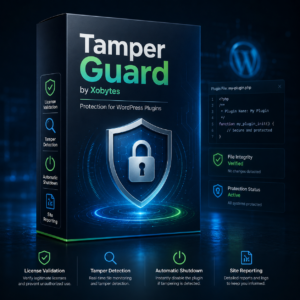
Tamper Guard by XoBytes | WordPress Plugin Tamper Detector
$25.00
Protect your commercial WordPress plugins with license-based tamper detection, file integrity monitoring, automatic shutdown protection, and site reporting.…

Agentic Construction Theme | More than just a theme | Built for all trades
$49.99
Why You Need This Theme And Plugin! Click here for the Demo Agentic Construction Theme by XoBytes is…
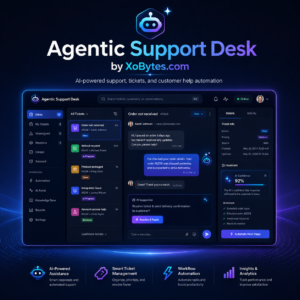
Agentic Support Desk for WordPress by XoBytes.com
$19.99
Agentic Support Desk by Xobytes is an AI-powered WordPress support desk built for software sellers, WooCommerce stores, agencies,…
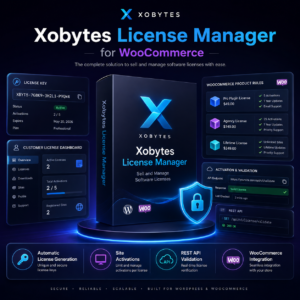
License manager for WooCommerce by XoBytes.com
$25.00
Xobytes License Manager for WooCommerce is a powerful WooCommerce license manager plugin that lets you sell software licenses,…
Product 1 of 6
Conclusion
In conclusion, understanding custom software development is essential for businesses looking to optimize their operations and meet unique needs. By investing in tailored solutions, companies can enhance efficiency, improve customer satisfaction, and gain a competitive edge. If you are considering custom software, the Agentic Consultant is an excellent starting point for integrating AI into your business processes.
For additional authoritative context, review Facebook.
Practical Examples of Custom Software Implementation
To better understand the impact of custom software development, let’s explore some practical examples across various industries:
Continue with Understanding Custom Software Development: What It Is and Why Your Business Needs It for additional XoBytes guidance.
- Healthcare: A hospital might develop a custom patient management system that integrates with existing medical records and scheduling software, allowing for real-time updates and better patient care.
- Retail: A retail chain could create a custom inventory management system that tracks stock levels across multiple locations and integrates with their e-commerce platform, ensuring accurate stock availability online.
- Finance: A financial services firm may need a bespoke risk assessment tool that utilizes unique algorithms and data sources to provide tailored insights for their clients.
Steps to Successfully Implement Custom Software
Implementing custom software can be a complex process. Here are key steps to ensure a successful rollout:
- Define Objectives: Clearly outline what you want to achieve with the custom software. Identify pain points and specific needs that the software should address.
- Engage Stakeholders: Involve all relevant stakeholders from the outset, including end-users, IT staff, and management, to gather comprehensive requirements.
- Choose the Right Development Partner: Select a development team with experience in your industry and a proven track record in custom software projects.
- Iterative Development: Utilize an agile approach to development, allowing for regular feedback and adjustments throughout the process.
- Thorough Testing: Conduct extensive testing to identify bugs and ensure the software meets all requirements before full deployment.
- Training and Support: Provide training for users and ensure ongoing support is available to address any issues that arise post-launch.
Decision Criteria for Choosing Custom Software
When deciding whether to pursue custom software development, consider the following criteria:
- Business Goals: How does the software align with your long-term business objectives?
- User Experience: Will the custom solution enhance user satisfaction and productivity?
- Return on Investment: What is the expected ROI, and how does it compare to off-the-shelf solutions?
- Future Scalability: Can the software be easily adapted or expanded as your business grows?
- Integration Capabilities: How well will the custom software integrate with your existing systems and processes?
Potential Challenges in Custom Software Development
While custom software offers numerous advantages, it also comes with potential challenges. Being aware of these can help you mitigate risks:
- Higher Initial Costs: Custom development can be more expensive upfront compared to off-the-shelf solutions.
- Longer Development Time: Creating a tailored solution often takes longer than implementing a ready-made product.
- Change Management: Employees may resist transitioning to new systems, so effective change management strategies are crucial.
Frequently Asked Questions
Below are some common inquiries regarding custom software development:
What is the main difference between custom developed software and off-the-shelf solutions?
Custom developed software is tailored specifically to a business’s unique needs, offering greater flexibility and integration, while off-the-shelf solutions are ready-made products designed for general use.
When should a business consider developing custom software?
Businesses should consider custom software when off-the-shelf options cannot meet their specific requirements, or when they need scalable, integrated, and efficient solutions that provide a competitive advantage.
What are the typical costs associated with custom software development?
Costs vary depending on project complexity, features, and scope, but generally include planning, design, development, testing, and ongoing maintenance. Refer to our related guides for detailed cost insights.