
In today’s fast-paced digital landscape, businesses increasingly seek tailored solutions to meet their unique needs. Understanding custom software development is crucial for companies aiming to enhance efficiency and drive growth. This article explores the benefits, costs, and key factors involved in custom software development.
What is Custom Software Development?
Custom software development refers to the process of designing and building software specifically tailored to meet the unique requirements of a business or organization. Unlike off-the-shelf software, which is designed for a broad audience, custom solutions are crafted to address specific operational challenges. This ensures that the software aligns perfectly with the company’s goals and workflows.
Benefits of Custom Software Development
There are numerous advantages to opting for custom software development. Below are some of the most significant benefits:
- Tailored Solutions: Custom software is designed to meet the exact needs of a business, ensuring that all features and functionalities are relevant.
- Scalability: As businesses grow, their software needs may change. Custom solutions can be easily scaled to accommodate growth.
- Integration: Custom software can be designed to seamlessly integrate with existing systems, enhancing overall operational efficiency.
- Competitive Advantage: By using software that is tailored to their unique processes, businesses can gain a competitive edge over those using generic solutions.
- Cost-Effectiveness: While the initial investment may be higher than off-the-shelf software, custom solutions can save money in the long run by reducing the need for multiple software licenses and minimizing inefficiencies.
Costs of Custom Software Development
Understanding the costs associated with custom software development is essential for effective budgeting. Several factors influence the overall cost:
- Project Complexity: More complex projects require more time and resources, which increases costs.
- Features Required: The number and type of features requested will directly impact the development time and cost.
- Development Time: The longer the development process, the higher the costs involved.
- Team Expertise: Hiring a skilled development team may come at a premium, but their expertise can lead to a better final product.
- Platform Choice: The choice of technology stack (e.g., programming languages, frameworks) can also influence costs.
To better understand the costs of custom software development, you can refer to our article on Factors That Determine the Cost of Custom Software Development.
Key Factors Influencing Custom Software Development
Several key factors can influence the success and efficiency of custom software development:
- Clear Requirements: Having a well-defined set of requirements is crucial for the development process. This helps in avoiding scope creep and ensures that the final product meets expectations.
- Agile Methodology: Utilizing agile development practices can enhance flexibility and allow for adjustments based on feedback during the development process.
- Strong Communication: Maintaining open lines of communication between stakeholders and the development team is essential for a successful project.
- Testing and Quality Assurance: Incorporating thorough testing and quality assurance processes can help identify and resolve issues early, leading to a more reliable final product.
How to Plan for Custom Software Development
Effective planning is key to the success of any custom software development project. Here are some steps to consider:
- Define Objectives: Clearly outline what you aim to achieve with the software.
- Identify Stakeholders: Determine who will be involved in the project and their respective roles.
- Budgeting: Establish a budget that accounts for all potential costs, including development, testing, and deployment.
- Choose the Right Team: Select a development team with the necessary expertise and experience.
- Monitor Progress: Regularly review the project’s progress to ensure it stays on track.
For more insights on budgeting for custom software, check our detailed guide on Understanding Software Development Pricing.
Conclusion
Understanding custom software development is essential for businesses looking to improve efficiency and gain a competitive edge. By recognizing the benefits, costs, and key factors involved, organizations can make informed decisions that align with their specific needs.
Real-World Examples of Custom Software Development
To illustrate the benefits of custom software development, let’s look at a few real-world examples across different industries:
- Healthcare: A hospital developed a custom electronic health record (EHR) system that integrated seamlessly with their existing patient management software. This solution improved patient care by providing doctors with instant access to patient histories and treatment plans, ultimately reducing administrative errors.
- Retail: An e-commerce company created a custom inventory management system that linked directly to their online store. This system allowed for real-time inventory tracking, reducing stockouts and overstock situations, and enhancing customer satisfaction.
- Finance: A financial services firm developed a custom analytics platform to handle complex data processing and reporting requirements. This tool enabled analysts to generate reports quickly and accurately, improving decision-making processes.
Related XoBytes Products

Agentic Consultant, Product Rep, & Customer Service Agent By XoBytes.com
$19.99
Agentic Consultant for WordPress gives your website a smart AI product rep, customer service agent, and hands-free voice…

Agentic Construction Theme | More than just a theme | Built for all trades
$49.99
Why You Need This Theme And Plugin! Click here for the Demo Agentic Construction Theme by XoBytes is…
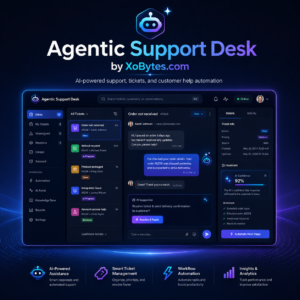
Agentic Support Desk for WordPress by XoBytes.com
$19.99
Agentic Support Desk by Xobytes is an AI-powered WordPress support desk built for software sellers, WooCommerce stores, agencies,…
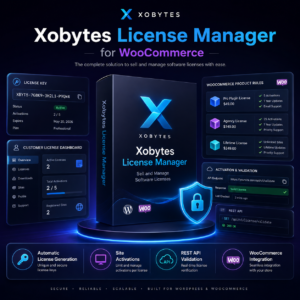
License manager for WooCommerce by XoBytes.com
$25.00
Xobytes License Manager for WooCommerce is a powerful WooCommerce license manager plugin that lets you sell software licenses,…

Agent Shield by XoBytes | Protect against agentic software
$25.00
AgentShield is a WordPress AI Agent Firewall that helps detect, monitor, block, and temporarily ban AI crawlers, AI…
Product 1 of 6
Comparison: Custom Software vs. Off-the-Shelf Solutions
When deciding between custom software and off-the-shelf solutions, it’s essential to weigh the pros and cons of each option:
Custom Software
- Pros:
- Tailored to specific business needs
- Greater flexibility for future changes
- Enhanced integration with existing systems
- Cons:
- Higher initial costs
- Longer development time
- Requires ongoing maintenance and updates
Off-the-Shelf Software
- Pros:
- Lower upfront costs
- Immediate availability
- Regular updates and support from the vendor
- Cons:
- Limited customization options
- Potential for unnecessary features that complicate use
- Integration challenges with existing systems
Implementation Steps for Custom Software Development
Implementing custom software requires careful planning and execution. Here are the key steps involved in the implementation process:
- Requirement Gathering: Work closely with stakeholders to gather detailed requirements and expectations for the software.
- Prototyping: Develop a prototype or wireframe to visualize the software’s layout and functionalities, allowing for early feedback.
- Development: Begin the development process, ensuring that the team adheres to the agreed-upon specifications and timelines.
- Testing: Conduct thorough testing, including unit testing, integration testing, and user acceptance testing, to identify and resolve any issues.
- Deployment: Launch the software in a controlled environment, followed by a full rollout to all users.
- Training and Support: Provide training sessions for users and establish a support system to address any questions or concerns post-launch.
Decision Criteria for Choosing Custom Software Development
When considering custom software development, businesses should evaluate the following criteria to ensure it is the right choice:
- Business Size and Complexity: Larger organizations with complex processes may benefit more from custom solutions than smaller businesses with straightforward needs.
- Specific Needs: Assess whether off-the-shelf software can meet your unique requirements or if customization is necessary for operational success.
- Budget Constraints: Determine if your budget allows for the initial investment and ongoing maintenance associated with custom software.
- Future Growth: Consider your company’s growth trajectory and whether the software can scale alongside your business.
Common Misconceptions About Custom Software Development
Despite the growing popularity of custom software solutions, several misconceptions persist that can hinder businesses from making informed decisions. Here are some of the most common myths:
Continue with Comprehensive Guide to Custom Software Development: Benefits, Costs, and Key Factors for additional XoBytes guidance.
- Myth 1: Custom software is only for large enterprises.
- Myth 2: Custom software development takes too long.
- Myth 3: Once developed, custom software does not require updates.
Understanding these misconceptions can help businesses recognize the true potential and flexibility of custom software solutions.
Best Practices for Custom Software Development
To maximize the benefits of custom software development, consider the following best practices:
- Involve Users Early: Engage end-users during the requirement gathering phase to ensure the software meets their needs and expectations.
- Prioritize Security: Implement security measures from the outset to protect sensitive data and comply with industry regulations.
- Iterate and Improve: Use feedback from users to make iterative improvements post-launch, ensuring the software remains relevant and effective.
Future Trends in Custom Software Development
As technology continues to evolve, several trends are shaping the future of custom software development:
- Increased Use of AI and Machine Learning: Custom software is increasingly incorporating AI capabilities to enhance functionality and user experience.
- Low-Code and No-Code Development: These platforms are gaining traction, allowing businesses to create custom applications with minimal coding expertise.
- Focus on User Experience (UX): A strong emphasis on UX design is becoming essential, as businesses recognize its impact on user satisfaction and adoption rates.
Evaluating Custom Software Development Vendors
Selecting the right vendor for custom software development is crucial. Here are key criteria to consider when evaluating potential partners:
- Portfolio: Review the vendor’s previous projects to assess their experience and expertise in your industry.
- Client Testimonials: Seek feedback from past clients to understand their satisfaction levels and the vendor’s reliability.
- Technical Proficiency: Ensure the vendor has the necessary technical skills and knowledge of the latest technologies relevant to your project.
- Post-Launch Support: Confirm that the vendor offers ongoing support and maintenance to address any issues that may arise after deployment.
Frequently Asked Questions
Below are some frequently asked questions regarding custom software development:
- What is custom software development? Custom software development is the process of designing and building software tailored specifically to meet the unique needs of a business or organization.
- When should a business consider developing custom software? A business should consider custom software when off-the-shelf solutions do not fully address its specific workflows, scalability needs, or integration requirements.
- What factors influence the cost of custom software development? Key factors include project complexity, features required, development time, team expertise, and platform choice.
- How long does it typically take to develop custom software? Development duration varies based on scope but generally ranges from a few months to over a year for complex projects.