
In today’s competitive landscape, businesses are constantly seeking ways to improve efficiency and streamline operations. One effective solution is custom software development. Tailored to meet specific business needs, custom software not only enhances productivity but also provides a significant edge over standard off-the-shelf solutions. For instance, if you’re looking to integrate advanced features into your workflow, consider the Agentic Consultant, Product Rep, & Customer Service Agent by XoBytes. This powerful tool offers a smart AI product representative and customer service agent, ensuring that your business operations run smoothly.
Moreover, custom software solutions allow for greater flexibility, ensuring that the software can evolve alongside your business needs. This adaptability is crucial in a fast-paced business environment where changes are frequent. Therefore, understanding the benefits of custom software can lead to informed decisions that drive business efficiency.
What is Custom Software?
Custom software refers to applications specifically designed and developed to meet the unique requirements of a business. Unlike off-the-shelf software, which is created for a broad audience, custom software is tailored to fit the specific processes and goals of an organization. This personalization can include everything from user interface design to functionality and integration with existing systems.
Benefits of Custom Software
To make this easier, let’s explore some key benefits of custom software:
- Increased Efficiency: Custom software is built to streamline your specific workflows, reducing time spent on manual tasks.
- Scalability: As your business grows, custom software can be adjusted and expanded to meet new demands without the need for a complete overhaul.
- Enhanced Security: Tailored solutions often incorporate advanced security features that protect sensitive business data more effectively than generic software.
- Integration: Custom software can be designed to integrate seamlessly with your existing systems and tools, improving overall productivity.
- Competitive Advantage: By utilizing software that specifically caters to your business needs, you can outperform competitors relying on standard solutions.
When to Consider Custom Software Development
Identifying the right time to invest in custom software is essential for maximizing its benefits. Businesses should consider custom development in the following scenarios:
- When off-the-shelf solutions do not adequately meet operational needs.
- If there is a requirement for unique features that are not available in standard software.
- When existing software solutions are too costly to adapt or maintain.
- If a business is looking to gain a competitive edge through specialized tools.
Custom Software vs. Off-the-Shelf Solutions
Understanding the differences between custom software and off-the-shelf solutions is crucial. Off-the-shelf software is generally less expensive and quicker to implement, but it often lacks the flexibility needed for specific business needs. In contrast, custom software requires a higher initial investment and longer development time but yields long-term benefits through tailored functionality and integration.
For example, the Agentic Consultant is an excellent illustration of a custom solution that enhances customer engagement and operational efficiency. It acts as a smart AI product representative and customer service agent, addressing specific business challenges.
Costs Associated with Custom Software Development
Costs for developing custom software can vary widely based on several factors:
- Project Complexity: More complex projects require more time and resources, increasing costs.
- Features and Functionality: The more features you want, the higher the development costs will be.
- Development Team: The choice between hiring freelancers, an agency, or an in-house team will affect pricing.
- Ongoing Maintenance: Consider long-term costs associated with updates and support.
Real-World Applications of Custom Software
Businesses across various industries have successfully implemented custom software solutions. For instance:
- A healthcare provider developed a custom application to manage patient records securely, improving efficiency and compliance.
- A retail company utilized custom software to integrate its inventory management with its e-commerce platform, enhancing operational efficiency.
- A logistics firm created a tailored solution for tracking shipments in real-time, providing better service to customers.
These examples illustrate how custom software can solve specific problems and drive business efficiency. By investing in tailored solutions, organizations can achieve their goals more effectively.
Conclusion
In conclusion, custom software development is a strategic investment for businesses aiming to enhance efficiency and gain a competitive edge. By understanding the benefits and applications of tailored solutions, organizations can make informed decisions that align with their unique needs. If you’re considering custom software, explore the Agentic Consultant today and see how it can transform your business operations.
Related XoBytes Products

Agentic Consultant, Product Rep, & Customer Service Agent By XoBytes.com
$19.99
Agentic Consultant for WordPress gives your website a smart AI product rep, customer service agent, and hands-free voice…
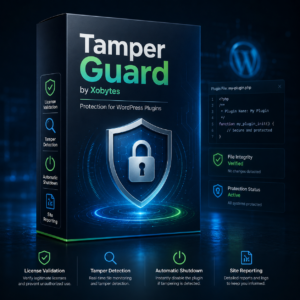
Tamper Guard by XoBytes | WordPress Plugin Tamper Detector
$25.00
Protect your commercial WordPress plugins with license-based tamper detection, file integrity monitoring, automatic shutdown protection, and site reporting.…

Agentic Construction Theme | More than just a theme | Built for all trades
$49.99
Why You Need This Theme And Plugin! Click here for the Demo Agentic Construction Theme by XoBytes is…
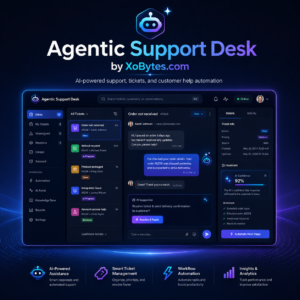
Agentic Support Desk for WordPress by XoBytes.com
$19.99
Agentic Support Desk by Xobytes is an AI-powered WordPress support desk built for software sellers, WooCommerce stores, agencies,…
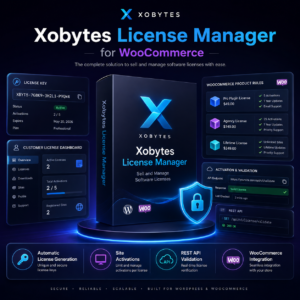
License manager for WooCommerce by XoBytes.com
$25.00
Xobytes License Manager for WooCommerce is a powerful WooCommerce license manager plugin that lets you sell software licenses,…
Product 1 of 6
For additional authoritative context, review Facebook.
Key Considerations for Custom Software Development
Before embarking on a custom software development journey, it’s crucial to evaluate several key considerations that can significantly impact the outcome of your project:
Continue with Custom Software Explained: Tailored Solutions for Business Efficiency for additional XoBytes guidance.
- Define Clear Objectives: Establish what you aim to achieve with the custom software. Whether it’s improving efficiency, enhancing customer service, or streamlining operations, having clear objectives will guide the development process.
- Engage Stakeholders: Involve key stakeholders from different departments early in the process. Their insights can help shape the software’s functionality and ensure it meets the needs of all users.
- Choose the Right Development Methodology: Opt for a development methodology that aligns with your project goals. Agile methodologies, for instance, allow for iterative development and frequent reassessment, which can be beneficial for complex projects.
- Plan for Future Scalability: Design the software with potential future growth in mind. This means considering factors such as user load, data volume, and additional features that may be needed down the line.
Implementation Steps for Custom Software
Implementing custom software involves several critical steps to ensure a smooth transition and successful adoption:
- Initial Consultation: Meet with a software development team to discuss your needs, objectives, and any existing systems that need integration.
- Requirement Gathering: Conduct workshops and interviews with stakeholders to gather detailed requirements that will inform the design and functionality of the software.
- Prototyping: Develop a prototype or wireframe to visualize the software’s layout and features. This allows for early feedback and adjustments before full development begins.
- Development: The development team will begin coding the software based on the approved prototype, incorporating necessary features and functionalities.
- Testing: Conduct thorough testing, including unit testing, integration testing, and user acceptance testing, to identify and rectify issues before launch.
- Deployment: Roll out the software to users, ensuring that all systems are functioning correctly and that users have access to necessary training and support.
- Ongoing Support and Maintenance: Establish a plan for ongoing support, including regular updates, bug fixes, and user feedback mechanisms to continuously improve the software.
Comparing Custom Software Development Approaches
When considering custom software development, businesses can choose between various approaches, each with its advantages and disadvantages:
- In-House Development: Building a dedicated team within your organization can lead to better alignment with business goals and easier communication. However, it may require significant investment in hiring and training.
- Outsourcing to a Development Agency: Partnering with an experienced agency can provide access to specialized skills and faster development times. However, it’s essential to choose a reputable agency to ensure quality and reliability.
- Freelancers: Hiring freelancers can be a cost-effective solution for smaller projects. However, managing multiple freelancers can be challenging and may lead to inconsistencies in quality and communication.
Real-World Success Stories of Custom Software
To illustrate the impact of custom software, consider the following success stories:
- Manufacturing Efficiency: A manufacturing company developed a custom inventory management system that integrated with their production line, reducing waste and improving order fulfillment times by 30%.
- Financial Services Innovation: A financial services firm created a custom client portal that allowed customers to access their accounts, track investments, and communicate with advisors, leading to a 50% increase in client engagement.
- Education Sector Transformation: An educational institution implemented custom software for online course management, enabling real-time updates and enhanced communication between students and instructors, resulting in higher student satisfaction rates.
Frequently Asked Questions
Here are some common questions about custom software:
- What is the main difference between custom developed software and off-the-shelf solutions?
Custom developed software is tailored specifically to a business’s unique needs, offering greater flexibility and integration, while off-the-shelf solutions are ready-made products designed for general use. - When should a business consider developing custom software?
Businesses should consider custom software when off-the-shelf options cannot meet their specific requirements, or when they need scalable, integrated, and efficient solutions that provide a competitive advantage. - What are the typical costs associated with custom software development?
Costs vary depending on project complexity, features, and scope, but generally include planning, design, development, testing, and ongoing maintenance. Refer to our related guides for detailed cost insights.