
In today’s fast-paced business environment, efficiency is key. Companies are constantly looking for ways to streamline operations and improve productivity. One effective solution is custom software. Unlike off-the-shelf software, which may not meet specific needs, custom software is tailored to fit the unique requirements of a business. This article explains how tailored solutions drive business efficiency and explores the many benefits of custom software development.
One example of a product that can enhance your business’s efficiency is the Agentic Consultant, Product Rep, & Customer Service Agent by XoBytes. This innovative tool acts as a smart AI product representative and customer service agent, allowing businesses to automate interactions and provide seamless support. At a price of just $19.99, it’s an excellent investment for any organization looking to enhance its operational efficiency.
Understanding Custom Software
Custom software development involves creating software solutions that are specifically designed to meet the needs of a particular organization. This process includes various stages, such as planning, design, development, testing, and maintenance. The main advantage of custom software is that it allows businesses to have complete control over the features and functionalities that are most important to them.
Benefits of Custom Software
There are several key benefits to investing in custom software:
- Tailored Features: Custom software is built with the specific needs of the business in mind, ensuring that all features are relevant and useful.
- Scalability: As a business grows, its software needs may change. Custom software can be easily scaled to accommodate new requirements.
- Integration: Custom solutions can be designed to integrate seamlessly with existing systems, enhancing overall efficiency.
- Cost-Effectiveness: While the initial investment may be higher than off-the-shelf solutions, the long-term savings from increased efficiency and productivity can outweigh the costs.
- Competitive Advantage: By using software tailored to their unique processes, businesses can differentiate themselves from competitors.
When to Choose Custom Software
Deciding whether to invest in custom software can be challenging. Here are some scenarios where custom development may be the best choice:
- Your business has unique processes that off-the-shelf solutions cannot accommodate.
- You require specific features that are not available in existing software products.
- Your business is growing, and you need a scalable solution that can adapt to changing needs.
- You want to improve integration with existing systems and tools.
The Development Process
The custom software development process typically involves several stages:
- Planning: This initial phase involves gathering requirements and understanding the specific needs of the business.
- Design: Based on the requirements, the software’s architecture and user interface are designed.
- Development: The actual coding and development of the software take place during this phase.
- Testing: Rigorous testing is conducted to ensure the software is functional and free of bugs.
- Deployment: Once testing is complete, the software is deployed for use within the organization.
- Maintenance: Ongoing support and updates are provided to ensure the software continues to meet business needs.
Agentic Consultant: A Custom Solution for Business Efficiency
The Agentic Consultant is a prime example of how custom software can drive business efficiency. This AI-powered tool functions as a product representative and customer service agent, helping businesses automate their customer interactions. With features like voice assistance and smart responses, it significantly reduces the time and effort needed for customer service tasks.
Who Is It For?
The Agentic Consultant is perfect for:
- Small to medium-sized businesses looking to enhance customer support.
- Organizations that need to streamline their sales processes.
- Companies seeking to provide 24/7 customer service without increasing staff costs.
Who Is It Not For?
However, it may not be suitable for:
- Large enterprises with complex customer service needs that require extensive customization.
- Businesses that already have robust customer service solutions in place.
Conclusion
In conclusion, custom software solutions, like the Agentic Consultant, can significantly enhance business efficiency. By understanding the unique needs of your organization and investing in tailored solutions, you can streamline operations, improve productivity, and gain a competitive edge in the marketplace. If you’re interested in exploring how custom software can benefit your business, consider checking out the Agentic Consultant today.
Related XoBytes Products

Agentic Consultant, Product Rep, & Customer Service Agent By XoBytes.com
$19.99
Agentic Consultant for WordPress gives your website a smart AI product rep, customer service agent, and hands-free voice…
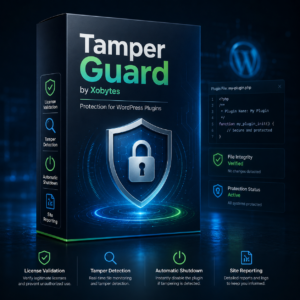
Tamper Guard by XoBytes | WordPress Plugin Tamper Detector
$25.00
Protect your commercial WordPress plugins with license-based tamper detection, file integrity monitoring, automatic shutdown protection, and site reporting.…
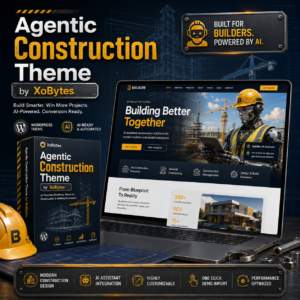
Agentic Construction Theme | More than just a theme | Built for all trades
$49.99
Why You Need This Theme And Plugin! Click here for the Demo Agentic Construction Theme by XoBytes is…
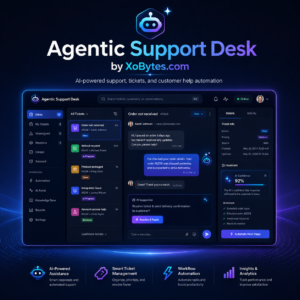
Agentic Support Desk for WordPress by XoBytes.com
$19.99
Agentic Support Desk by Xobytes is an AI-powered WordPress support desk built for software sellers, WooCommerce stores, agencies,…
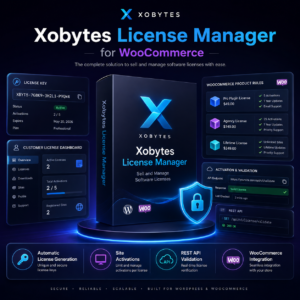
License manager for WooCommerce by XoBytes.com
$25.00
Xobytes License Manager for WooCommerce is a powerful WooCommerce license manager plugin that lets you sell software licenses,…
Product 1 of 6
Practical Examples of Custom Software in Action
To better understand the impact of custom software, let’s explore a few real-world examples of businesses that have successfully implemented tailored solutions to enhance their efficiency:
1. Inventory Management System for a Retail Chain
A mid-sized retail chain faced challenges with inventory tracking and management. They opted for a custom inventory management system that integrated with their existing point-of-sale software. This solution allowed them to:
- Track inventory levels in real-time.
- Automate reordering processes.
- Analyze sales data to optimize stock levels.
As a result, the retailer reduced stockouts by 30% and improved overall inventory turnover.
2. CRM System for a Service-Based Business
A service-based business, such as a marketing agency, implemented a custom Customer Relationship Management (CRM) system. This system was designed to:
- Manage client interactions and track project progress.
- Automate follow-up communications.
- Generate reports on campaign performance.
With this tailored CRM, the agency improved client retention rates by 25% and increased their project delivery speed.
Key Considerations When Developing Custom Software
Before embarking on a custom software development journey, businesses should consider the following factors:
1. Define Clear Objectives
Establish clear goals for what you want the software to achieve. This includes identifying pain points, desired features, and expected outcomes.
2. Budget and Resources
Assess your budget and the resources available for the project. Custom software development can be a significant investment, so it’s essential to allocate funds for:
- Development costs
- Testing and quality assurance
- Ongoing maintenance and updates
3. Choose the Right Development Partner
Selecting a capable development team is crucial. Look for partners with:
For additional authoritative context, review Facebook.
- Experience in your industry.
- Strong portfolios showcasing similar projects.
- Positive client testimonials and references.
Implementation Steps for Custom Software
Once you decide to move forward with custom software development, follow these implementation steps to ensure a successful rollout:
- Requirement Gathering: Collaborate with stakeholders to gather and document all requirements.
- Prototype Development: Create a prototype to visualize the software and gather feedback.
- Iterative Development: Use agile methodologies to develop the software in stages, allowing for adjustments based on feedback.
- Testing: Conduct thorough testing to identify and fix any bugs or issues.
- Training: Train your staff on how to use the new system effectively.
- Launch: Deploy the software and monitor its performance closely for any initial issues.
- Feedback Loop: Establish a feedback loop to continuously improve the software based on user experiences.
Comparing Custom Software Development with Off-the-Shelf Solutions
When considering software options, it’s beneficial to compare custom development with off-the-shelf solutions. Here are some key differences:
Customization
Custom Software: Fully tailored to meet specific business needs.
Continue with Custom Software Explained: Tailored Solutions for Business Efficiency for additional XoBytes guidance.
Off-the-Shelf Software: Limited customization options; designed for a broad audience.
Initial Cost
Custom Software: Higher upfront investment due to development costs.
Off-the-Shelf Software: Lower initial cost, but may incur additional fees for upgrades and support.
Scalability
Custom Software: Easily scalable to adapt to changing business needs.
Off-the-Shelf Software: May require costly upgrades or replacements as business needs evolve.
Frequently Asked Questions
Here are some common questions about custom software development:
What is the main difference between custom developed software and off-the-shelf solutions?
Custom developed software is tailored specifically to a business’s unique needs, offering greater flexibility and integration, while off-the-shelf solutions are ready-made products designed for general use.
When should a business consider developing custom software?
Businesses should consider custom software when off-the-shelf options cannot meet their specific requirements, or when they need scalable, integrated, and efficient solutions that provide a competitive advantage.
What are the typical costs associated with custom software development?
Costs vary depending on project complexity, features, and scope, but generally include planning, design, development, testing, and ongoing maintenance. Refer to our related guides for detailed cost insights.