
In today’s competitive landscape, businesses face unique challenges that often require tailored solutions. One effective way to address these challenges is through custom developed software. This type of software is specifically designed to meet the unique needs of a business, ensuring that it operates at peak efficiency. Moreover, if you are looking for a solution that can significantly enhance your business processes, consider the Agentic Consultant, Product Rep, & Customer Service Agent by XoBytes. This innovative tool serves as a smart AI product representative and customer service agent, helping you streamline operations while providing exceptional service to your customers.
Custom software development is not just about creating software; it’s about building a solution that fits your business perfectly. This article will explore when to choose custom developed software for your business growth, highlighting its benefits, use cases, and the factors to consider.
Understanding Custom Developed Software
Custom developed software refers to applications that are specifically designed for a particular organization or user. Unlike off-the-shelf software, which is mass-produced for general use, custom software is tailored to meet specific needs. For example, a company that requires a unique inventory management system may choose to invest in custom software to ensure it meets all of its operational requirements.
Furthermore, the decision to invest in custom software should be based on a clear understanding of your business needs. In addition, businesses should evaluate the long-term benefits of custom solutions, including scalability, flexibility, and integration with existing systems.
Key Benefits of Custom Developed Software
Choosing custom developed software offers several advantages. To make this easier to understand, here are some key benefits:
- Tailored Solutions: Custom software is designed specifically for your business, ensuring that it meets your unique requirements.
- Scalability: As your business grows, custom software can be easily updated and scaled to accommodate new needs.
- Integration: Custom solutions can be integrated with existing systems, improving overall efficiency.
- Competitive Advantage: By utilizing software that is tailored to your operations, you can gain a competitive edge over businesses using generic solutions.
- Cost-Effectiveness: Although the initial investment may be higher, custom software can save money in the long run by increasing productivity and reducing operational inefficiencies.
When to Choose Custom Developed Software
Determining when to opt for custom developed software is crucial for your business growth. Here are some scenarios where custom solutions might be the best choice:
- Unique Business Processes: If your business has specific processes that off-the-shelf software cannot accommodate, custom software may be necessary.
- Integration Needs: When you require software that integrates seamlessly with your existing tools and platforms, custom solutions can provide the necessary compatibility.
- Scalability Requirements: If your business is rapidly growing or changing, custom software can be designed to scale with your operations.
- Enhanced Security: Custom software can offer enhanced security measures tailored to your organization’s specific needs, protecting sensitive data more effectively.
- Regulatory Compliance: If your industry has specific compliance requirements, custom software can be developed to meet these regulations.
Use Cases for Custom Developed Software
There are numerous use cases for custom developed software across various industries. For example:
- Healthcare: Custom solutions can manage patient records, appointments, and billing systems.
- Finance: Custom software can streamline accounting processes and provide tailored financial reporting.
- E-commerce: Online retailers can benefit from custom shopping carts and inventory management systems.
- Manufacturing: Custom software can optimize supply chain management and production processes.
- Education: Educational institutions can use custom software for managing courses, student records, and assessments.
Dedicated Product Section: Agentic Consultant
The Agentic Consultant, Product Rep, & Customer Service Agent by XoBytes is a powerful tool designed to enhance your customer interactions. For just $19.99, this product serves as a smart AI representative, capable of providing hands-free assistance to your customers. It integrates seamlessly into your WordPress website, ensuring that you can offer support and product information around the clock.
This tool is ideal for businesses looking to improve customer service efficiency and engagement. However, it may not be suitable for businesses that do not require customer interaction or have very simple service needs.
Related XoBytes Products

Agentic Consultant, Product Rep, & Customer Service Agent By XoBytes.com
$19.99
Agentic Consultant for WordPress gives your website a smart AI product rep, customer service agent, and hands-free voice…
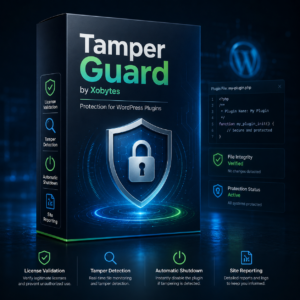
Tamper Guard by XoBytes | WordPress Plugin Tamper Detector
$25.00
Protect your commercial WordPress plugins with license-based tamper detection, file integrity monitoring, automatic shutdown protection, and site reporting.…

Agentic Construction Theme | More than just a theme | Built for all trades
$49.99
Why You Need This Theme And Plugin! Click here for the Demo Agentic Construction Theme by XoBytes is…
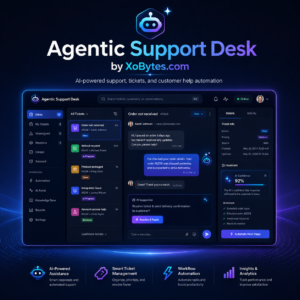
Agentic Support Desk for WordPress by XoBytes.com
$19.99
Agentic Support Desk by Xobytes is an AI-powered WordPress support desk built for software sellers, WooCommerce stores, agencies,…
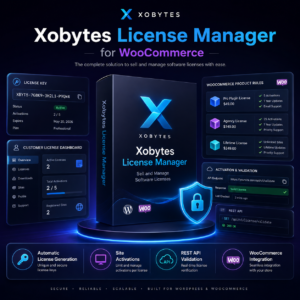
License manager for WooCommerce by XoBytes.com
$25.00
Xobytes License Manager for WooCommerce is a powerful WooCommerce license manager plugin that lets you sell software licenses,…
Product 1 of 6
Conclusion
In conclusion, custom developed software can significantly enhance your business growth by providing tailored solutions that address your specific needs. By understanding the benefits and knowing when to choose custom software, you can make informed decisions that will drive efficiency and improve your operations.
For additional authoritative context, review Facebook.
For businesses looking to enhance their customer service capabilities, consider the Agentic Consultant, Product Rep, & Customer Service Agent. This innovative solution can help you streamline processes and provide exceptional service to your customers.
Continue with What Is Custom Developed Software? Key Benefits and Use Cases for additional XoBytes guidance.
Implementation Steps for Custom Software Development
Implementing custom developed software is a structured process that involves several key steps. Following these steps can help ensure that the software meets your business needs effectively:
- Define Your Requirements: Start by conducting a thorough analysis of your business processes to identify specific needs. Engage stakeholders to gather input on functionalities and features required.
- Choose the Right Development Partner: Select a software development company with experience in your industry. Review their portfolio and client testimonials to ensure they can deliver quality solutions.
- Design and Prototyping: Work with your development team to create wireframes and prototypes. This visual representation allows you to refine requirements and make adjustments before full-scale development begins.
- Development: The development phase involves coding the software. Regular check-ins and updates from the development team can help you stay informed about progress and address any issues early.
- Testing: Conduct rigorous testing to identify bugs and ensure the software meets all requirements. This phase should include user acceptance testing (UAT) to gather feedback from actual users.
- Deployment: Once testing is complete, deploy the software within your organization. Ensure that all users are trained on how to use the new system effectively.
- Ongoing Support and Maintenance: After deployment, ongoing support is crucial. Establish a maintenance plan to address any issues and implement updates as needed.
Comparing Custom Software Development to Off-the-Shelf Solutions
While both custom software and off-the-shelf solutions have their merits, understanding their differences can help you make an informed decision. Here’s a comparison:
| Criteria | Custom Software | Off-the-Shelf Software |
|---|---|---|
| Cost | Higher initial investment but potentially lower long-term costs due to efficiency gains. | Lower upfront costs, but may incur additional expenses for licenses and upgrades. |
| Flexibility | Highly flexible and adaptable to changing business needs. | Limited flexibility; may require workarounds to fit specific needs. |
| Integration | Easily integrates with existing systems and processes. | May have compatibility issues with existing systems, leading to potential disruptions. |
| Support | Dedicated support from the development team familiar with your software. | General support, often with long wait times and less personalized assistance. |
| Updates | Updates can be tailored to your specific needs and timeline. | Updates are released on a set schedule and may not address your unique requirements. |
Decision Criteria for Choosing Custom Software
When deciding whether to invest in custom software, consider the following criteria:
- Business Goals: Align the software capabilities with your overall business strategy. Consider how custom software can help achieve specific objectives.
- User Experience: Evaluate how the software will impact user experience. Custom solutions can enhance usability tailored to your team’s workflow.
- Long-term Vision: Think about your business’s future needs. Custom software is designed to grow with your organization, accommodating changes and expansions.
- Budget Constraints: Assess your budget for both initial development and ongoing maintenance. Balance cost against the potential return on investment.
- Technical Expertise: Ensure your team has the technical expertise to manage and maintain the software, or plan for external support.
Frequently Asked Questions
Here are some common questions about custom developed software:
- What is the main difference between custom developed software and off-the-shelf solutions?
Custom developed software is tailored specifically to a business’s unique needs, offering greater flexibility and integration, while off-the-shelf solutions are ready-made products designed for general use. - When should a business consider developing custom software?
Businesses should consider custom software when off-the-shelf options cannot meet their specific requirements, or when they need scalable, integrated, and efficient solutions that provide a competitive advantage. - What are the typical costs associated with custom software development?
Costs vary depending on project complexity, features, and scope, but generally include planning, design, development, testing, and ongoing maintenance. Refer to our related guides for detailed cost insights.