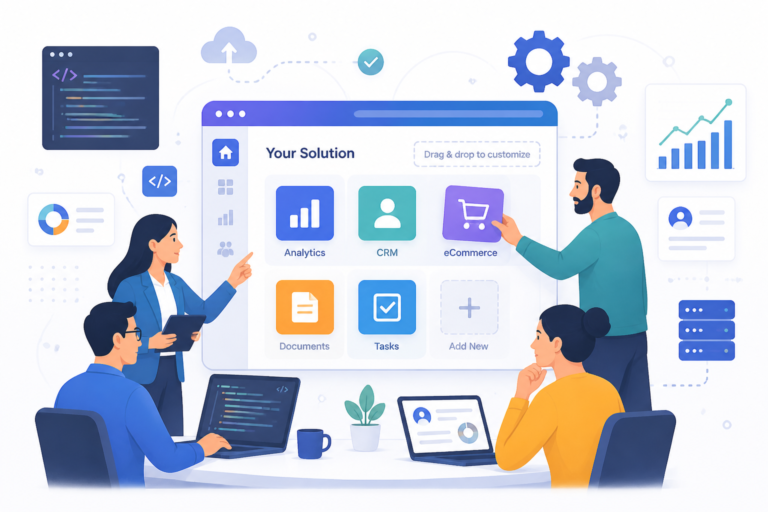
In today’s fast-paced business environment, choosing the right software solution is crucial for growth. One option that many companies consider is custom developed software. This tailored approach provides unique solutions that can significantly enhance operational efficiency. For instance, Agentic Consultant, Product Rep, & Customer Service Agent by XoBytes.com offers a smart AI product representative that can streamline customer interactions. This software helps businesses automate customer service, making it ideal for organizations looking to improve efficiency.
However, deciding whether to invest in custom software can be challenging. In this article, we will explore when to choose custom developed software for your business growth. We will discuss its benefits, use cases, and how it compares to off-the-shelf solutions.
Understanding Custom Developed Software
Custom developed software is specifically designed to meet the unique needs of a business. Unlike off-the-shelf solutions, which are generic and designed for a broad audience, custom software offers flexibility and adaptability. This means it can be tailored to fit specific business processes and workflows.
For example, businesses that require specialized functionalities, such as unique reporting capabilities or integration with existing systems, benefit greatly from custom solutions. This flexibility often leads to increased productivity and efficiency, which are critical for business growth.
Key Benefits of Custom Software Development
There are several key benefits to consider when deciding on custom software development:
- Tailored Solutions: Custom software addresses specific business needs, ensuring that all functionalities are relevant and useful.
- Scalability: As your business grows, custom software can be easily modified to accommodate new requirements.
- Integration: Custom solutions can seamlessly integrate with existing systems, enhancing overall efficiency.
- Competitive Advantage: By utilizing software that is tailored to your operations, you can gain a significant edge over competitors using generic solutions.
When to Choose Custom Developed Software
There are specific scenarios where opting for custom software is particularly beneficial:
- Unique Business Processes: If your business has unique processes that off-the-shelf software cannot accommodate, custom software is the ideal choice.
- Need for Scalability: When anticipating growth, custom solutions can be designed with scalability in mind, allowing for future enhancements.
- Integration Requirements: If your business relies on multiple systems that need to work together, custom software can be developed to ensure seamless integration.
- Budget Considerations: While custom software may have a higher initial investment, it can lead to long-term savings through increased efficiency and reduced operational costs.
Comparing Custom Software to Off-the-Shelf Solutions
When evaluating software options, it’s essential to compare custom software with off-the-shelf solutions:
- Cost: Custom software often requires a higher upfront investment compared to off-the-shelf solutions. However, the long-term return on investment can be more favorable.
- Flexibility: Custom software offers unparalleled flexibility to meet specific needs, while off-the-shelf products may require workarounds.
- Support and Maintenance: Custom solutions typically come with dedicated support, whereas off-the-shelf products may rely on community forums or general customer service.
Real-World Use Cases
Many businesses have successfully implemented custom developed software to drive growth:
- E-commerce Platforms: Custom solutions can enhance customer experience by providing tailored shopping experiences and personalized recommendations.
- Healthcare Systems: Custom software can streamline patient management and improve data accuracy, enhancing overall care.
- Financial Services: Custom solutions can automate complex financial processes, ensuring compliance and accuracy.
For businesses looking to enhance their customer interactions, consider the Agentic Consultant. This powerful tool acts as an AI product representative and customer service agent, providing hands-free support and automating responses to common inquiries. It’s particularly useful for businesses that want to improve their customer service without increasing headcount.
Conclusion
Choosing the right software solution is crucial for business growth. Custom developed software offers tailored solutions that can meet unique business needs, enhance efficiency, and provide a competitive advantage. However, it’s essential to assess your specific requirements and consider the long-term benefits of custom solutions. If you’re ready to explore the potential of custom software, consider the Agentic Consultant for your business.
Implementation Steps for Custom Software Development
Implementing custom software requires a structured approach to ensure success. Here are the key steps:
- Define Requirements: Gather input from stakeholders to outline specific needs and functionalities.
- Choose the Right Development Partner: Select a development team with experience in your industry and a proven track record.
- Design and Prototyping: Create wireframes and prototypes to visualize the software before full-scale development.
- Development: Begin coding based on the agreed specifications and maintain regular communication with stakeholders.
- Testing: Conduct thorough testing to identify any bugs or issues, ensuring the software meets all requirements.
- Deployment: Roll out the software to your organization, ensuring proper training and support for users.
- Feedback and Iteration: Gather user feedback and make necessary adjustments to improve functionality and user experience.
Related XoBytes Products

Agentic Consultant, Product Rep, & Customer Service Agent By XoBytes.com
$19.99
Agentic Consultant for WordPress gives your website a smart AI product rep, customer service agent, and hands-free voice…
Tamper Guard by XoBytes | WordPress Plugin Tamper Detector
$25.00
Protect your commercial WordPress plugins with license-based tamper detection, file integrity monitoring, automatic shutdown protection, and site reporting.…

Agentic Construction Theme | More than just a theme | Built for all trades
$49.99
Why You Need This Theme And Plugin! Click here for the Demo Agentic Construction Theme by XoBytes is…
Agentic Support Desk for WordPress by XoBytes.com
$19.99
Agentic Support Desk by Xobytes is an AI-powered WordPress support desk built for software sellers, WooCommerce stores, agencies,…
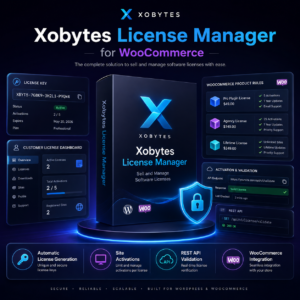
License manager for WooCommerce by XoBytes.com
$25.00
Xobytes License Manager for WooCommerce is a powerful WooCommerce license manager plugin that lets you sell software licenses,…
Product 1 of 6
Decision Criteria for Choosing Custom Developed Software
When considering custom software, it’s essential to evaluate several decision criteria:
- Business Objectives: Assess how custom software aligns with your long-term business goals.
- Technical Compatibility: Ensure the software can integrate with existing systems and technologies.
- User Experience: Consider how the software will enhance user experience for both employees and customers.
- Maintenance and Support: Evaluate the level of ongoing support and maintenance provided by the development team.
- Future-Proofing: Determine if the software can evolve with your business needs over time.
Real-World Success Stories
Understanding the impact of custom software through real-world examples can help clarify its benefits:
For additional authoritative context, review Facebook.
- Retail Business: A retail company implemented a custom inventory management system that reduced stock discrepancies by 30% and improved order fulfillment speed.
- Logistics Firm: A logistics provider developed a custom tracking system that integrated GPS and route optimization, resulting in a 25% reduction in delivery times.
- Education Sector: An educational institution created a custom learning management system tailored to its curriculum, increasing student engagement and course completion rates.
Common Misconceptions About Custom Software
There are several misconceptions surrounding custom software that can deter businesses from considering it:
Continue with What Is Custom Developed Software? Key Benefits and Use Cases for additional XoBytes guidance.
- High Initial Costs: While upfront costs can be higher, the long-term savings and efficiencies often outweigh initial investments.
- Long Development Times: With proper planning and a skilled development team, timelines can be manageable and efficient.
- Limited Flexibility: Custom software is designed to be flexible and can evolve as business needs change, contrary to the belief that it is static.
Implementation Challenges and How to Overcome Them
While custom software development offers numerous benefits, it can also present challenges that businesses must navigate. Here are some common hurdles and strategies to overcome them:
- Scope Creep: This occurs when project requirements expand beyond the original plan. To manage this, establish clear project goals and maintain regular communication with stakeholders.
- Budget Overruns: Unexpected costs can arise during development. To mitigate this, create a detailed budget that includes a contingency fund for unforeseen expenses.
- Technical Debt: Rushing through development can lead to suboptimal code quality. Prioritize thorough testing and code reviews to maintain high standards.
- User Adoption: Employees may resist new software. Provide comprehensive training and support to facilitate a smooth transition.
Best Practices for Custom Software Development
To maximize the benefits of custom software, consider these best practices:
- Involve Users Early: Engage end-users in the development process to gather insights on their needs and preferences.
- Iterative Development: Use an agile approach to develop software in increments, allowing for adjustments based on user feedback.
- Focus on Security: Implement robust security measures from the outset to protect sensitive data and maintain compliance with regulations.
- Regular Updates: Schedule regular updates and maintenance to keep the software current and functional.
Evaluating Development Partners
Choosing the right development partner is critical to the success of your custom software project. Here are key factors to consider:
- Experience and Expertise: Look for a partner with a proven track record in your industry and specific expertise in the technologies you need.
- Portfolio: Review their previous projects to assess the quality and functionality of their work.
- Client Testimonials: Seek feedback from past clients to understand their experiences and satisfaction levels.
- Communication Skills: Ensure the development team can communicate effectively and is responsive to your needs throughout the project.
Future Trends in Custom Software Development
As technology evolves, so do the trends in custom software development. Here are some emerging trends to watch:
- Artificial Intelligence: Incorporating AI can enhance software capabilities, enabling smarter decision-making and automation.
- Cloud Computing: Cloud-based solutions offer flexibility and scalability, allowing businesses to access software from anywhere.
- Low-Code Development: Low-code platforms enable faster development with less coding, making it easier for businesses to create and modify software.
- Focus on User Experience: Custom software will increasingly prioritize user experience, ensuring intuitive interfaces and seamless interactions.
Frequently Asked Questions
Here are some common questions regarding custom developed software:
- What is the main difference between custom developed software and off-the-shelf solutions? Custom developed software is tailored specifically to a business’s unique needs, offering greater flexibility and integration, while off-the-shelf solutions are ready-made products designed for general use.
- When should a business consider developing custom software? Businesses should consider custom software when off-the-shelf options cannot meet their specific requirements, or when they need scalable, integrated, and efficient solutions that provide a competitive advantage.
- What are the typical costs associated with custom software development? Costs vary depending on project complexity, features, and scope, but generally include planning, design, development, testing, and ongoing maintenance. Refer to our related guides for detailed cost insights.