
In today’s digital landscape, ensuring the security of your website is paramount. One effective way to safeguard your site is through file integrity monitoring. This guide will explore how to choose the best file integrity monitoring tools for web security, focusing on their importance, key features, and best practices.
Understanding File Integrity Monitoring
File integrity monitoring (FIM) is a security process that involves monitoring files for unauthorized changes. These changes can indicate potential security threats, such as malware infections or unauthorized access. By implementing effective FIM tools, you can enhance your website’s security posture and protect sensitive data.
Why is File Integrity Monitoring Important?
File integrity monitoring is crucial for several reasons:
- Prevention of Unauthorized Changes: FIM tools help detect unauthorized modifications to files, allowing you to take immediate action.
- Compliance Requirements: Many industries require compliance with regulations that mandate the use of FIM to protect sensitive data.
- Enhanced Trust: Ensuring the integrity of your website builds trust with users and customers, as they feel safer when interacting with your site.
Key Features to Look for in FIM Tools
When selecting file integrity monitoring tools, consider the following key features:
- Real-time Monitoring: Look for tools that provide real-time alerts for any changes made to files.
- Comprehensive Reporting: Detailed reports help you understand the nature of changes and potential threats.
- User-friendly Interface: An intuitive interface makes it easier to navigate and manage monitoring settings.
- Integration Capabilities: Ensure the tool can integrate with your existing security solutions for a more robust defense.
Top File Integrity Monitoring Tools
There are several file integrity monitoring tools available, each with unique features. Here are some of the best options:
- Tamper Guard by XoBytes: This tool offers license-based tamper detection, automatic shutdown protection, and site reporting, making it an excellent choice for WordPress users. Learn more about Tamper Guard here.
- OSSEC: An open-source solution that provides real-time file integrity monitoring, OSSEC is widely used for its flexibility and comprehensive features.
- Tripwire: Known for its robust reporting capabilities, Tripwire helps you track file changes effectively.
To make your decision easier, consider using a product carousel to showcase various options available on the market.
Best Practices for Implementing FIM
Implementing file integrity monitoring effectively involves following best practices:
- Regular Scanning: Schedule regular scans to ensure all files are monitored consistently.
- Set Up Alerts: Configure alerts to notify you immediately of any unauthorized changes.
- Maintain Backups: Always keep up-to-date backups to restore files in case of tampering.
Integrating FIM with Other Security Measures
While file integrity monitoring is crucial, it should be part of a broader security strategy. Therefore, combine FIM with other security measures such as:
- Firewalls: Protect your site from unauthorized access.
- Regular Software Updates: Keep all software up-to-date to mitigate vulnerabilities.
- Strong Password Policies: Enforce strong passwords to protect user accounts.
Comparative Analysis of Popular FIM Tools
To help you make an informed decision, here’s a comparative analysis of some popular file integrity monitoring tools based on key features, usability, and pricing:
For a practical companion to this section, explore How to Protect Your WordPress Site with Effective Software Integrity Testing Tools.
| Tool | Real-time Monitoring | Reporting Features | User Interface | Pricing |
|---|---|---|---|---|
| Tamper Guard | Yes | Comprehensive | Intuitive | License-based |
| OSSEC | Yes | Detailed | Moderate | Free (Open-source) |
| Tripwire | Yes | Advanced | User-friendly | Subscription-based |
| FileIntegrity | Yes | Customizable | Simple | Varied (based on features) |
Implementation Steps for File Integrity Monitoring
Implementing file integrity monitoring can seem daunting, but following a structured approach can simplify the process. Here are the steps to effectively implement FIM:
- Assess Your Needs: Determine the specific files and directories that need monitoring based on your website structure and the sensitivity of the data involved.
- Choose the Right Tool: Select a file integrity monitoring tool that meets your requirements, considering factors like ease of use, reporting capabilities, and integration features.
- Configure Monitoring Settings: Set up the tool to monitor critical files, such as configuration files, user-uploaded content, and core system files. Adjust the sensitivity of alerts based on your tolerance for false positives.
- Schedule Regular Scans: Establish a regular scanning schedule to ensure continuous monitoring of your files. Daily or weekly scans are often recommended based on your website activity.
- Review Alerts and Reports: Regularly review alerts and reports generated by the FIM tool to identify any unauthorized changes and take necessary actions.
- Train Your Team: Educate your team about the importance of file integrity monitoring and how to respond to alerts effectively.
Decision Criteria for Choosing FIM Tools
When selecting a file integrity monitoring tool, consider the following decision criteria to ensure you choose the best option for your needs:
- Scalability: Ensure the tool can scale with your website as it grows, accommodating additional files and directories without compromising performance.
- Ease of Integration: Look for tools that easily integrate with your existing security infrastructure, including firewalls and intrusion detection systems.
- Support and Documentation: Assess the level of support provided by the vendor, including documentation, community forums, and customer service availability.
- Cost-effectiveness: Evaluate the pricing structure to ensure it aligns with your budget while providing the necessary features and support.
- Trial Period: Consider tools that offer a trial period, allowing you to test their functionality and usability before making a financial commitment.
Related XoBytes Products
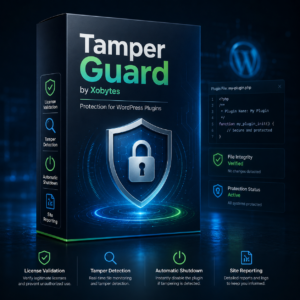
Tamper Guard by XoBytes | WordPress Plugin Tamper Detector
$25.00
Protect your commercial WordPress plugins with license-based tamper detection, file integrity monitoring, automatic shutdown protection, and site reporting.…

Agent Shield by XoBytes | Protect against agentic software
$25.00
AgentShield is a WordPress AI Agent Firewall that helps detect, monitor, block, and temporarily ban AI crawlers, AI…

Plugin Update Server for WordPress by XoBytes.com
$25.00
Plugin Update Server by XoBytes lets WordPress plugin sellers deliver private plugin updates directly to customer dashboards. Upload…
Real-World Case Studies
Understanding how organizations have successfully implemented file integrity monitoring can provide valuable insights. Here are two case studies:
Case Study 1: E-commerce Platform
An e-commerce platform implemented Tamper Guard to monitor its payment processing system. By configuring real-time alerts for any unauthorized changes to payment scripts, they were able to detect and respond to a potential breach within minutes, preventing significant financial loss.
Case Study 2: Educational Institution
A university utilized OSSEC to monitor its web servers hosting sensitive student data. By conducting regular scans and maintaining detailed reports, the IT department successfully identified and rectified vulnerabilities, thereby enhancing the overall security posture of the institution.
Continue with Complete Guide to WooCommerce Software License Management with Key Plugins for additional XoBytes guidance.
Common Challenges in File Integrity Monitoring
While implementing file integrity monitoring tools can significantly enhance your website’s security, there are several challenges that organizations may face:
- False Positives: One of the most common issues with FIM tools is the generation of false alerts. Frequent changes to files, such as updates or user uploads, can trigger unnecessary alerts, leading to alert fatigue.
- Resource Intensive: Continuous monitoring can consume significant system resources, especially for large websites with numerous files. This may slow down server performance if not managed properly.
- Complex Configuration: Some FIM tools may require complex setup and configuration, which can be daunting for users without technical expertise.
Advanced Features to Consider
When evaluating file integrity monitoring tools, consider looking for advanced features that can further enhance security:
- Machine Learning Capabilities: Some modern FIM tools utilize machine learning to adapt to your website’s normal behavior, reducing the likelihood of false positives by learning what constitutes typical file changes.
- Centralized Management: For organizations managing multiple websites, a centralized management dashboard can simplify monitoring and reporting across all sites.
- Integration with Incident Response: Look for tools that can integrate with incident response systems, allowing for automated actions in response to detected threats, such as quarantining affected files.
Implementation Considerations
To ensure a smooth implementation of file integrity monitoring tools, consider the following:
- Conduct a Risk Assessment: Before implementation, perform a risk assessment to identify critical files and potential vulnerabilities. This will help prioritize monitoring efforts.
- Test in a Staging Environment: If possible, test the FIM tool in a staging environment before deploying it on your live site. This allows you to fine-tune settings without affecting your production environment.
- Document Procedures: Create documentation outlining the monitoring procedures, alert responses, and maintenance schedules. This ensures that all team members are on the same page.
Future Trends in File Integrity Monitoring
As cybersecurity threats continue to evolve, file integrity monitoring tools are also adapting. Here are some trends to watch:
- Cloud-Based Solutions: With the increasing adoption of cloud services, many FIM tools are transitioning to cloud-based platforms, offering scalability and ease of access.
- Integration with AI: Artificial intelligence is set to play a significant role in enhancing the effectiveness of FIM tools by improving anomaly detection and reducing false positives.
- Focus on User Behavior Analytics: Future FIM tools may incorporate user behavior analytics to monitor how users interact with files, providing deeper insights into potential security threats.
Frequently Asked Questions
Below are some common questions regarding file integrity monitoring:
What is software integrity testing and why is it important for WordPress sites?
Software integrity testing verifies that files and plugins have not been tampered with, ensuring the security and reliability of your website. It helps prevent unauthorized modifications that could lead to security breaches.
How does Tamper Guard enhance WordPress plugin security?
Tamper Guard monitors plugin files for unauthorized changes, automatically detects tampering, and can shut down compromised plugins to prevent security risks.
What are the best practices for implementing file integrity monitoring on a WordPress site?
Best practices include regularly scanning files, using reputable integrity monitoring tools, setting up alerts for changes, and maintaining up-to-date backups.
Can software integrity tools prevent all types of WordPress security threats?
While they significantly reduce the risk of tampering and unauthorized changes, they should be combined with other security measures like firewalls, strong passwords, and regular updates for comprehensive protection.
By following the guidelines in this complete guide, you can effectively choose the best file integrity monitoring tools for web security. Protecting your website is essential, and implementing these tools will help you maintain a secure online presence.