
WordPress is a popular platform for creating websites, but its popularity also makes it a target for hackers and malicious users. Therefore, understanding how to protect your WordPress site is crucial. One effective way to enhance your security is through software integrity testing. In this article, we will explore how to protect your WordPress site with effective software integrity testing tools, including the importance of file integrity monitoring.
Understanding Software Integrity Testing
Software integrity testing is the process of verifying that your files and plugins have not been altered or tampered with. This is essential for maintaining the security and reliability of your WordPress site. By ensuring that your software is intact, you can prevent unauthorized modifications that could lead to security breaches.
Why is Software Integrity Testing Important?
First, software integrity testing helps to identify any unauthorized changes to your site’s files. This can include changes made by hackers who have gained access to your site or by malicious plugins. Additionally, regular integrity checks can help you maintain compliance with security standards and build trust with your users.
Effective Software Integrity Testing Tools
Several tools are available for software integrity testing. These tools can monitor your files and alert you to any unauthorized changes. Here are some of the most effective options:
- Tamper Guard: This tool offers robust protection for your WordPress plugins. It utilizes license-based tamper detection and can shut down compromised plugins automatically. Learn more about Tamper Guard here.
- Plugin Update Server: This tool allows you to manage private updates for your plugins, ensuring that only authorized users can access them. Check out the Plugin Update Server.
- AI SEO Data & Automatic Blog Writer: While primarily focused on content creation, this tool can also help maintain your site’s integrity by optimizing your SEO strategy. Discover more about this tool here.
How to Select the Right Software Integrity Testing Tools
When choosing software integrity testing tools, consider the following factors:
- Ease of Use: Look for tools that are user-friendly and easy to set up.
- Features: Ensure the tool offers the features you need, such as real-time monitoring and alerts.
- Support: Check if the provider offers reliable customer support.
- Compatibility: Make sure the tool is compatible with your WordPress version and other plugins.
Best Practices for Implementing File Integrity Monitoring
To effectively implement file integrity monitoring on your WordPress site, follow these best practices:
- Regularly scan your files for changes.
- Use reputable integrity monitoring tools.
- Set up alerts for any unauthorized changes.
- Maintain up-to-date backups of your site.
Combining Integrity Monitoring with Other Security Measures
Although software integrity testing is an essential component of website security, it should not be your only line of defense. Therefore, combine it with other security measures, such as:
For a practical companion to this section, explore Top WordPress Help Desk Software Solutions: Best Plugins & SaaS Tools for 2024.
- Using strong passwords and two-factor authentication.
- Implementing firewalls and security plugins.
- Regularly updating your WordPress core, themes, and plugins.
Conclusion
In conclusion, protecting your WordPress site with effective software integrity testing tools is crucial for maintaining its security and reliability. By implementing tools like Tamper Guard and following best practices, you can significantly reduce the risk of unauthorized changes and security breaches. Remember to combine integrity monitoring with other security measures for comprehensive protection.
Understanding the Types of Integrity Testing Tools
When it comes to software integrity testing tools, they can generally be categorized into several types. Understanding these categories can help you choose the right tool for your WordPress site.
- File Integrity Monitoring (FIM) Tools: These tools continuously monitor files for unauthorized changes and alert you when modifications occur. They are essential for real-time protection.
- Change Detection Tools: These tools compare current file states with previous snapshots to detect changes. They are useful for periodic audits.
- Code Review Tools: These tools analyze your codebase for vulnerabilities or inconsistencies, helping you maintain secure coding practices.
- Backup and Restore Tools: While not directly integrity testing tools, they play a vital role in recovery if a breach occurs.
Related XoBytes Products
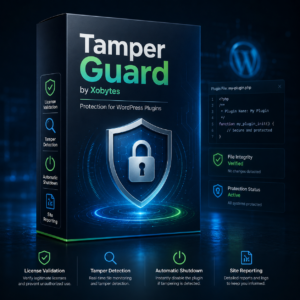
Tamper Guard by XoBytes | WordPress Plugin Tamper Detector
$25.00
Protect your commercial WordPress plugins with license-based tamper detection, file integrity monitoring, automatic shutdown protection, and site reporting.…

Plugin Update Server for WordPress by XoBytes.com
$25.00
Plugin Update Server by XoBytes lets WordPress plugin sellers deliver private plugin updates directly to customer dashboards. Upload…
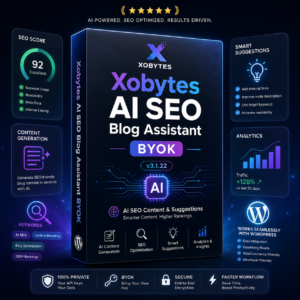
AI SEO Data & Automatic Blog Writer for WordPress by XoBytes
$19.99
Turn your WordPress site, Google Search Console data, and SEO opportunities into smarter blog posts, pages, titles, meta…
Practical Examples of Software Integrity Testing
To illustrate the effectiveness of software integrity testing, consider the following scenarios:
Continue with WordPress Help Desk Software Compared: Plugins, SaaS, and Support Tools for additional XoBytes guidance.
- Scenario 1: A hacker gains access to your WordPress site and modifies a core file to create a backdoor. With a file integrity monitoring tool, you receive an immediate alert about the unauthorized change, allowing you to take action before any damage occurs.
- Scenario 2: You install a new plugin, but it inadvertently introduces vulnerabilities. An integrity testing tool can help you identify any suspicious changes made by the plugin, enabling you to remove it before it compromises your site.
- Scenario 3: During a routine check, you discover that a critical system file has been altered. By using a change detection tool, you can compare the current file against previous versions, helping you pinpoint when and how the change occurred.
Implementing Software Integrity Testing: Step-by-Step Guide
To effectively implement software integrity testing on your WordPress site, follow these steps:
- Step 1: Choose the Right Tool: Research and select a software integrity testing tool that meets your specific needs and is compatible with your WordPress setup.
- Step 2: Install and Configure: Follow the installation instructions provided by the tool. Configure settings for alerts, monitoring frequency, and types of files to monitor.
- Step 3: Establish Baseline: Run an initial scan to establish a baseline of your site’s files. This will serve as a reference point for future comparisons.
- Step 4: Schedule Regular Scans: Set up a schedule for regular scans to ensure ongoing monitoring of your files.
- Step 5: Review Alerts: Regularly check alerts from your integrity testing tool and take immediate action on any unauthorized changes.
- Step 6: Update and Maintain: Keep your integrity testing tool updated and periodically review your monitoring strategy to adapt to new security threats.
Comparing Popular Integrity Testing Tools
To help you make an informed decision, here’s a comparison of some popular software integrity testing tools:
| Tool Name | Key Features | Pricing |
|---|---|---|
| Tamper Guard | License-based tamper detection, automatic shutdown of compromised plugins | Subscription-based |
| Wordfence | Real-time monitoring, firewall, and malware scanning | Free & Premium plans available |
| Sucuri | Website firewall, malware removal, integrity monitoring | Subscription-based |
| iThemes Security | File change detection, brute force protection, security checks | Free & Premium plans available |
Decision Criteria for Selecting Integrity Testing Tools
When evaluating software integrity testing tools, consider the following criteria:
- Cost: Assess whether the pricing fits your budget, considering both initial costs and ongoing subscription fees.
- Ease of Integration: Ensure the tool can be easily integrated into your existing WordPress setup without causing conflicts.
- User Reviews: Look for user feedback and reviews to gauge the effectiveness and reliability of the tool.
- Support and Documentation: Check if the provider offers comprehensive support and documentation to assist you in troubleshooting issues.
Frequently Asked Questions
Here are some common questions about software integrity testing:
- What is software integrity testing and why is it important for WordPress sites?
- How does Tamper Guard enhance WordPress plugin security?
- What are the best practices for implementing file integrity monitoring on a WordPress site?
- Can software integrity tools prevent all types of WordPress security threats?
Software integrity testing verifies that files and plugins have not been tampered with, ensuring the security and reliability of your website. It helps prevent unauthorized modifications that could lead to security breaches.
Tamper Guard monitors plugin files for unauthorized changes, automatically detects tampering, and can shut down compromised plugins to prevent security risks.
Best practices include regularly scanning files, using reputable integrity monitoring tools, setting up alerts for changes, and maintaining up-to-date backups.
While they significantly reduce the risk of tampering and unauthorized changes, they should be combined with other security measures like firewalls, strong passwords, and regular updates for comprehensive protection.