
In an increasingly digital world, AI token management plays a vital role in enhancing data security and optimizing workflows. Organizations are constantly seeking ways to protect sensitive information while improving operational efficiency. Therefore, understanding how AI token management can enhance data security and streamline processes is essential for any business.
What is AI Token Management?
AI token management refers to the systematic approach to handling digital tokens used in various AI applications. These tokens serve as keys for authentication, data access, and resource allocation within AI systems. Consequently, effective management of these tokens is crucial for maintaining security and operational efficiency.
Moreover, AI token management ensures that tokens are generated, stored, and validated securely. This process reduces the risk of unauthorized access and potential data breaches, making it an essential component of any organization’s security strategy.
Importance of Data Security in AI
Data security is paramount for businesses that rely on AI technologies. With increasing cyber threats, organizations must prioritize protecting sensitive data. Here are some reasons why data security is critical:
For useful background on this topic, see Understanding AI Token Management: Strategies for Business Efficiency.
- Protection of Sensitive Information: Organizations handle vast amounts of sensitive data, including customer information and proprietary algorithms. Ensuring data security safeguards this information from unauthorized access.
- Regulatory Compliance: Many industries are subject to strict data protection regulations. Failing to comply can lead to severe penalties.
- Maintaining Trust: Customers expect their data to be handled securely. A breach can damage an organization’s reputation and erode customer trust.
Because of this, implementing robust AI token management practices is essential to enhance data security.
How AI Token Management Enhances Data Security
AI token management enhances data security through several key practices:
- Secure Token Generation: Tokens should be generated using cryptographic algorithms to ensure their uniqueness and security.
- Token Storage: Secure storage solutions, such as hardware security modules (HSMs), should be used to protect tokens from unauthorized access.
- Regular Validation: Tokens must be validated regularly to ensure they are still valid and have not been compromised.
- Access Control: Implementing strict access controls ensures that only authorized personnel can access sensitive tokens.
In addition, by following these best practices, organizations can significantly reduce their vulnerability to cyber threats.
Workflow Optimization Through AI Token Management
Beyond enhancing data security, AI token management also contributes to workflow optimization. Here are some ways it can streamline processes:
- Automated Token Lifecycle Management: Automating the lifecycle of tokens—from creation to expiration—reduces manual errors and saves time.
- Integration with Existing Systems: Many AI token management solutions seamlessly integrate with existing enterprise systems, ensuring smooth operations.
- Improved Resource Allocation: By managing tokens efficiently, organizations can allocate resources more effectively, improving overall productivity.
Therefore, adopting AI token management solutions can lead to significant improvements in both security and operational efficiency.
Best Practices for Implementing AI Token Management
To successfully implement AI token management, consider the following best practices:
For a practical companion to this section, explore Comprehensive Guide to AI Token Management: Best Practices and Tools.
- Conduct a Risk Assessment: Identify potential vulnerabilities in your current token management system.
- Choose the Right Tools: Select AI token management tools that align with your organization’s needs and scale.
- Train Employees: Ensure that employees understand the importance of token management and follow established protocols.
- Monitor and Audit: Regularly monitor token usage and conduct audits to ensure compliance with security policies.
By following these best practices, organizations can optimize their AI token management processes, enhancing both security and workflow.
Conclusion
In conclusion, AI token management is a critical component of any organization’s data security strategy. By ensuring secure token generation, storage, and management, businesses can protect sensitive information while optimizing workflows. As a result, investing in AI token management solutions is not just beneficial but essential for modern organizations.
Related XoBytes Products
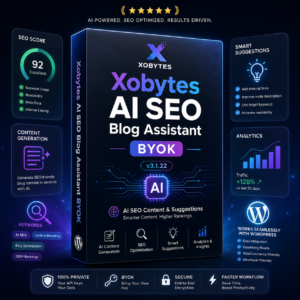
AI SEO Data & Automatic Blog Writer for WordPress by XoBytes
$19.99
Turn your WordPress site, Google Search Console data, and SEO opportunities into smarter blog posts, pages, titles, meta…

Agentic Consultant, Product Rep, & Customer Service Agent By XoBytes.com
$19.99
Agentic Consultant for WordPress gives your website a smart AI product rep, customer service agent, and hands-free voice…

Agentic Construction Theme | More than just a theme | Built for all trades
$49.99
Why You Need This Theme And Plugin! Click here for the Demo Agentic Construction Theme by XoBytes is…
Real-World Applications of AI Token Management
AI token management is not just a theoretical concept; it has practical applications across various industries. Here are some examples of how organizations are leveraging AI token management to enhance data security and improve workflows:
Financial Services
In the financial sector, AI token management is crucial for securing transactions and protecting sensitive customer information. For instance, banks utilize tokenization to replace sensitive card details with unique tokens during online transactions. This approach minimizes the risk of data breaches and fraud.
Healthcare
Healthcare organizations handle vast amounts of sensitive patient data. By implementing AI token management, these entities can ensure that patient records are only accessible to authorized personnel. For example, a hospital might use tokens to grant access to electronic health records, thereby enhancing patient privacy and regulatory compliance.
Continue with Understanding Custom Data: Unlock Tailored Business Software Solutions for additional XoBytes guidance.
E-commerce
E-commerce platforms often face threats related to payment fraud and data breaches. By employing AI token management, these businesses can tokenize payment information, ensuring that sensitive data is not stored in its original form. This practice not only protects customer data but also builds trust with consumers.
Comparative Analysis: Traditional vs. AI-Driven Token Management
Understanding the differences between traditional token management and AI-driven approaches can help organizations make informed decisions. Here’s a comparative analysis:
| Aspect | Traditional Token Management | AI-Driven Token Management |
|---|---|---|
| Token Generation | Manual processes, often prone to errors | Automated, using advanced cryptographic algorithms |
| Validation | Periodic checks, often reactive | Continuous monitoring with real-time alerts |
| Integration | Limited integration capabilities | Seamless integration with existing systems and APIs |
| Scalability | Challenging to scale with growing data | Designed for scalability, adapting to organizational growth |
Implementation Steps for Effective AI Token Management
Successfully implementing AI token management requires a structured approach. Here are key steps organizations should follow:
- Assess Current Systems: Evaluate existing token management processes and identify areas for improvement.
- Select Appropriate Tools: Research and choose AI token management solutions that align with your organization’s needs.
- Develop a Token Management Policy: Establish clear policies regarding token generation, storage, and access control.
- Train Staff: Conduct training sessions for employees to ensure they understand the importance of token management and the tools being implemented.
- Monitor and Optimize: Regularly review the token management processes and make adjustments as necessary to enhance security and efficiency.
Decision Criteria for Choosing AI Token Management Solutions
When selecting an AI token management solution, consider the following criteria:
- Security Features: Look for solutions that offer robust security measures, such as encryption and multi-factor authentication.
- Scalability: Ensure the solution can grow with your organization’s needs and handle increasing data volumes.
- Integration Capabilities: Choose solutions that easily integrate with your existing systems and workflows.
- User Experience: The solution should be user-friendly, allowing employees to manage tokens efficiently without extensive training.
- Support and Maintenance: Evaluate the vendor’s support services, including training and ongoing maintenance options.
Frequently Asked Questions
Here are some frequently asked questions about AI token management:
- What is AI token management and why is it important?
AI token management involves the secure and efficient handling of digital tokens used in AI systems for authentication, data access, and resource allocation. It is crucial for maintaining security, compliance, and operational efficiency. - How does AI token management improve data security?
Effective AI token management ensures that tokens are securely generated, stored, and validated, reducing the risk of unauthorized access and data breaches. - What are common tools or solutions for AI token management?
Popular solutions include specialized API management platforms, identity and access management systems, and integrated AI management tools that streamline token lifecycle handling. - Can AI token management be integrated with existing enterprise systems?
Yes, most AI token management solutions are designed to integrate with current enterprise infrastructure, APIs, and security protocols to ensure seamless operation.